
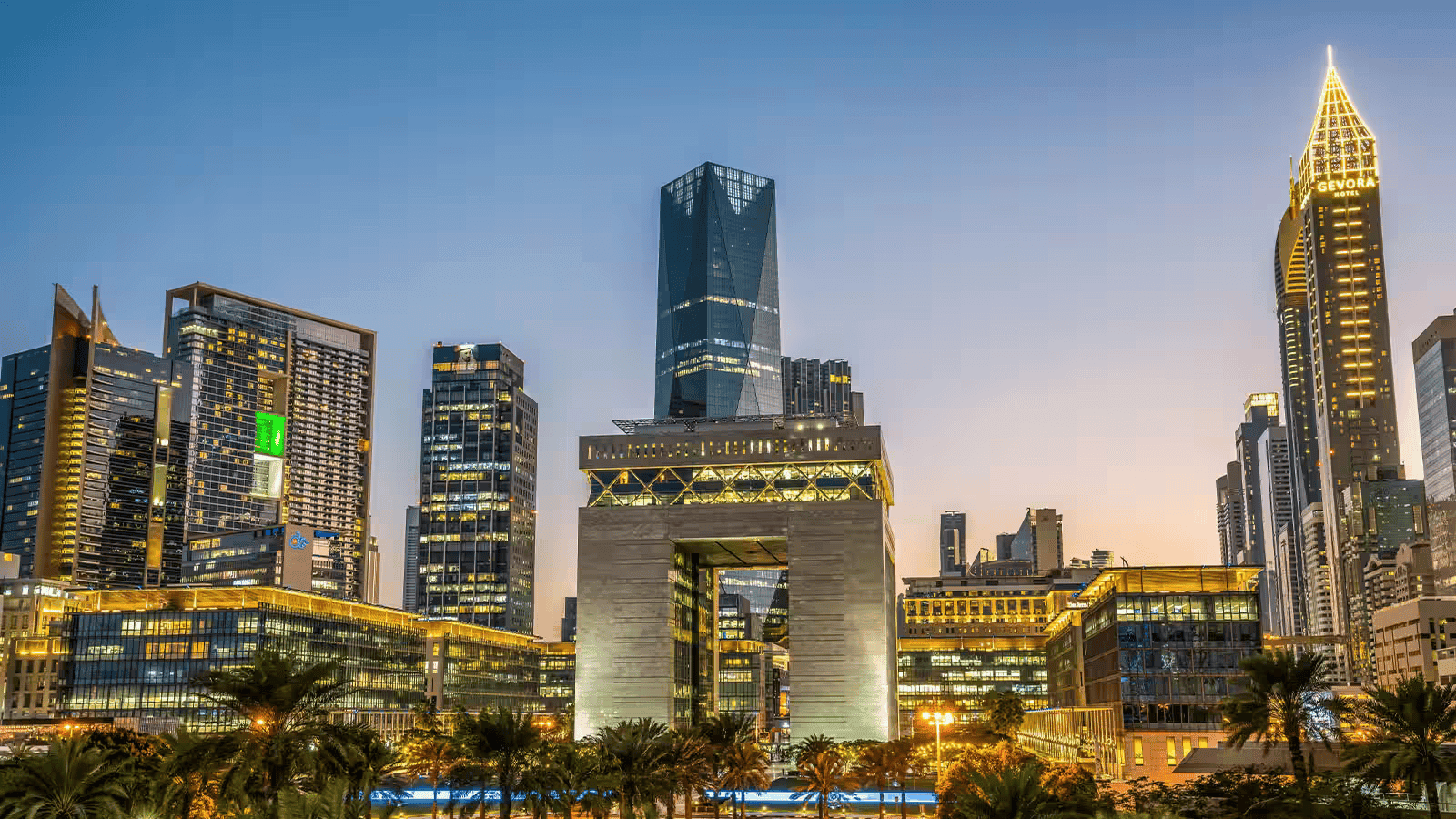
Global alternative assets have surpassed $20 trillion, positioning Dubai as a leading hub for high-growth investments, according to the latest edition of The Future of Alternative Investments by the Dubai International Financial Centre (DIFC).
Once viewed as a niche segment, alternative investments have entered the financial mainstream, drawing institutional investors, family offices, and high-net-worth individuals. These investors are increasingly seeking diversification, inflation protection, and returns uncorrelated to traditional markets.
Alternative Investments Drive Growth in Emerging Economies
Key asset classes — including private equity, private credit, real estate, infrastructure, hedge funds, and digital assets — are gaining traction, particularly across emerging markets. The report highlights that emerging economies are now the growth engines of the alternatives industry, with GDP expanding two to three per cent faster than in developed nations.
Rapid population growth and technological innovation continue to propel the sector forward. In Dubai, areas such as artificial intelligence (AI), sustainable infrastructure, and digital assets are reshaping the investment landscape. As regulatory frameworks evolve, cryptocurrency and tokenisation are moving into the mainstream, while sustainability-linked projects are creating new opportunities in infrastructure development.
DIFC’s Expanding Ecosystem
DIFC offers the transparency and protections of developed markets while providing direct access to emerging-market growth. It now hosts over 440 wealth and asset management firms, including 85 hedge funds, 69 of which manage assets exceeding $1 billion each. This makes it the region’s largest cluster of alternative investment and asset management companies.
The centre’s Special Purpose Vehicles (SPVs) and dedicated family-office frameworks support complex cross-border structures. Meanwhile, the DIFC Funds Centre provides tailored office spaces, collaborative environments, and advanced digital infrastructure, enabling fund managers to scale efficiently.
Salmaan Jaffery, Chief Business Development Officer at DIFC Authority, said:
“Emerging markets are a compelling frontier for alternative investments, backed by growing infrastructure needs, adoption of digital assets, and evolving innovation and sustainability agendas.
Dubai, specifically, has positioned itself as a strategic gateway for investors seeking to capitalise on the next era of growth.
Against this backdrop, DIFC is shaping the future of the alternative investments industry by offering legal, regulatory and operational clarity, and access to high-growth opportunities in emerging sectors and regional economies.”
