
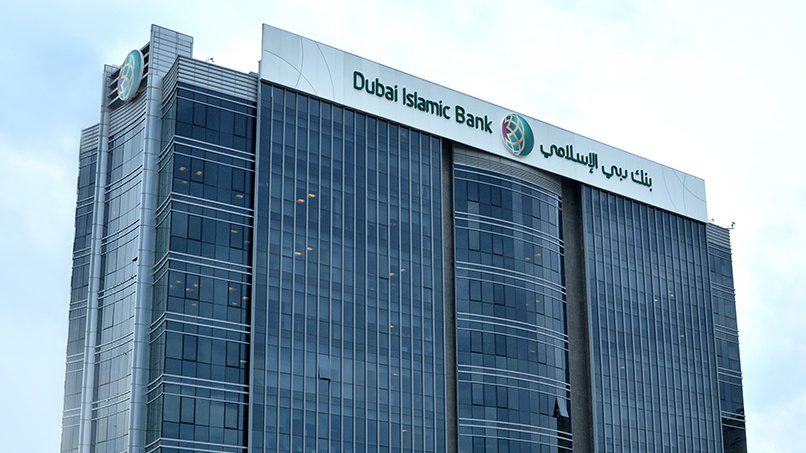
Dubai Islamic Bank (DIB) reported a net profit after tax of AED 1.799 billion in the first quarter of 2026, broadly flat compared to AED 1.798 billion in the same period of 2025.
Net profit before tax reached AED 2.126 billion, reflecting a 1 percent year-on-year increase. Meanwhile, operating revenues rose 13 percent to AED 3.548 billion, while operating profit increased 12 percent to AED 2.546 billion.
Total assets climbed to approximately AED 419.916 billion by the end of March 2026. Additionally, customer deposits reached AED 322 billion, reflecting 1 percent growth since the beginning of the year. The bank also maintained strong capital buffers, with a Common Equity Tier 1 ratio of 12.6 percent. Moreover, the capital adequacy ratio stood at 15.8 percent, remaining above regulatory requirements.
Income Growth and Liquidity Position
Funded income increased 5 percent year-on-year to AED 2.3 billion. Additionally, non-funded income rose 30 percent to AED 1.249 billion, reflecting a more diversified revenue base.
Liquidity levels also remained solid, with the liquidity coverage ratio at 121 percent. Furthermore, the net stable funding ratio reached 106 percent, keeping both metrics comfortably above regulatory thresholds.
Management Commentary and Balance Sheet Expansion
Mohammed Ibrahim Al Shaibani, Director-General of His Highness The Ruler’s Court of Dubai and Chairman of Dubai Islamic Bank, stated that the first-quarter results reflect the strength of the UAE economy. He noted the bank’s performance embodies scale, discipline and strategic consistency, with net financing assets and sukuk investments reaching AED 364 billion. He affirmed the bank’s ongoing role as a leading financial institution supporting the real economy through strong governance.
Dr. Adnan Chilwan, Group Chief Executive Officer, said the bank began 2026 with strong momentum. He highlighted the increasing balance in the income structure, noting that the growth in both funded and non-funded income reflects an expanded business scope and overall diversification.
