
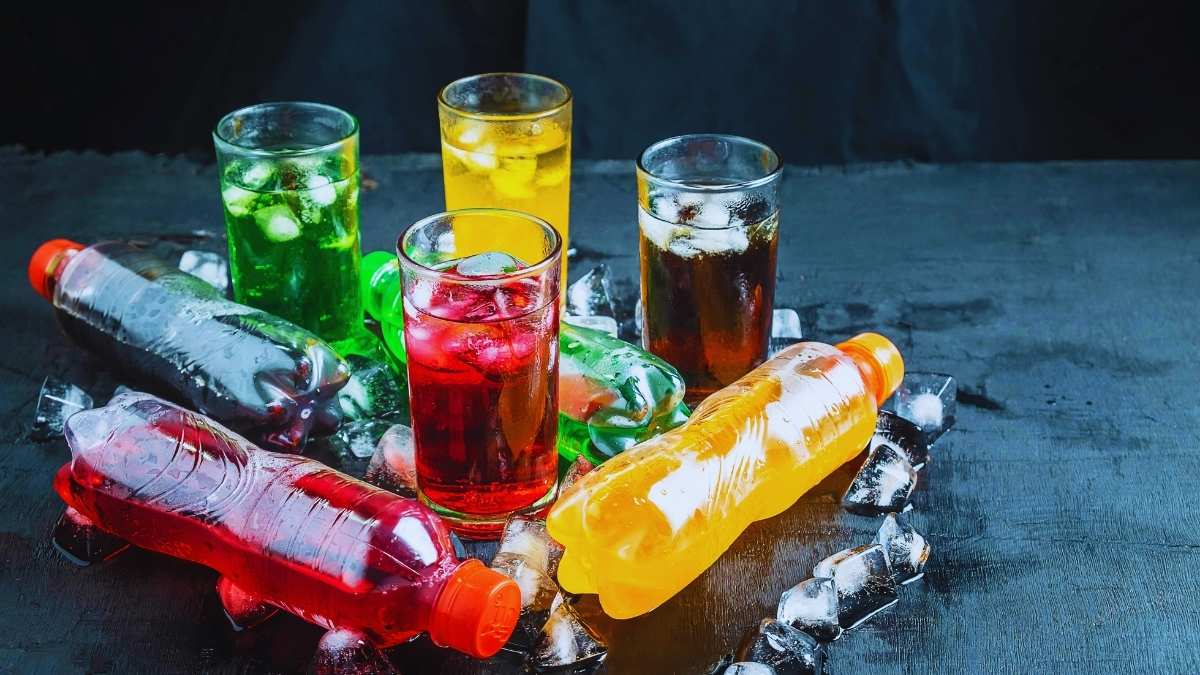
Starting 1 January 2026, the UAE will implement a new mechanism for calculating Excise Tax on sweetened drinks under a tiered-volumetric model, linking tax per litre directly to sugar and sweetener content. The change follows Cabinet Decision No. 197 of 2025 and the latest amendments to Federal Decree-Law No. 7 of 2025 on Excise Tax.
Under the revised framework, tax will be calculated based on the total quantity of sugar and other sweeteners per 100 ml. Therefore, the fixed-rate model currently applied to sweetened drinks will be replaced by a structure designed to incentivise lower sugar consumption.
Public health focus and early implementation steps
The Federal Tax Authority (FTA) said the decision supports national efforts to promote a healthier society by reducing consumption of harmful products. Moreover, it aligns with broader strategies to limit the impact of non-communicable diseases linked to dietary habits.
As part of early preparations, the FTA has launched a new registration service on the EmaraTax platform for sweetened drinks under the tiered-volumetric model. Additionally, the service uses artificial intelligence to improve speed, accuracy, and customer experience.
From 1 January 2026, all producers, importers, and stockpilers must obtain an Emirates Conformity Certificate for sugar and sweetener content through the Ministry of Industry and Advanced Technology. Once issued, the certificate must be submitted during registration or updates on EmaraTax.
However, if the certificate is not provided, beverages will be temporarily classified as high-sugar sweetened drinks until laboratory evidence confirms otherwise. As a result, higher tax rates may apply by default.
Scope of application and product classification
Excise Tax will apply to sweetened drinks containing added sugar or other sweeteners, including concentrates, powders, gels, and extracts. However, beverages containing only natural sugar with no added sweeteners will remain exempt.
For non-ready-to-drink products, manufacturers must disclose sugar content and total servings based on preparation instructions. Otherwise, product registration may be suspended, affecting import and distribution processes.
Carbonated drinks will no longer be treated as a separate excise category. Instead, their tax treatment will depend on sugar content. Energy drinks, however, will continue to attract Excise Tax at 100% of the excise price and will remain outside the tiered-volumetric model.
Excise Tax tiers under the new model
Under the revised framework, sweetened drinks will fall into four categories:
High-sugar sweetened drinks, containing 8 grams or more of total sugar and sweeteners per 100 ml, will be taxed at AED1.09 per litre.
Moderate-sugar sweetened drinks, containing between 5 and less than 8 grams per 100 ml, will be taxed at AED0.79 per litre.
Low-sugar sweetened drinks, containing less than 5 grams per 100 ml, will be subject to zero excise tax.
Artificially sweetened drinks, containing only artificial sweeteners or less than 5 grams of sugar per 100 ml, will also attract zero excise tax.
The FTA has confirmed that detailed guidance, legislation, and public clarifications remain available through its official channels to support a smooth transition ahead of the 2026 rollout.
