
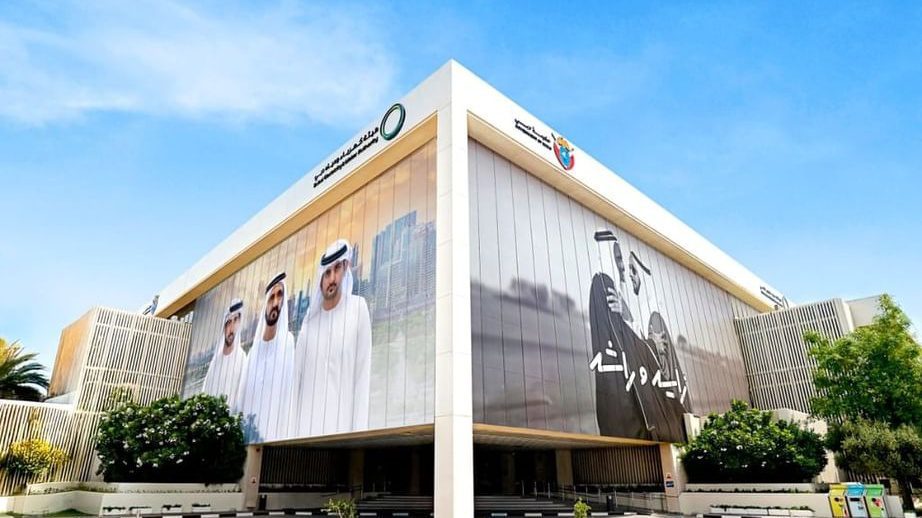
Dubai Electricity and Water Authority (DEWA) has dramatically shortened the processing time for security deposit refunds, reducing it to just eight minutes from the earlier four-day timeframe under manual systems.
This significant improvement has been achieved through the integration of artificial intelligence and automation. The enhanced system can process refunds of up to AED 4,000 and is capable of handling nearly 90 per cent of total refund requests.
Earlier, DEWA had already improved efficiency by cutting the processing time from four days to 30 minutes. The latest upgrade further streamlines the process, bringing it down to just eight minutes through a more advanced digital infrastructure.
The system uses a secure verification process to transfer refunds directly to customers’ bank accounts via IBAN, ensuring both accuracy and speed while maintaining reliability.
This initiative supports the UAE’s broader vision of adopting AI-driven government services, where a large share of public services is delivered through intelligent and automated systems.
Saeed Mohammed Al Tayer, MD and CEO of DEWA, stated that the system operates around the clock without being limited by official working hours, ensuring continuous and efficient service delivery.
He added that the shift from days to minutes reflects DEWA’s commitment to providing a seamless, customer-focused digital experience that consistently exceeds expectations.
Automating the refund process also enhances operational efficiency by minimising manual involvement, allowing teams to focus on innovation and service improvement.
The initiative is part of DEWA’s broader strategy to embed artificial intelligence across its operations and digital ecosystem, supporting Dubai’s wider digital transformation ambitions.
DEWA’s customer base continues to grow, surpassing 1.34 million accounts by the end of March 2026, reflecting steady expansion compared to the previous year.
Digital adoption has also increased significantly, with over 3.7 million digital transactions recorded in the first quarter of 2026, underscoring the rising use of smart services.
