
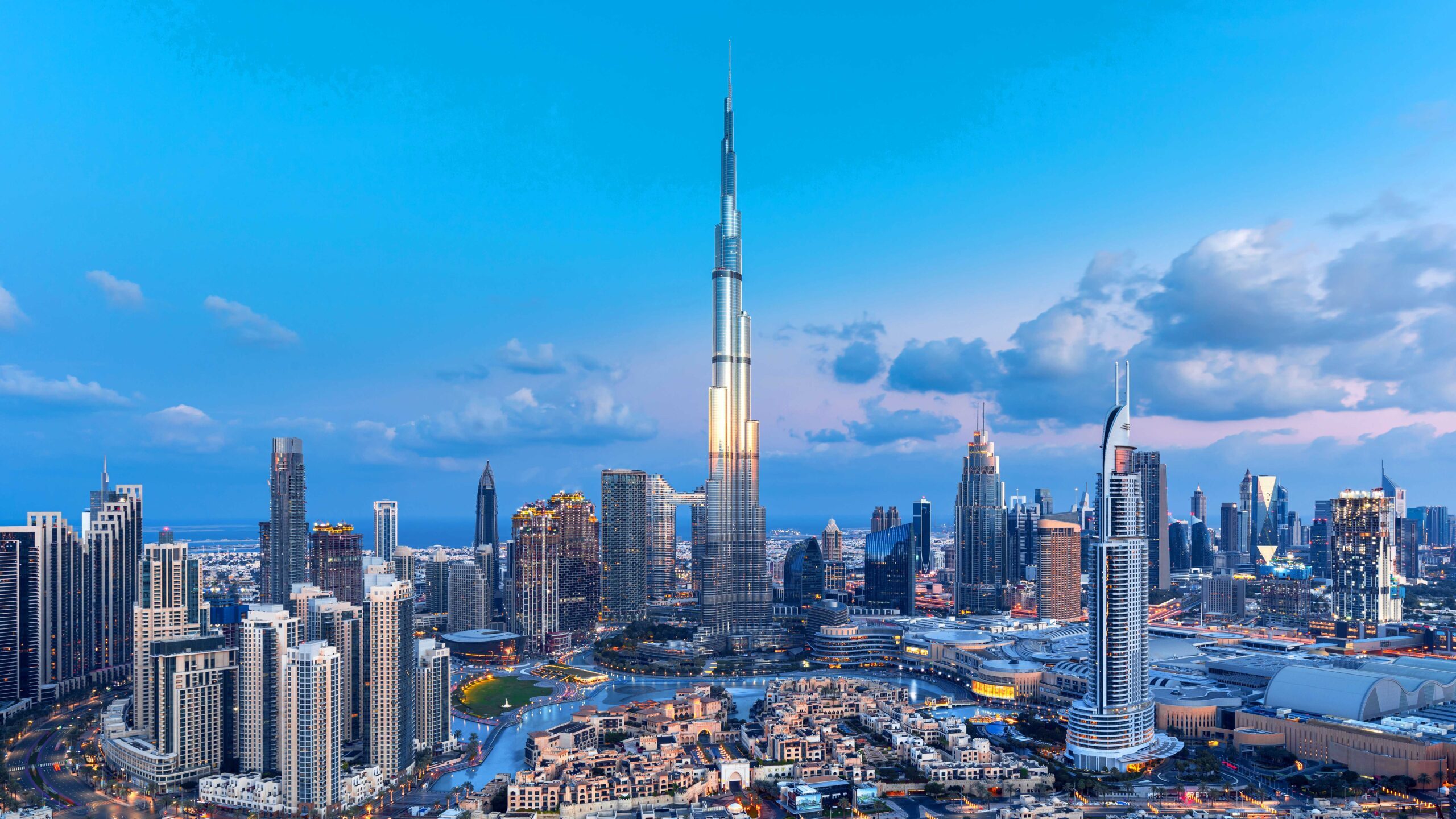
Dubai is transforming its road network by adopting a forward-looking, proactive management approach driven by artificial intelligence and big data analytics.
This cohesive strategy has positioned the emirate among global leaders in road quality, achieving a performance score of 96.65% while advancing its ambitions for sustainable mobility and improved quality of life.
At the core of this transformation are advanced technologies that assess road conditions without disrupting traffic flow. These include laser-enabled crack detection systems and specialised instruments used to measure the International Roughness Index (IRI). The collected data is integrated into the Pavement Management System (PMS), which analyses real-time inputs to develop accurate and preventive maintenance plans.
The integration of these technologies has elevated infrastructure standards, enhanced safety, and improved operational efficiency. Early detection of road damage allows timely intervention, preventing further deterioration. This has led to smoother driving experiences, reduced vibrations, and lower risks associated with surface wear, ultimately improving traffic flow and raising the driving comfort index to 89%.
The framework is supported by the 5Vs of big data, enabling smarter asset management. Authorities can forecast deterioration trends, prioritise essential repairs, and establish robust maintenance strategies for both the short and long term. This data-led approach enhances decision-making and preserves the longevity of infrastructure assets.
In parallel, the “iTraffic” system optimises traffic management by leveraging real-time data and predictive analytics. This AI-driven platform enables swift responses to congestion, offering live solutions through smart signage to maintain efficient mobility across the emirate.
Proactive asset management is further strengthened through LiDAR technology, which has enabled the development of a highly precise infrastructure database. This advancement has streamlined maintenance planning, reduced operational and emergency expenditures, and contributed to a 95% rating in the road asset quality index.
These outcomes highlight how the integration of intelligent technologies and big data has become central to modern road management. By prioritising efficiency, sustainability, and safety, Dubai continues to strengthen its standing as a global benchmark in infrastructure quality and smart urban mobility.
