
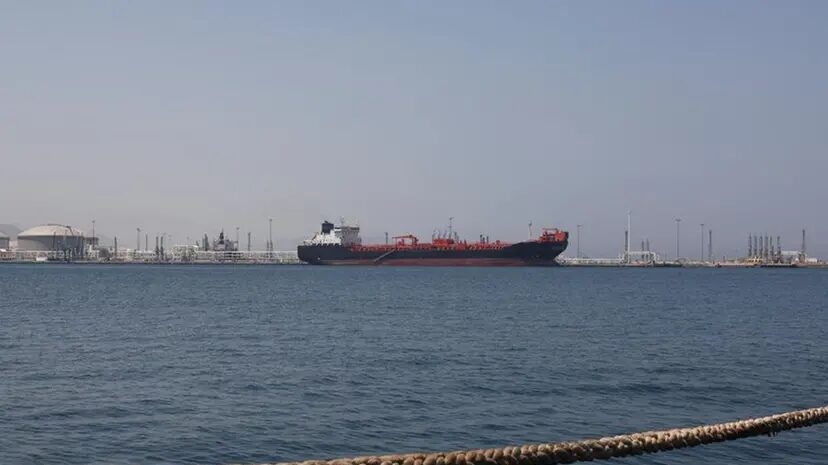
The UAE will accelerate construction of a new oil pipeline to double export capacity through Fujairah by 2027, according to an official announcement. Moreover, the move aims to significantly enhance the country’s ability to bypass the Strait of Hormuz. Additionally, the West-East Pipeline project has been directed for fast-tracking following an executive committee meeting.
Abu Dhabi’s leadership has instructed the national oil company to expedite the project. Therefore, construction is already underway and is expected to be operational in 2027. However, the original project timeline was not disclosed in the statement.
Furthermore, the initiative comes amid heightened geopolitical tensions that have disrupted energy flows through the Strait of Hormuz. As a result, global oil prices have surged, while several economies have faced inflationary pressure and supply constraints. Additionally, concerns over economic stability have intensified due to broader regional conflict dynamics.
Strategic Shift to Strengthen Energy Security and Export Flexibility
The existing Abu Dhabi crude pipeline system currently supports significant export capacity through the Gulf of Oman. Moreover, the new pipeline is expected to build on this infrastructure to enhance redundancy and export resilience. Additionally, the UAE and Saudi Arabia remain the only Gulf producers with pipeline routes that bypass the Strait of Hormuz.
However, several regional producers remain highly dependent on the strait for crude shipments. Therefore, the new infrastructure is expected to materially shift export routing flexibility in the region. Furthermore, Fujairah continues to serve as a critical logistics and export hub for energy and non-oil trade.
The project also aligns with broader strategic adjustments in regional energy policy. As a result, producers are increasingly prioritising infrastructure that reduces exposure to maritime chokepoints. Additionally, recent disruptions have reinforced the importance of diversified export corridors.
Broader Energy Realignment Amid Output Expansion Plans
The announcement follows a period of significant change in regional energy strategy. Moreover, it coincides with broader efforts to expand production capacity and strengthen downstream logistics. Additionally, industry participants have highlighted readiness to support accelerated output expansion when required.
The UAE has previously indicated potential capacity increases in crude production under specific market conditions. Therefore, infrastructure expansion remains closely tied to long-term export and output strategy. However, actual production levels continue to be influenced by operational and geopolitical factors.
Furthermore, recent developments in regional energy markets have led to heightened volatility in prices and supply routes. As a result, governments and producers are increasingly prioritising infrastructure resilience and strategic flexibility. Additionally, the new pipeline is positioned as a key component of that evolving energy framework.
