
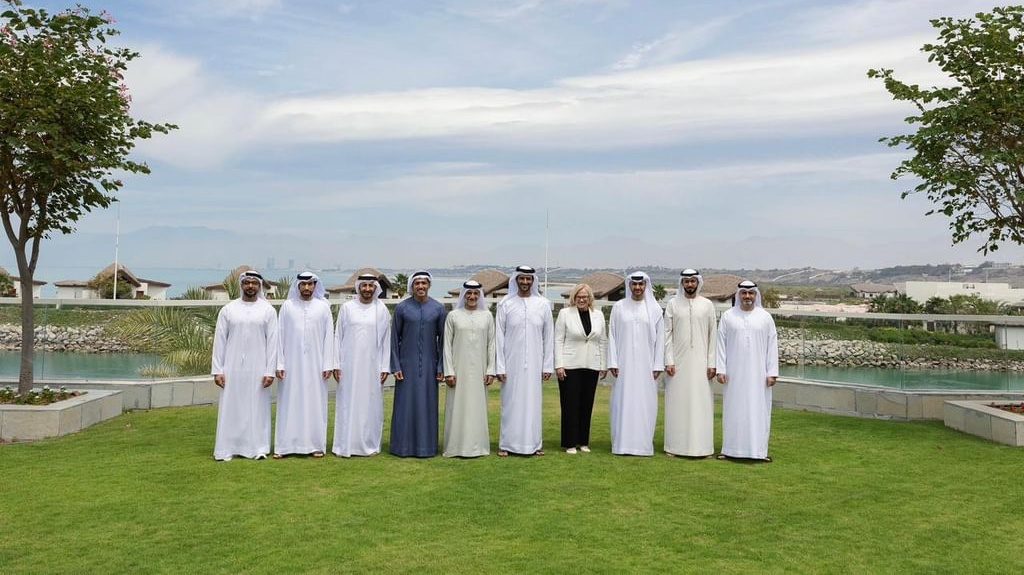
Abdulla bin Touq Al Marri, Minister of Economy and Tourism, said the UAE has strengthened its position as a resilient global model in tourism management by delivering an exceptional visitor experience supported by proactiveness, high readiness and rapid crisis response. Moreover, he said the country has demonstrated its ability to protect tourism gains, ensure sector sustainability, and enhance competitiveness.
His comments came during the second meeting of the Emirates Tourism Council 2026, held in Ras Al Khaimah under his chairmanship and attended by heads and directors-general of local tourism authorities. Additionally, the meeting reviewed new action plans aimed at accelerating tourism recovery and supporting long-term growth amid current regional conditions affecting travel demand.
Bin Touq highlighted the sector’s strong performance in 2025, with hotel establishments recording around 32.34 million guests, the highest annual total on record. Furthermore, this compares with 30.75 million guests in 2024, representing growth of 5.2%.
Total hotel nights exceeded 110.62 million, rising from 104.45 million the previous year. As a result, hotel nights increased by around 5.9%.
He added that hotel revenues rose 9.7% to approximately AED49.21bn in 2025 compared to 2024. Moreover, occupancy reached 79.3%, while the number of hotel rooms stood at 217,000 by the end of 2025.
Tourism sector supports national competitiveness
Bin Touq said the results highlight tourism’s growing role in supporting the national economy and strengthening the UAE’s competitive position regionally and globally. Additionally, he said the figures provide strong momentum for continued efforts to drive sustainable sector growth.
The council also reviewed measures taken by the Ministry of Economy and Tourism and local tourism departments since the onset of the current crisis. Furthermore, these actions have supported visitor safety and helped ensure a seamless travel experience across the country.
Officials also expanded accommodation options and enhanced integrated logistical support services. Moreover, the initiatives strengthened institutional coordination among relevant entities to ensure rapid response to any emerging developments affecting the tourism sector.
