
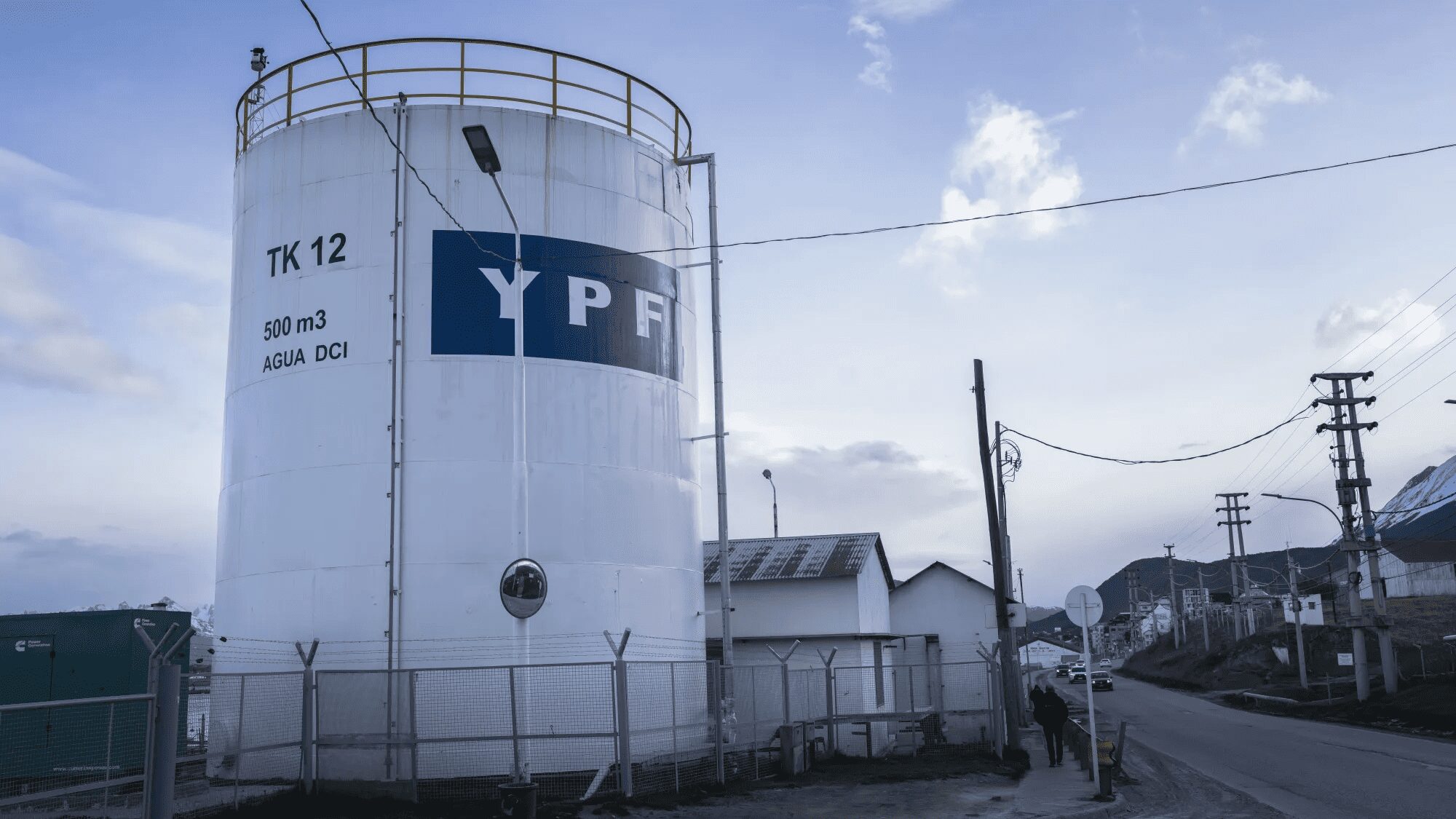
Abu Dhabi-based XRG is reportedly holding preliminary discussions to invest in a major liquefied natural gas (LNG) project being developed in Argentina’s Vaca Muerta shale basin. The large-scale initiative, led by Argentina’s national oil company YPF SA, aims to position the country as a global LNG exporter capable of producing up to 28 million tons of LNG annually.
Exploring Global LNG Opportunities
According to people familiar with the matter, XRG is evaluating a potential stake in the project as part of its broader strategy to expand across Latin America, the US, and Asia. The company, formed last year, focuses on natural gas, chemicals, and investments in lower-carbon energy. Although talks remain early, the move could mark XRG’s latest step toward strengthening its presence in the global LNG supply chain.
Recently, XRG decided not to proceed with its US$18.7 billion bid for Santos, one of Australia’s major gas producers. Instead, it has shifted attention toward strategic investments that align with its long-term vision for energy transition and diversified growth.
Strategic Positioning in Global Energy Markets
The Vaca Muerta LNG project involves building multiple floating liquefaction vessels to process Argentina’s vast gas reserves. Companies such as Shell and Eni are collaborating with YPF on the initiative, though final investment decisions have yet to be confirmed.
Beyond Latin America, XRG already holds a stake in NextDecade’s Rio Grande LNG project in South Texas. It is also in the process of completing a US$17 billion acquisition of Germany’s Covestro AG, underscoring its commitment to high-value assets in the gas and chemicals sectors.
In March, YPF CEO Horacio Marin met with ADNOC CEO Sultan Al Jaber during an energy summit in Houston. Marin is expected to visit Abu Dhabi next week to attend ADIPEC, where discussions on regional partnerships are anticipated to continue.
If finalized, this potential investment would further strengthen XRG’s role in shaping global LNG development and highlight Abu Dhabi’s growing influence in the energy transition landscape.
