
The UAE is accelerating its shift toward AI-driven governance, with plans to transform 50% of government sectors, services, and operations within two years through advanced “Agentic AI” systems.
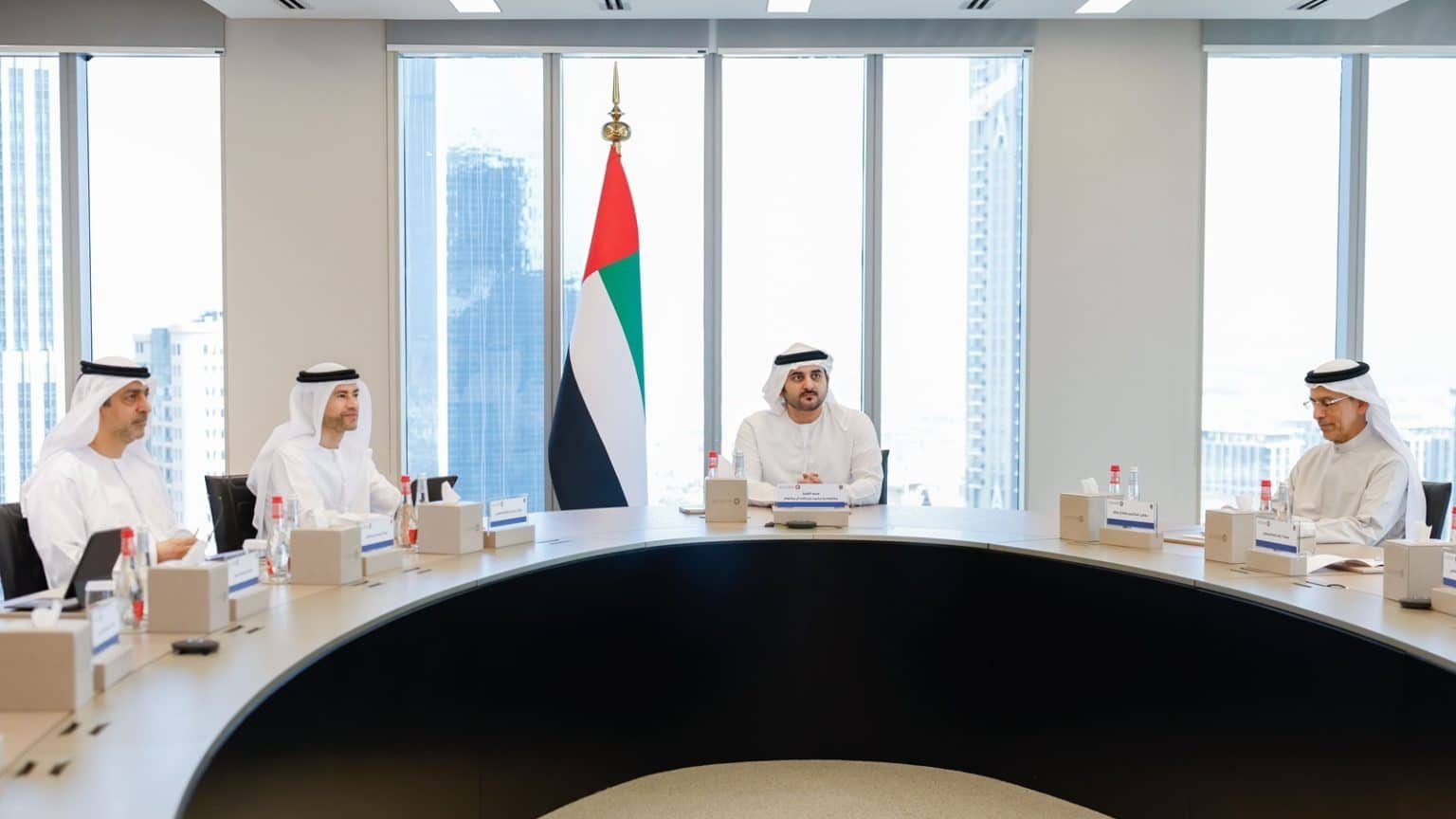
Sheikh Maktoum bin Mohammed bin Rashid Al Maktoum, First Deputy Ruler of Dubai, Deputy Prime Minister, Minister of Finance, and Chairman of the Board of Directors of the Federal Tax Authority (FTA), chaired a board meeting where the initiative was reviewed alongside wider developments in the tax system. During the meeting, he directed the FTA to begin preparations under the UAE Government’s new framework to deploy self-executing and self-leading AI models across government operations.
The directive aligns with the vision of President Sheikh Mohamed bin Zayed Al Nahyan, as announced by Sheikh Mohammed bin Rashid Al Maktoum, Vice President, Prime Minister and Ruler of Dubai. Moreover, it aims to drive improvements in government efficiency, service quality, and transaction speed.
Sheikh Maktoum said the initiative represents a fundamental shift in how government services are designed and delivered.
AI Strategy to Reshape Government Operations
He said: “The directives of His Highness Sheikh Mohamed bin Zayed Al Nahyan and His Highness Sheikh Mohammed bin Rashid Al Maktoum represent a defining milestone in our transition from digitising services to the era of autonomous systems. By integrating AI models into the core of government operations, we are creating a proactive ecosystem capable of making highly accurate decisions with unprecedented speed across all aspects of financial management.
“Our new plans aim to transform FTA’s operational processes through the lens of smart sustainability. This approach empowers national talent to focus on strategic planning, oversight, and innovation.
“The government framework we have adopted ensures the sustainability of the UAE’s financial performance while strengthening the resilience and competitiveness of our national economy against global shifts.”
Tax System Performance and Registrant Growth
The meeting also reviewed a report on the FTA’s projects, achievements, and future plans. Additionally, the report highlighted continued growth across key services and transaction volumes.
VAT refund applications approved for UAE nationals building new residences reached AED 128 million during February and March 2026. This compares with AED 103 million in the same period of 2025, reflecting a 24% increase.
The FTA’s registrant base also continued to expand. Moreover, Corporate Tax registrants reached 743,000, while Value Added Tax registrants totalled 587,000. Excise Tax registrants stood at 1,787, and registered tax agents reached 936.
Sheikh Maktoum commended the authority’s performance, particularly in the tax refund service for newly constructed citizen housing. Furthermore, he reaffirmed that improving the quality of life for Emiratis remains central to government development priorities.
Digital Projects and Compliance Enhancements
The board reviewed progress on major digital initiatives, including the Top-up Tax project under Pillar Two. Additionally, it examined the rollout of the e-invoicing system, developed jointly by the Ministry of Finance and the FTA.
The e-invoicing project aims to strengthen tax compliance through secure and efficient mechanisms. Moreover, it seeks to improve customer experience and streamline reporting processes.
Further updates covered the integrated tax system and ongoing electronic integration between FTA systems and relevant entities. As a result, the authority aims to enhance compliance efficiency and reduce processing timelines.
Performance indicators for the EmaraTax platform were also reviewed, reflecting strong transaction volumes across registrations, tax returns, refund requests, and payments processed through the Magnati payment gateway and GIBAN.
The report additionally outlined progress on the Digital Tax Stamps system for tobacco and tobacco products. Moreover, it highlighted the implementation of the initiative’s first and second phases in the UAE.
