
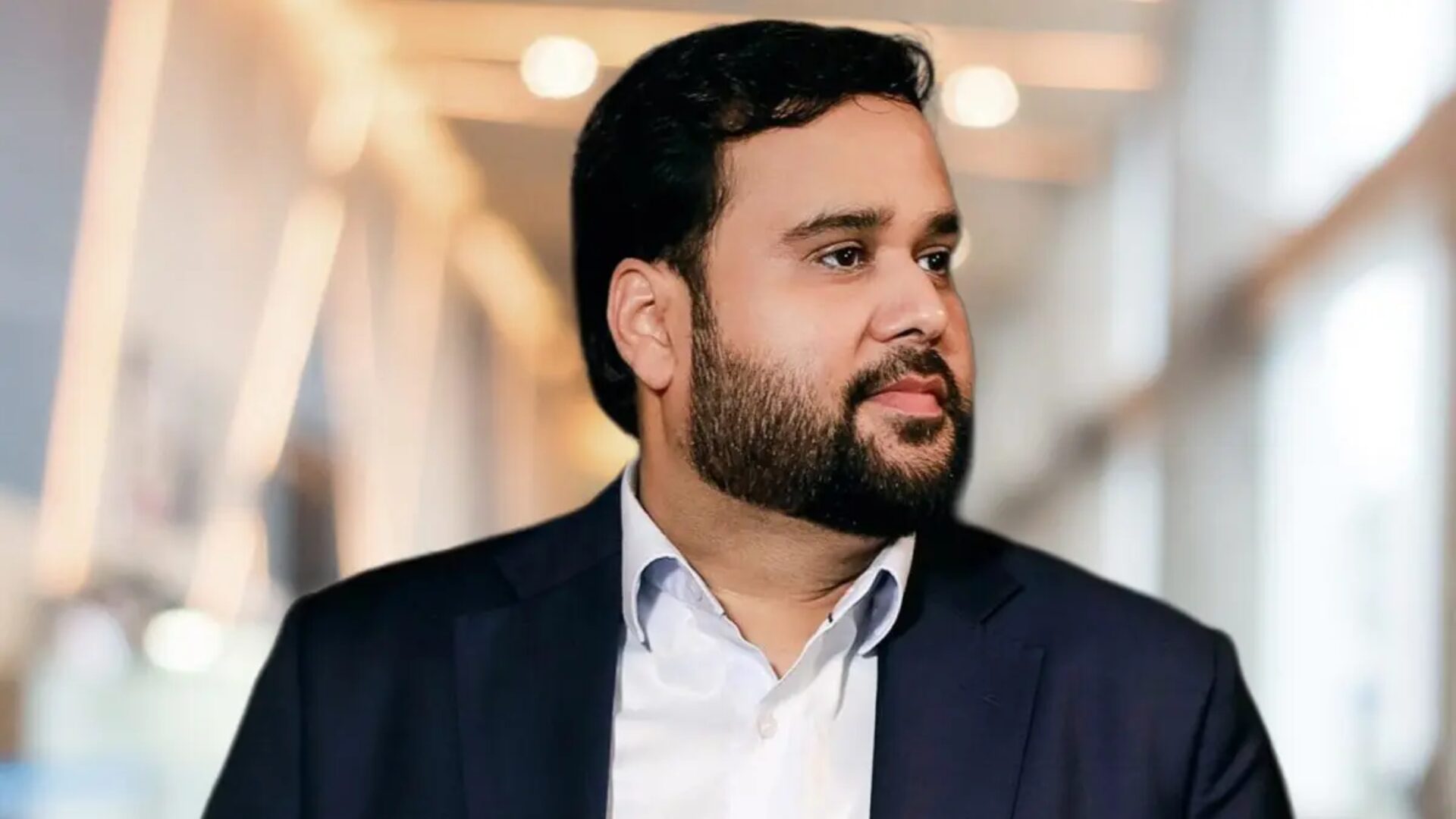
Manoj Sureka, CEO & Managing Partner, Synergy Fin. Consulting is a recognised leader in the finance and investment sector. Manoj has built a strong reputation for his strategic foresight and ability to foster sustainable business growth.
The UAE is emerging as a key gateway to global capital, with over 1.4 million registered companies highlighting a dynamic business ecosystem. This growth is creating new opportunities for regional firms to attract international investment, scale globally, and engage in the UAE’s expanding role as a hub for trade, finance, and innovation.
“The new federal capital markets framework marks a decisive shift from market expansion to market maturity, placing investor protection and transparency at the heart of growth.”
Q. What prompted the UAE to overhaul its capital markets regulatory framework?
The UAE’s capital markets have grown rapidly in scale and complexity, driven by foreign investment, fintech innovation, and regional integration. The old framework was fragmented and less equipped to handle modern challenges, including cross-border offerings, digital assets, and investor protection in a global context. The new federal framework consolidates authority under the Capital Market Authority (CMA), streamlines oversight, and ensures the UAE meets international regulatory standards.
Q. How does the new framework enhance investor protection?
Investor protection is central to the overhaul. The CMA now has enhanced enforcement powers, including larger fines, criminal penalties for serious misconduct, and authority to intervene in systemically important entities. New mechanisms like an Investor Protection Fund strengthen confidence that the market is fair, transparent, and accountable. Additionally, statutory liability for issuers and advisors ensures disclosure obligations are enforced rigorously.
Q. What are the implications for issuers and market participants?
Issuers, brokers, and fund managers now operate under clearer, unified rules. Prospectus requirements, margin lending clarifications, and price-stabilization guidance reduce ambiguity, making compliance predictable. Cross-border offerings and digital assets fall under regulatory purview when targeting UAE investors, which encourages innovation while maintaining oversight.
Q. How does this framework position the UAE in the global capital markets landscape?
By aligning with international best practices and modernising regulatory tools, the UAE signals that it is open for sophisticated global capital. The integration of virtual assets under regulated frameworks, alongside traditional equities and debt, demonstrates forward-looking leadership. This attracts international investors seeking a stable, well-regulated environment in the MENA region while providing UAE issuers with access to deeper capital pools.
Q. What are the expected near-term market impacts of the new framework?
In the near term, we anticipate increased investor confidence, more cross-border listings, and higher foreign inflows into both equities and debt markets. The clarity and enforcement strength provided by the CMA may lead to improved market discipline and more structured growth in sectors like fintech and digital assets.
Q. How can regional leaders ensure investor readiness?
I advise regional business leaders to engage early with international investors. In the UAE’s dynamic ecosystem, delays can hinder global growth. Treat it as a step-by-step process guided by five key questions, not just capital attraction.
• Is your governance and reporting investor-ready?
• Can your business scale across borders?
• Are you in sectors attractive to foreign investors?
• Are operations efficient and structured?
• Are risks and regulations clearly understood?
Answering these questions helps leaders spot high-impact, low-risk opportunities to engage global investors, scale, and leverage the UAE’s growing hub status.
