
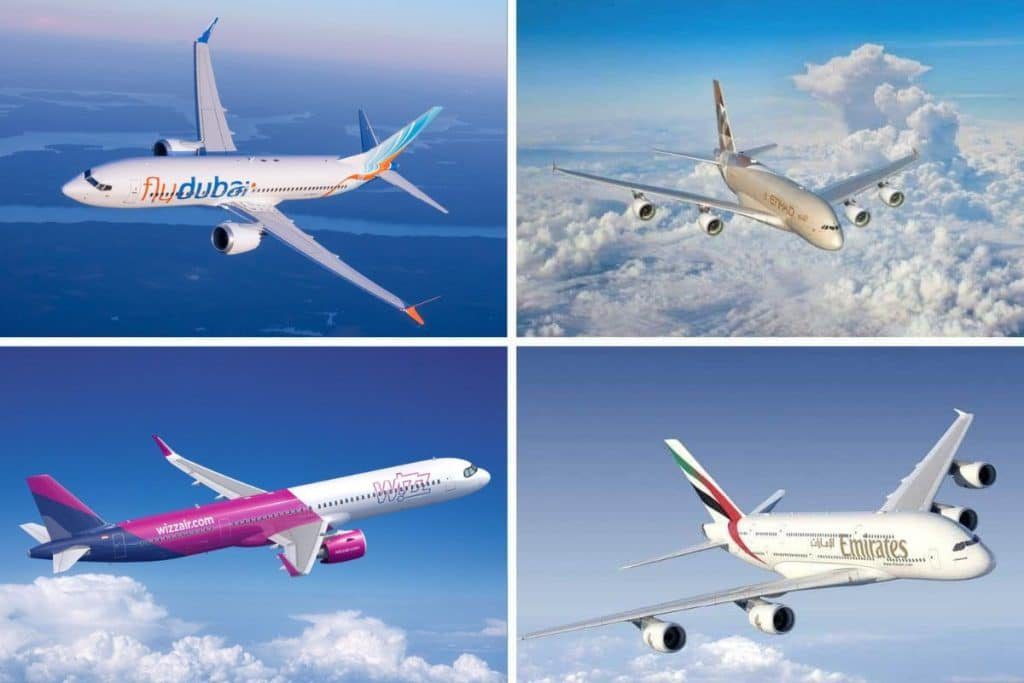
In 2024, the UAE reinforced its position as a leading global aviation hub through significant advancements in infrastructure, sustainability, and capacity growth. The UAE’s aviation sector continues to be a key driver of the national economy, supported by investments in airport infrastructure, clean energy initiatives, and increased seating capacity at major airports.
UAE carriers fully recovered to surpass pre-pandemic levels, with seat availability increasing by 10.5% from 2023 and 15% from 2019. The General Civil Aviation Authority (GCAA) projected that passenger traffic would reach 150 million by the end of 2024, up from 134 million the previous year.
Key projects included the $35bn expansion of Al Maktoum International Airport, which will become the world’s largest airport, with a capacity of 260 million passengers. Additionally, Zayed International Airport was inaugurated and recognized for its innovative design. Abu Dhabi Airports also won the prestigious “World’s Leading Airport Operator” award.
Dubai International Airport maintained its global leadership in international flight capacity, while Emirates and Etihad earned numerous accolades, reinforcing the UAE’s aviation success. The country also continued its commitment to sustainability with initiatives like Dubai Airports’ world’s largest rooftop solar panel installation and expanded use of sustainable aviation fuel.
The UAE’s aviation sector is a global leader, driving growth, innovation, and sustainability in the industry.
