
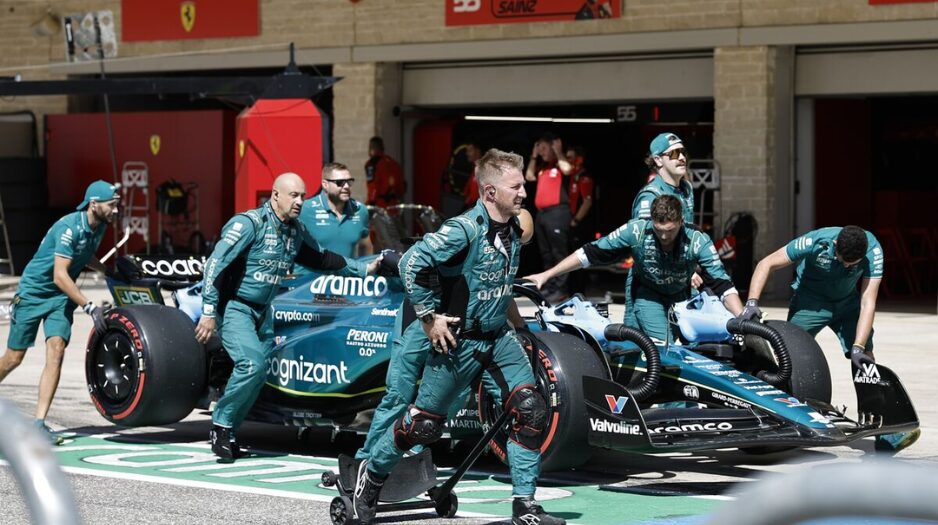
Aston Martin Lagonda has confirmed plans to sell its 4.6% minority stake in the Aston Martin Aramco Formula One Team. The decision comes as the automaker looks to stabilize its finances during a period of declining revenue, falling stock prices, and growing export challenges.
The sale is expected to generate around £110 million ($146 million), valuing the team at £2.4 billion. This figure represents a sharp rise from the previous £1 billion valuation in mid-2023. The increase, roughly 50%, highlights Formula 1’s continuing global rise as a commercial powerhouse. Although the buyer’s identity has not yet been disclosed, the deal is expected to close in the third quarter of the year.
Aston Martin Lagonda CEO Adrian Hallmark confirmed that the agreement is binding but not yet finalized, signaling the company’s cautious but deliberate approach to managing its capital.
Brand Remains Despite Stake Sale
While Aston Martin is reducing its ownership, the carmaker will maintain a strong presence in Formula 1 through a long-term branding agreement. The team will continue racing under the Aston Martin name, with its iconic green livery remaining unchanged.
This continuity is made possible by the team’s ownership structure. The F1 operation is controlled by Canadian billionaire Lawrence Stroll through his Yew Tree Investments group, which also holds a 33% stake in Aston Martin Lagonda. Therefore, the sale will not disrupt the relationship between the team and the automaker. Instead, it reinforces a shared commitment to maintaining brand visibility while adjusting financial exposure.
The move provides the car manufacturer with liquidity at a crucial time. It allows the company to manage short-term pressures while keeping its brand tied to Formula 1’s global influence.
Strategic Shift Amid Financial Challenges
The sale arrives as Aston Martin faces mounting financial strain. Over the past year, the company’s stock has dropped by 50%, and second-quarter revenue has fallen 34% due to weaker demand for high-end models such as the Valkyrie and DBX SUV. Additionally, a new export tariff agreement between the UK and the US has imposed higher costs, reducing profitability in one of its largest markets.
These pressures make the sale a strategic financial decision rather than a retreat. By divesting a portion of its F1 stake, the automaker gains valuable capital to stabilize operations and fund future product development. Meanwhile, the Formula 1 team continues to evolve under Stroll’s leadership, with major infrastructure upgrades and new engineering talent strengthening its competitiveness.
Recent developments, including the addition of Adrian Newey as managing technical partner and the upcoming Honda partnership for 2026, signal a clear intent to compete at the front of the grid. Although the 2025 season has been inconsistent, the long-term strategy positions the team for sustained success both on and off the track.
