
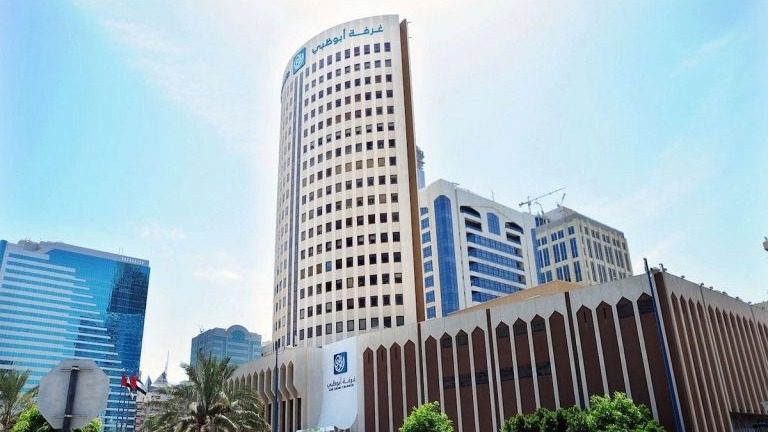
Abu Dhabi is emerging as an increasingly attractive hub for German enterprises, with the Abu Dhabi Chamber of Commerce and Industry reporting a 17 percent increase in German business membership by the end of August 2025 compared to the same period last year.
The Chamber highlighted that this momentum underscores growing confidence among German investors in Abu Dhabi’s supportive business climate, which combines advanced infrastructure with progressive regulations to foster innovation and enterprise.
Expanding Bilateral Trade
Trade between the UAE and Germany continues to strengthen. Non-oil trade flows surpassed AED50 billion ($13.8 billion) in 2024, marking a 5.4 percent rise from the previous year. To build on these results, a high-level UAE economic delegation will travel to Germany from September 15 to 18 to meet with senior officials, explore new areas of cooperation, and reinforce partnerships that support sustainable growth.
German firms are actively contributing to Abu Dhabi’s economy in fields such as engineering, aviation, logistics, energy, and finance. Meanwhile, leading Emirati entities including Mubadala, DP World, Emirates Airline, dnata, Dubai Islamic Bank, and the Abu Dhabi Investment Authority continue to deepen their footprint in Germany, investing in port management, clean energy, finance, and aircraft maintenance.
Strengthening Partnerships for the Future
Shamis Al Dhaheri, Second Vice Chairman and Managing Director of the Chamber of Commerce and Industry, said: “The economic partnership between Abu Dhabi and Germany is a prime example of international cooperation founded on complementarity and knowledge exchange. The marked growth in trade volume and the increasing number of German companies registered in Abu Dhabi reflect the strength of our economic ties and reinforce the emirate’s status as a global economic hub.”
He emphasised that the Chamber will continue to serve as an integrative platform for the business community by offering digital services, fostering dialogue between the public and private sectors, and supporting entrepreneurs, family businesses, and businesswomen.
Looking ahead, the Chamber identified manufacturing, renewable energy, logistics, and advanced technology as key areas for future collaboration under its 2025–2028 Roadmap, which aims to accelerate diversification, competitiveness, and private sector-led innovation.
