
Oil prices fell nearly 5% on Monday to their lowest levels in two weeks as investor optimism increased over potential progress toward a US-Iran peace agreement, despite ongoing disagreements over key issues, including restrictions around the Strait of Hormuz.
Brent crude futures declined by $5.04, or 4.9%, to $98.50 a barrel by 1327 GMT. Meanwhile, US West Texas Intermediate (WTI) crude futures dropped $4.82, or 5%, to $91.78 a barrel. Both benchmarks reached their weakest levels since May 7.
Peace negotiations weigh on oil markets
Market sentiment shifted after US President Donald Trump said Washington and Tehran had largely negotiated an understanding on a peace arrangement that could reopen the Strait of Hormuz.
Before the conflict, the vital shipping route handled roughly one-fifth of global oil and liquefied natural gas flows. However, Trump later stated that US negotiators should not rush into any agreement, signalling that several complex issues remain unresolved.
Additionally, Iran’s top negotiator and foreign minister travelled to Doha to discuss a potential agreement with the US with Qatar’s prime minister. Nevertheless, both Washington and Tehran have downplayed expectations for an immediate breakthrough.
Iranian foreign ministry spokesperson Esmaeil Baghaei said Tehran is currently focused on negotiating an end to the conflict rather than discussing nuclear issues.
Supply disruptions continue despite easing tensions
Despite falling prices, analysts cautioned that oil supply constraints remain significant. June Goh, an analyst at Sparta Commodities, said the global market still faces a crude supply shortfall of around 10-11 million barrels per day.
Therefore, inventories are likely to continue declining until Middle Eastern production capacity fully recovers, a process analysts expect could take months due to infrastructure repairs.
Giovanni Staunovo, analyst at UBS, said physical oil flows through the Strait of Hormuz remain the key indicator for markets. He noted that shipping activity through the route continues to face restrictions despite diplomatic progress.
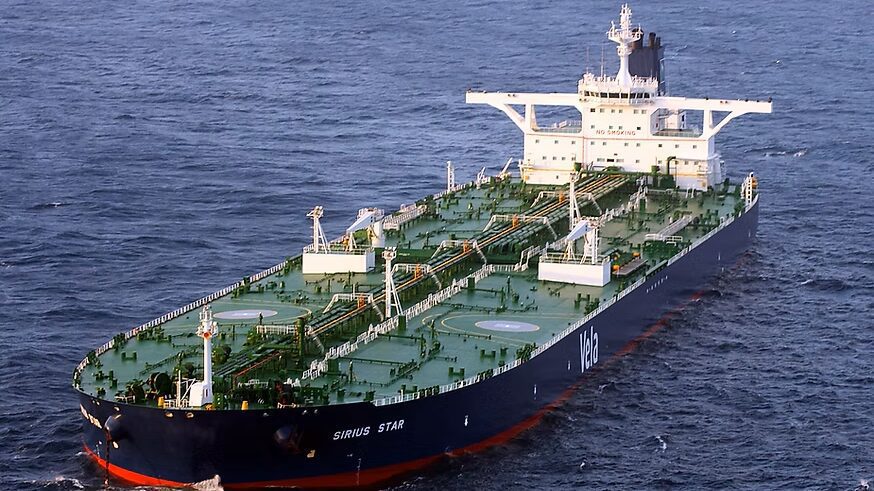
However, some movement has resumed. Shipping data showed two liquefied natural gas tankers exiting the strait on Monday, bound for Pakistan and China. Additionally, a supertanker carrying Iraqi crude departed for China after being stranded for nearly three months.
US drilling activity rises amid higher prices
Higher domestic energy prices have also prompted increased drilling activity in the United States. According to Baker Hughes, US energy companies added oil and natural gas rigs for a fifth consecutive week.
The total rig count increased by seven to 558 in the week ending May 22, marking the highest level since June 2025. However, the overall count remains slightly below levels recorded during the same period last year.
