
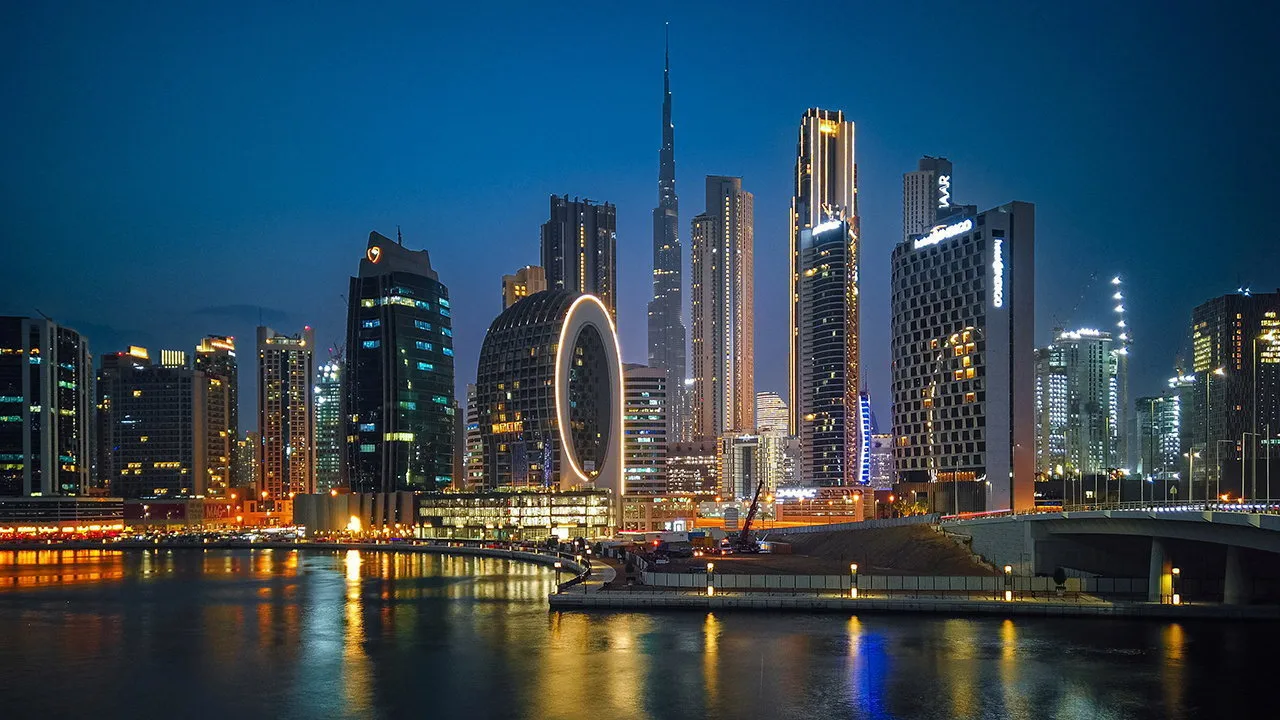
Dubai has introduced new measures to support the hospitality sector and the wider economy, aimed at strengthening business resilience and sustaining growth amid short-term challenges. Moreover, the incentives were announced by H.H. Sheikh Hamdan bin Mohammed bin Rashid Al Maktoum as part of a broader AED1 billion economic support package.
Hospitality fee deferrals to boost liquidity
The measures allow hotels to postpone payment of 100% of sales fees on rooms and food and beverage services, as well as the Tourism Dirham, for a period of three months. Additionally, the incentives are designed to ease financial pressures and enhance liquidity across the tourism and hospitality ecosystem.
The measures take effect from April 1, 2026. Furthermore, they apply to all hospitality establishments, including hotels, hotel apartments, and holiday homes.
Wider economy measures cover multiple business fees
Additional incentives will apply across the broader economy for three months from April 1, 2026. These include deferrals of fees for premium business names, licence amendment fees, newspaper announcement fees, local service fees, accommodation fees, waste management fees, and service improvement fees. Moreover, the deferrals apply to both new licences and renewals.
Authorities said businesses will receive an update at the end of the three-month period. As a result, companies will have greater flexibility to manage operating costs during the implementation period.
Helal Saeed Almarri, Director General of the Dubai Department of Economy and Tourism, said: “Dubai’s economic model has been built on agility, clarity and cooperation, and the accelerated introduction and implementation of these measures, part of a wider package for Dubai’s economy, is a clear demonstration of the decisive leadership our city and nation benefit from. Guided by a focus on close collaboration between the public and private sectors, the growth of Dubai’s tourism sector and wider economy in recent years has been built on continued engagement with industry, and a readiness to understand challenges and opportunities, and rapidly enact policies that can incentivise growth and solidify resilience.”
Issam Kazim, CEO of the Dubai Corporation for Tourism and Commerce Marketing, part of DET, said: “Over recent weeks, we have been closely engaging with stakeholders across the tourism sector as they navigate through unique challenges. We applaud the resilience they have demonstrated, as well as the role they have played in maintaining the high-quality service and destination offerings the city has become known for. These new incentives are in line with feedback we have received from hospitality leaders in the city and will put them on a strong footing to drive growth and momentum for the sector.”
Ahmad Khalifa AlQaizi AlFalasi, CEO of Dubai Business Registration and Licensing Corporation, part of DET, said: “Dubai has earned its global credibility as a city for trade and commerce thanks to a relentless focus on the needs of businesses and a willingness to make changes and ecosystem developments that can drive collective benefits. By giving businesses extra flexibility over the coming months, we are allowing them to focus on key priorities and the measures they need to take to protect the long-term sustainability of their operations.”
Additional reforms include customs and residency facilitation
Other measures within the wider economic package include extending customs data grace periods and streamlining the issuance and renewal of residency permits. Therefore, the package aims to strengthen business continuity, improve operational efficiency, and reinforce Dubai’s ability to respond quickly to evolving economic conditions.
