
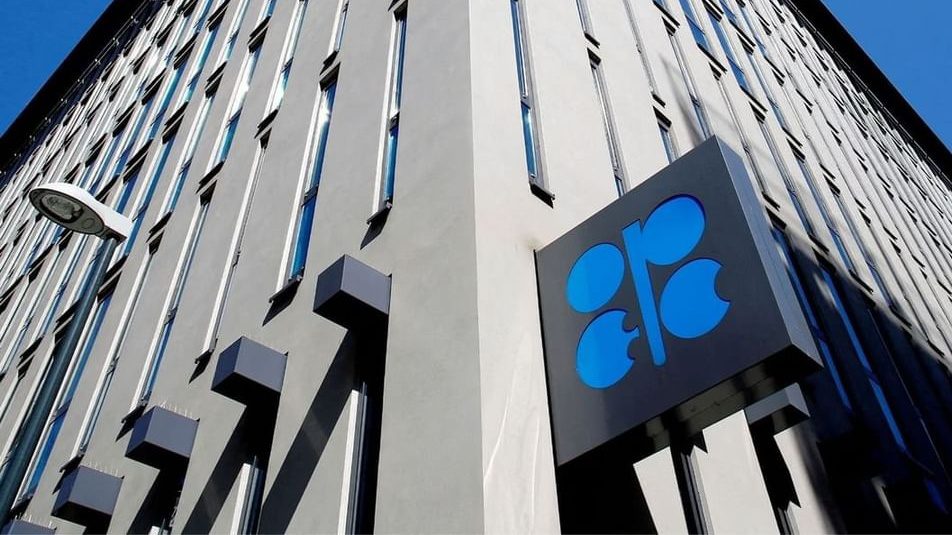
OPEC Fund for International Development committed a record US$3.2 billion to development operations in 2025, marking the highest annual financing volume in its history. The total represents a 39% increase compared with the previous year and reflects rising demand for development financing worldwide.
Additionally, the commitments were delivered through 76 operations across multiple regions and sectors. As a result, the institution expanded support for infrastructure, food security, energy access and climate resilience initiatives in partner countries.
The milestone comes as the organisation approaches its 50th anniversary in 2026. Moreover, the record financing highlights its growing role in addressing development challenges and strengthening economic resilience in emerging markets.
Financing Activity Expands Across Public and Private Sectors
In 2025, the institution signed 35 public-sector operations, 26 private-sector operations and 15 grants across its financing windows. Public-sector financing supported government-led reforms, infrastructure development and essential public services. Meanwhile, private-sector operations focused on corporate lending and financial institutions to support business growth, trade finance and job creation.
Grant financing totaled around US$7 million. Additionally, these grants supported humanitarian assistance programmes, energy access initiatives and other priority social sectors.
Abdulhamid Alkhalifa, President of the organisation, said, “As we mark our 50th year, the OPEC Fund does so from a position of strength. Our 2025 results demonstrate not only increased scale, but the maturity of our institution, the trust of our partners and the confidence of our member countries and investors. Building on five decades of experience, we are focused on financing that responds quickly, reaches further and delivers lasting impact for people and communities.”
Infrastructure and Emerging Markets Lead Funding Allocation
Transport and infrastructure projects accounted for the largest share of financing in 2025. Approximately US$900 million supported projects aimed at improving connectivity and logistics networks.
Additionally, policy-based lending totaled US$865 million, supporting macroeconomic reforms and fiscal stability in partner countries. Trade finance and financial sector operations exceeded US$800 million. Consequently, these initiatives helped expand access to finance for small and medium-sized enterprises and supported the flow of essential goods.
Geographically, Sub-Saharan Africa received the largest share of financing. Commitments to Eastern and Southern Africa as well as West and Central Africa totaled around US$1.2 billion, representing about 36 percent of overall financing.
Meanwhile, the Middle East, Europe and Central Asia received approximately US$849 million, while Latin America and the Caribbean accounted for about US$556 million. Asia and the Pacific received around US$491 million, with the remaining financing supporting multiregional development programmes.
