
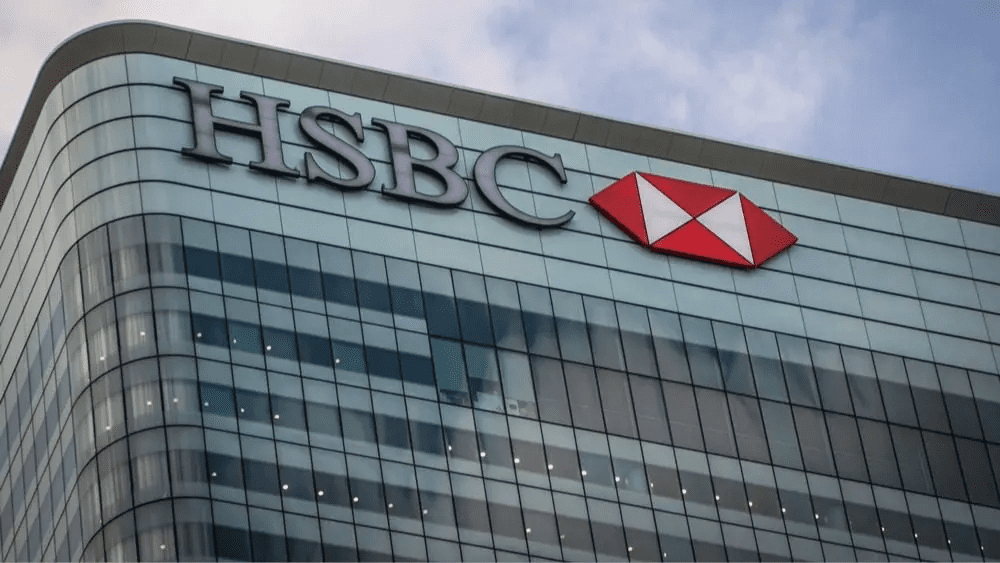
The United Arab Emirates has solidified its position as a pivotal centre for global wealth management, driven by its tax-free environment, regulatory reforms, and a growing population of high-net-worth individuals (HNWIs). Consequently, HSBC’s strategic expansion—from opening its first Middle East wealth centre in Dubai to enhancing digital tools for Premier clients—reflects the bank’s recognition of the UAE’s rising significance in the global asset management landscape. As the region’s asset management market reaches $2.3 trillion in 2023, a 13% year-on-year increase, HSBC’s investments underscore the financial industry’s broader shift toward this dynamic market.
The Middle East’s ascendancy in asset management
The Middle East’s asset management sector is no longer a peripheral player but a core force in the global financial ecosystem. Moreover, economic diversification efforts in the UAE, Saudi Arabia, and Qatar have spurred cross-border investments and the adoption of technologies such as artificial intelligence and blockchain. These innovations are enhancing portfolio management and attracting ultra-high-net-worth individuals seeking stability and tax efficiency.
Private markets are further driving growth. Nearly 80% of Middle Eastern investors plan to increase private equity allocations over the next 12 months, with roughly half already committing more than 20% of assets to this segment. Therefore, the trend supports the region’s transition from oil-dependent economies to sectors such as energy infrastructure, digital transformation, and AI. By 2030, private markets are expected to account for more than half of global asset management revenues, with the Middle East playing a pivotal role.
HSBC’s strategic expansion in the UAE
HSBC’s moves in the UAE respond directly to these macroeconomic shifts. In 2025, the bank launched its first Middle East wealth centre in Dubai, located within the Jumeirah branch, targeting Premier and high-net-worth clients. The centre offers bespoke wealth solutions, educational events, and cross-border investment opportunities, positioning the UAE as a cornerstone of HSBC’s International Wealth and Premier Banking segment. As of 2025, the country has attracted record numbers of millionaires, drawn by tax-free policies and regulatory agility.
In parallel, HSBC has introduced digital tools for Premier clients that simulate financial scenarios and support long-term planning for retirement, property, and other goals. Consequently, the bank is addressing the needs of a globally mobile client base while leveraging technology to enhance engagement.
Regional integration and strategic implications
HSBC’s UAE expansion is part of a broader regional strategy. Selim Kervanci, Middle East Chief, highlighted the MENAT-Asia corridor as vital for cross-border investments in infrastructure, logistics, and renewable energy. Additionally, strong economic ties between the UAE and Saudi Arabia reinforce the strategy, with 90% of UAE businesses planning to expand trade and investment with the Kingdom over the next five years. HSBC is capitalizing on this momentum by relocating managing directors from London and hiring local talent in key markets such as Saudi Arabia.
Under CEO Georges Elhedery, HSBC is prioritizing growth in Asia and the Middle East over traditional Western markets. As a result, the bank is not only securing a foothold in a high-growth region but also supporting the UAE’s integration into global wealth networks.
Conclusion
HSBC’s UAE expansion underscores the Middle East’s growing influence in global asset management. With rising assets under management and increasing private market activity, institutions like HSBC are reshaping strategies to align with the UAE’s emergence as a wealth hub. By combining physical infrastructure, digital innovation, and cross-border expertise, HSBC is actively shaping market trends, highlighting the UAE as a strategic gateway to a region redefining the future of global wealth.
