
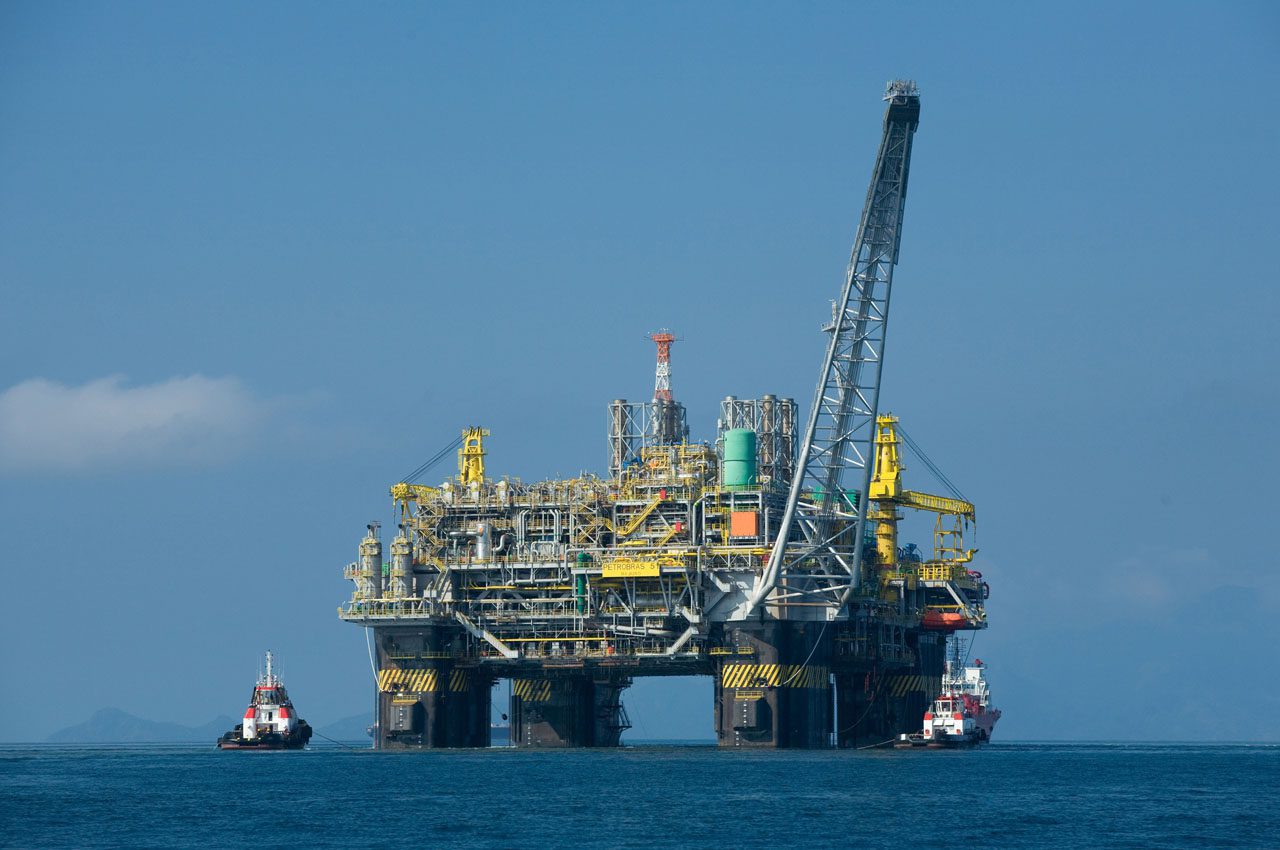
According to renowned energy research and business intelligence firm, public oil exploration and production companies are on course to break historical profit records this year as high oil and gas prices and increasing demand drive financial success.
According to Rystad Energy, total free cash flow (FCF) – a company’s cash from operations after accounting for expenditures and asset maintenance — for oil exploration and production (E&P) businesses would reach $834 billion in 2021, up 70% from $493 billion in 2021.
As a result of the Covid-19 epidemic and the accompanying oil price drop, overall FCF from public E&Ps decreased to about $126 billion in 2020, halving the previous year’s amount. Last year’s FCF levels soared to about $500 billion, the greatest earnings ever for the upstream industry, experts at Rystad Energy said, as the global economy recovered and fuel consumption grew.
“Public upstream operators’ financial health is at an all-time high right now.” Still, thanks to a perfect storm of variables boosting earnings and cash flow to another record high in 2022, the good times are expected to get even better this year,” said Espen Erlingsen, Rystad Energy’s head of upstream research.
The prolonged high oil and gas prices are the key contributor to these record financials. According to Rystad Energy, total FCF for public upstream businesses will reach $834 billion this year, with average Brent oil prices of $111 per barrel in 2022, a Henry Hub gas price of $4.2 per thousand cubic feet (Mcf), and a European gas price of $25 per Mcf.
It does not just record high FCF on the table for public upstream companies, according to the energy research group. This year, cash from operations is likely to soar, surpassing the $1 trillion mark for the first time. The $1.1 trillion annual total is up 56% from the $719 billion amount in 2021, which was the biggest annual total since 2014.
“Money from operations is often used to fund new expenditures as well as financial burdens like debt payments and dividends.” Cash from operations fell by about $200 billion, or 35%, in 2020, meaning that corporations had less money to invest in new ventures and pay dividends to their shareholders. As a result, investments are expected to shrink by almost $100 billion, or around 30%, in 2020, according to the report.
Despite the strong growth in cash from operations, investments are likely to remain flat this year, rising just slightly to $286 billion from $258 billion in 2021. “The investment ratio demonstrates the gap between record cash flow and profits, as well as the portion of those windfalls that is reinvested. According to Rystad Energy’s research report, “this ratio has fluctuated over the last decade, average about 72 per cent.”
The predicted investment ratio for this year is expected to drop to 26%, the lowest level since the early 1980s. In 2022, almost all significant public E&P businesses will have an investment ratio of between 20% and 30%. Occidental Petroleum, a US independent, has the lowest ratio of approximately 20%, while ExxonMobil, a US major, is predicted to enjoy the most substantial increase in FCF in 2022, expanding by about $18 billion.
“The low investment ratio and high free cash flow suggest that public E&P businesses will have enough cash to pay down debt or pay dividends to shareholders.” Much of last year’s profit was used to pay off debt, leaving upstream companies in excellent financial shape. “As a result, a large chunk of the huge earnings expected this year would almost certainly be paid out to shareholders,” the research said.
