
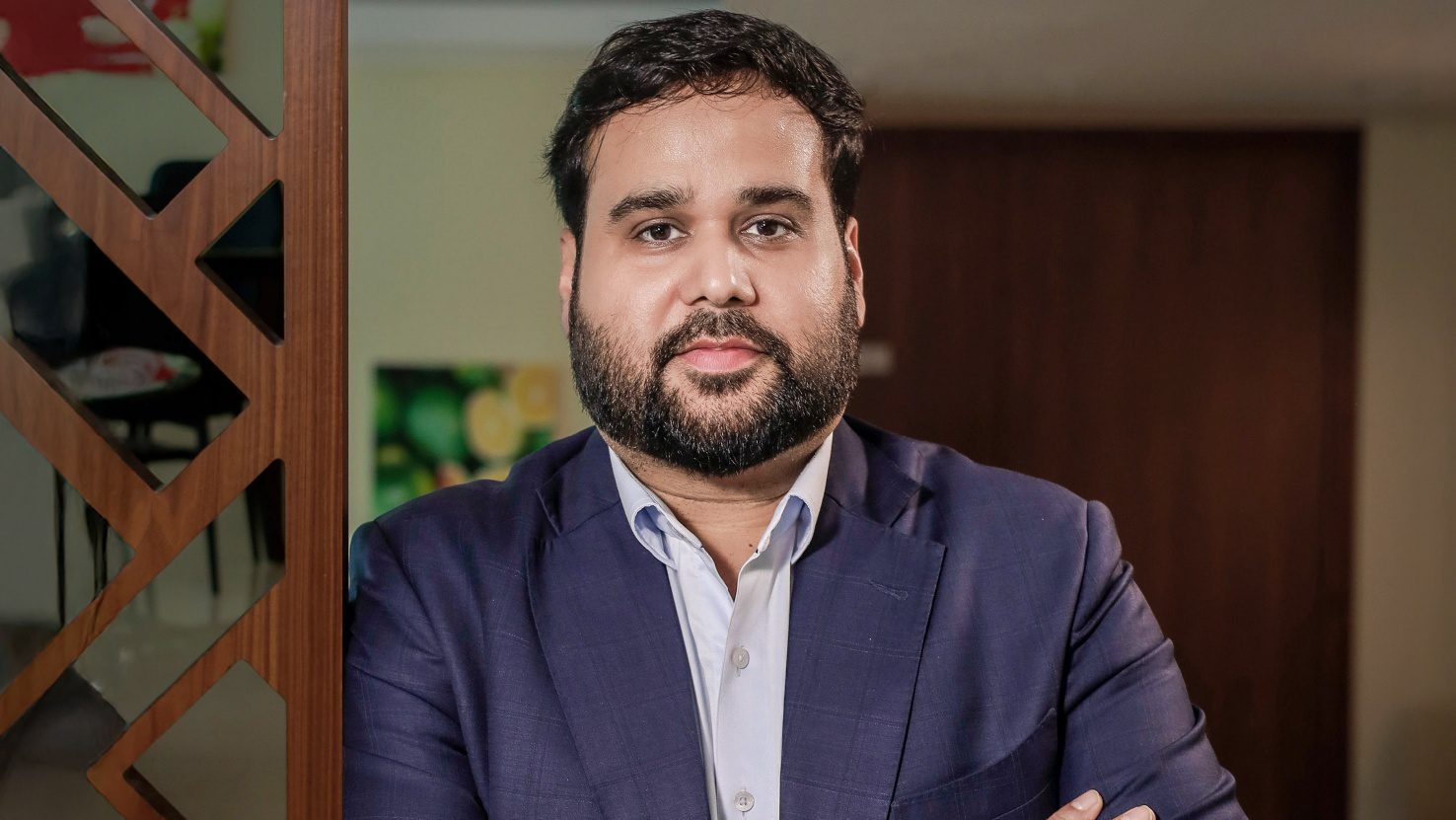
Manoj Sureka, CEO & Managing Partner, Synergy Fin. Consulting is a recognised leader in the finance and investment sector. Manoj has built a strong reputation for his strategic foresight and ability to foster sustainable business growth.
Prior to Synergy, he served as Head of Commercial Banking at RAKBANK and held key roles at institutions including Mashreq Bank and National Bank of Fujairah. He also serves as a board member and mentor to several companies across diverse industries.
At Synergy Fin. Consulting, the firm provides end-to-end fundraising advisory services through private equity, debt, and trade finance solutions. Their clientele includes SMEs and corporates seeking capital through banks, financial institutions, sovereign wealth funds, and other institutional investors. Synergy also offers specialised advisory services in mergers and acquisitions and joint ventures.
Q1: Why is real estate development financing critical in Dubai?
Real estate remains one of the cornerstones of Dubai’s economy, contributing significantly to GDP and foreign direct investment inflows. Financing is critical because projects in Dubai are capital-intensive, requiring substantial upfront funding for land acquisition, construction, approvals, and infrastructure. Given Dubai’s role as a global hub, the financing structure directly impacts project timelines, profitability, and investor confidence.
Q2: What are the main sources of development financing available?
The main sources of financing in Dubai’s real estate sector include bank financing, where local and international banks provide term loans, construction finance, and bridge loans. Private equity and investment funds also play a significant role, with institutional and high-net-worth investors funding large-scale projects in exchange for equity or profit-sharing. Developers frequently enter into joint ventures with landowners or investors to share risks and returns. In addition, alternative financing options such as sukuk issuances, mezzanine finance, and Shariah-compliant structures are becoming increasingly popular.
Q3: How does regulation affect real estate financing?
Dubai’s Real Estate Regulatory Authority (RERA) and the Dubai Land Department (DLD) have established strong frameworks that shape financing in the sector. Escrow accounts ensure that buyers’ payments are used only for project-related expenses, while project registration and approvals create transparency for both investors and lenders. In addition, strata laws regulate ownership and property management. Together, these measures enhance market stability and protect financiers from excessive risk.
Q4: What role do banks play in financing development projects?
Banks are key lenders and they typically require Developer’s track record, Minimum equity contribution (usually 20–30%), Strong pre-sales commitments, Collateralization of land and receivables, Banks tend to fund mid-to-late stages of construction once risk is reduced.
Q6: What are the challenges in securing financing?
Developers face high equity requirements, while market volatility often impacts sales and funding. Conservative bank policies slow project launches, and global factors such as oil prices and interest rates affect investor confidence.
Q9: What advice would you give to a developer seeking financing today?
Build a credible track record and ensure compliance with RERA. Explore hybrid financing models (bank + equity + off-plan) and Maintain transparent governance and reporting, as investors demand visibility. Strong regulation and innovative financing make Dubai’s property market one of the most resilient globally.
Q10: What does the future hold for real estate financing in Dubai?
The future is promising. With Dubai’s continued population growth, government-backed infrastructure projects, and rising global investor interest, financing channels will expand. We expect more structured private equity, green bonds, sukuk issuances, and digital financing platforms to support Dubai’s next wave of real estate growth.
