
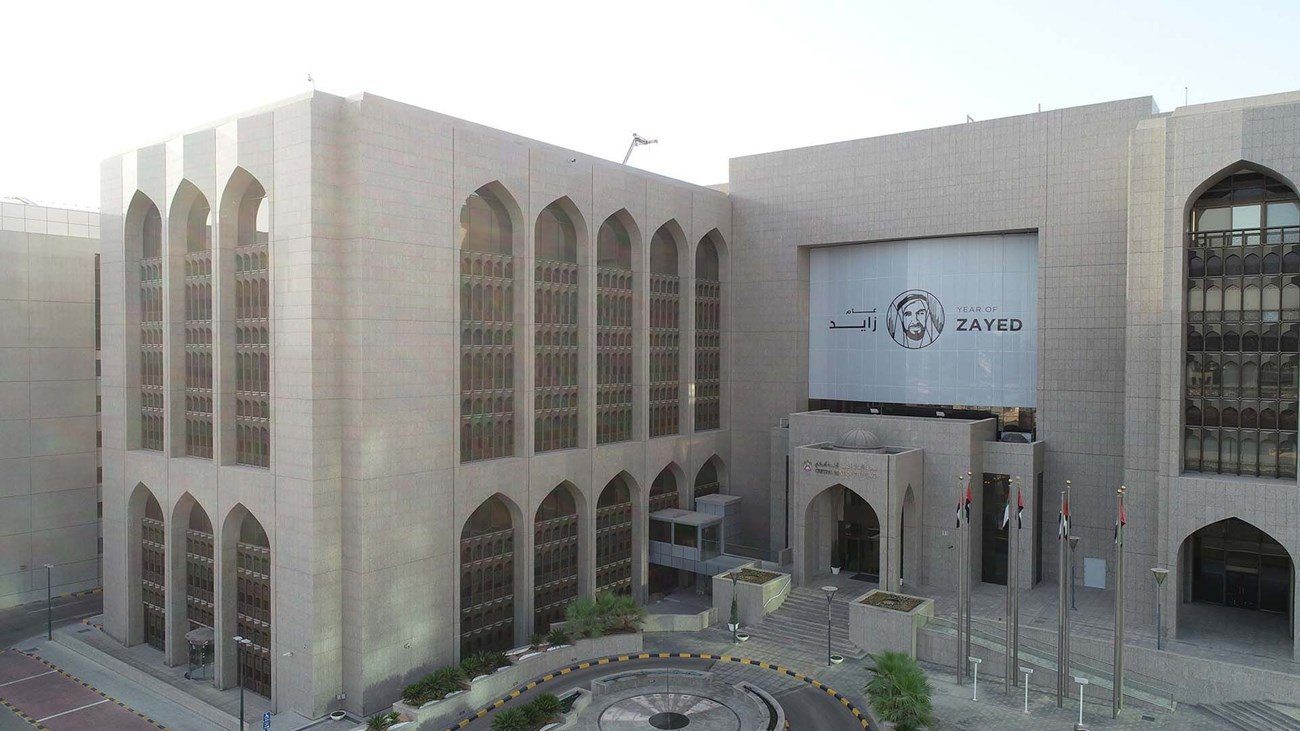
The Central Bank of the UAE (CBUAE) has taken significant regulatory action by suspending the operations of Al Razouki Exchange, a prominent exchange house in the UAE, for a period of three years. Additionally, the Central Bank has ordered the closure of two of the exchange house’s branches located in Dubai. This move follows a special examination by the CBUAE, which uncovered failures in the exchange house’s compliance with Anti-Money Laundering (AML) and Countering the Financing of Terrorism (CFT) regulations.
This suspension is in line with Federal Decree-law No.20 of 2018, which focuses on Anti-Money Laundering and Combating the Financing of Terrorism and Illegal Organizations. The CBUAE’s actions are aimed at ensuring strict adherence to national laws that preserve the integrity of the UAE’s financial system. The Central Bank’s oversight functions are critical in ensuring that exchange houses, along with their owners and employees, comply with the high standards required by the CBUAE.
The CBUAE is tasked with maintaining a robust regulatory framework to safeguard the transparency and reliability of the UAE’s financial sector. As part of its supervisory role, the Central Bank ensures that all financial institutions, including exchange houses, adhere to the rules and regulations that prevent illegal financial activities and ensure the overall stability of the nation’s financial system.
In light of these recent developments, the CBUAE has reiterated its commitment to enforcing AML/CFT compliance within the financial sector. It emphasizes that such violations will not be tolerated, and it will continue to take necessary steps to ensure compliance with both domestic and international financial regulations.
As a result of this suspension, Al Razouki Exchange has been temporarily halted from conducting any business operations, and its ability to serve customers has been severely restricted.
