
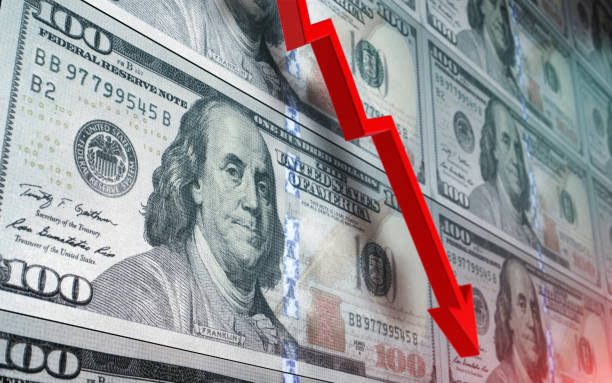
The U.S. dollar has declined to its lowest level in three and a half years, presenting a notable development for expatriates in the United Arab Emirates who regularly remit funds to their home countries. The dollar index, a key indicator that measures the strength of the US dollar against a basket of global currencies, fell to 96.93 this morning. This marks a significant drop from its recent high of 99.18 recorded just days earlier.
This recent depreciation comes as a surprise to many, especially given the favourable exchange conditions seen earlier this week. At the peak of the index, Indian expatriates were receiving exchange rates exceeding 23.5 INR to the dirham, while Filipino expatriates benefited from rates around 15.61 PHP. However, the swift downturn in the dollar’s value has altered that landscape.
The decline is largely attributed to mounting speculation surrounding a potential change in leadership at the U.S. Federal Reserve. According to reports by The Wall Street Journal, former President Donald Trump is considering announcing a successor to current Fed Chair Jerome Powell ahead of the end of Powell’s term in May of next year. The announcement could come as early as this summer, a move that has unsettled currency markets.
Trump has consistently expressed dissatisfaction with Powell’s approach, particularly regarding interest rate policy. His public remarks, including criticisms describing Powell as “very dumb” and “stupid,” have further intensified market concerns. Following the news of a possible early leadership change, the dollar weakened by 0.5 per cent against other major currencies, reaching its lowest level since March 2022.
The Federal Reserve has maintained that its decisions are based on economic data and are independent of political influence. The central bank recently held interest rates steady in June, citing ongoing uncertainties, including the potential impact of proposed tariffs.
Given these developments, financial experts advise UAE-based expatriates to exercise caution and strategic planning when considering international remittances. Currency fluctuations of this magnitude can significantly affect the value received in home countries, particularly for those sending funds to Asia.
Monitoring the dollar index and staying informed about potential shifts in U.S. monetary policy will be crucial in the weeks ahead. In an environment marked by heightened economic and political uncertainty, timing remittances thoughtfully could result in considerable financial advantage.
