
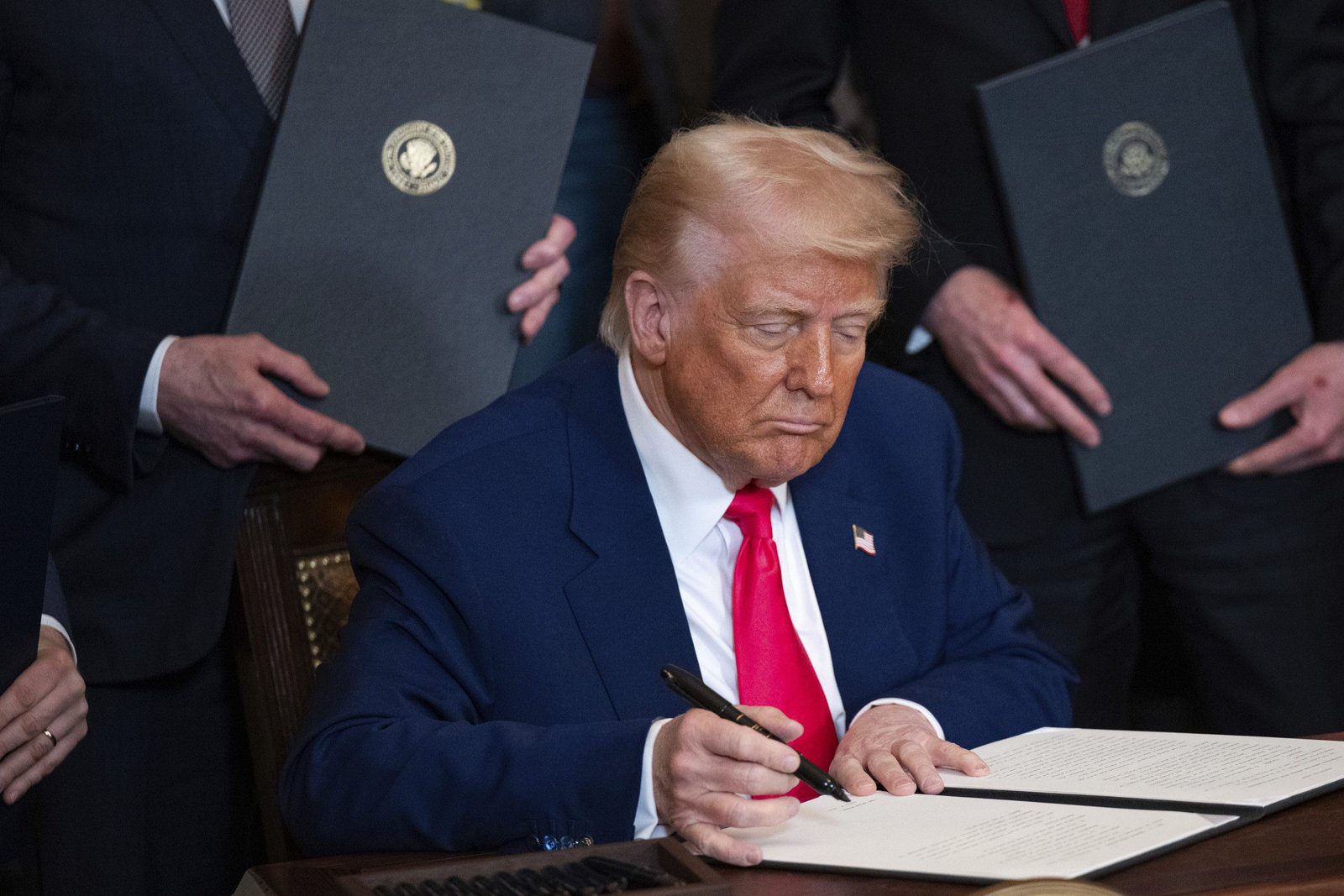
In a high-profile visit to Riyadh on May 13, 2025, U.S. President Donald Trump announced a historic $600 billion investment commitment from Saudi Arabia into the United States. The visit, marked by diplomatic meetings, business forums, and major defence agreements, signals a deepening economic realignment between Washington and Riyadh. The agreements span energy, defence, critical minerals, artificial intelligence, and strategic infrastructure, placing the U.S.–Saudi partnership at the centre of regional and global investment narratives.
Key Announcements and Agreements
One of the most notable deals was a $142 billion defence package, described as the largest of its kind by U.S. officials. It includes air defence systems, space-based surveillance technologies, military-grade drones, and support for U.S.-Saudi military training programs. The broader $600 billion investment pledge also covers:
•Energy infrastructure and oil sector upgrades in the U.S.
•Joint development of next-generation semiconductor production.
•AI-focused tech hubs and research partnerships between U.S. firms and Saudi sovereign entities.
The Saudi–U.S. Investment Forum
During the visit, Trump headlined the Saudi–U.S. Investment Forum, attended by a high-powered delegation of American executives, including Elon Musk (Tesla and X), Sam Altman (OpenAI), Larry Fink (BlackRock), and Andy Jassy (Amazon). Discussions focused on advanced technology, energy transition, and long-term capital allocation in strategic sectors. The forum laid the foundation for multiple public-private partnership models between American corporations and Saudi institutions, including PIF, Aramco, and the Ministry of Investment.
Policy Announcements and Regional Significance
Trump’s visit also marked a notable shift in U.S. foreign policy, with a formal declaration to lift all sanctions on Syria. This move, aimed at supporting regional reconstruction and normalization, is expected to influence broader Gulf diplomatic recalibration with Damascus and open new economic channels.
Additionally, Trump reiterated his intent to push for a broader regional trade framework involving Saudi Arabia, the UAE, Egypt, and Israel, with infrastructure and defence integration forming its core pillars.
For the UAE and wider GCC, the visit reaffirms the strategic role of Gulf capital in global economic rebalancing. The scale of investment signals:
•A clear pivot by Saudi Arabia toward direct economic influence in Western markets
•Accelerated competition and collaboration opportunities across Gulf sovereign funds
•Possible ripple effects in regional defence policy and arms procurement strategies
As the region doubles down on its role as a geopolitical and financial mediator, the UAE may find greater leverage by positioning its regulatory frameworks, capital platforms, and innovation ecosystems as complementary to Saudi-led outbound investments.
