
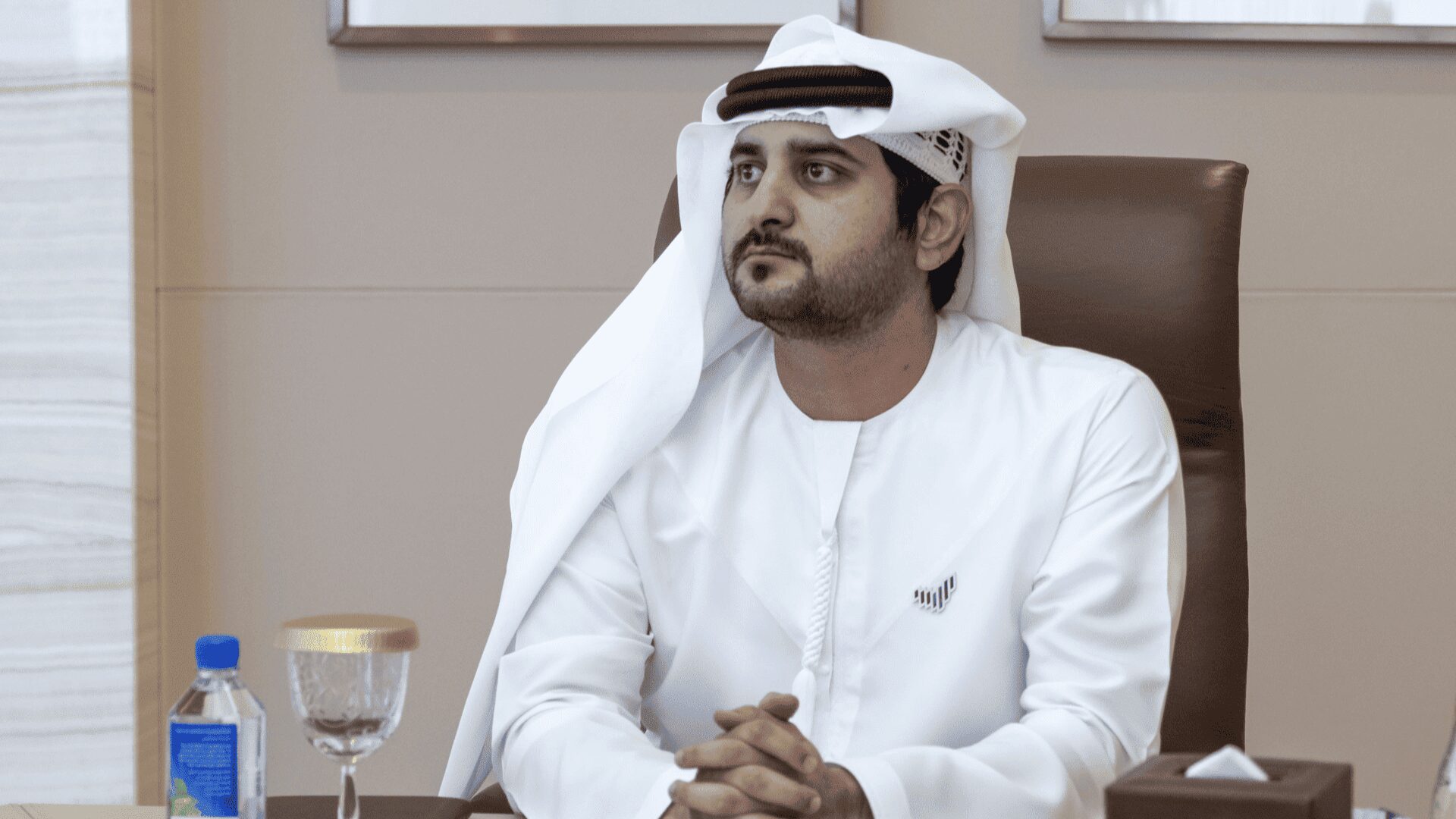
H.H. Sheikh Maktoum bin Mohammed bin Rashid Al Maktoum, First Deputy Ruler of Dubai, Deputy Prime Minister, and Minister of Finance, has reviewed the Ministry of Finance’s 2024 annual report, titled ‘Financial Sustainability and Global Leadership’. The report highlights key achievements, fiscal indicators, and the Ministry’s growing global presence, reflecting the UAE’s progress as a stable and forward-thinking economic hub.
Key Financial Achievements and Global Engagement
During a meeting held at the Ministry’s Dubai office, Sheikh Maktoum emphasized the UAE’s resilience in a fast-changing global economic landscape. He credited the leadership of President His Highness Sheikh Mohamed bin Zayed Al Nahyan and H.H. Sheikh Mohammed bin Rashid Al Maktoum for building a diversified and people-centric economic model. The Ministry, he noted, has implemented proactive policies that have supported sustainable growth and positioned the country as a leading global investment destination.
Among the major accomplishments of 2024 were the Ministry’s contributions to fiscal sustainability and its active role in shaping international financial policies. The UAE took part in key platforms, including G20 and BRICS summits, as well as meetings of the International Monetary Fund and the World Bank. These engagements helped solidify the nation’s standing as a significant voice in the global financial system.
Sheikh Maktoum also pointed out that the UAE’s strong sovereign credit ratings by Moody’s and Fitch reaffirm global confidence in the country’s financial strength and policy reliability.
Sukuk and T-Bond Success Strengthen Fiscal Position
The report showcased the Ministry’s success in public debt management, particularly through the continued issuance of dirham-denominated Treasury Bonds and Islamic Treasury Sukuk (T-Sukuk). By the end of 2024, the T-Sukuk programme had conducted 14 successful auctions with a total nominal value of AED17.1 billion. These auctions included the record-breaking June 2025 issue, which raised $300 million and was oversubscribed 5.6 times.
The Ministry also highlighted that outstanding domestic public debt reached AED23.45 billion, including AED6.35 billion under the T-Bond programme and AED17.1 billion under the T-Sukuk programme. The repayment of a two-year bond tranche worth AED4.85 billion further reflected prudent fiscal planning.
Digital Transformation and Legislative Progress Lead the Way
H.E. Mohamed bin Hadi Al Hussaini, Minister of State for Financial Affairs, stressed the Ministry’s commitment to innovation and operational excellence. In 2024, the Ministry also introduced key reforms to boost transparency, asset management, and leasing systems within the federal government. These initiatives were closely aligned with international best practices and aimed at enhancing fiscal efficiency.
A major area of focus was digital transformation. The Ministry launched AI-powered financial platforms and expanded digital services to support entrepreneurs and investors. These upgrades also contributed to reduced bureaucracy, improved service delivery, and better customer experiences. The introduction of 2.0 digital services also marked a significant step in delivering proactive government solutions.
The legislative agenda included the approval of the federal general budget, updates to AML and tax regulations, and new frameworks for financial reporting and inventory systems. These actions strengthened compliance and governance across the federal system.
The Ministry of Finance’s 2024 report underlines the UAE’s commitment to sustainable fiscal management, global engagement, and technological advancement. With 146 double taxation agreements and 116 investment protection pacts now in place, the Ministry also continues to reinforce the country’s position as a top global destination for finance, innovation, and strategic investment — in full alignment with the We the UAE 2031 vision.
