
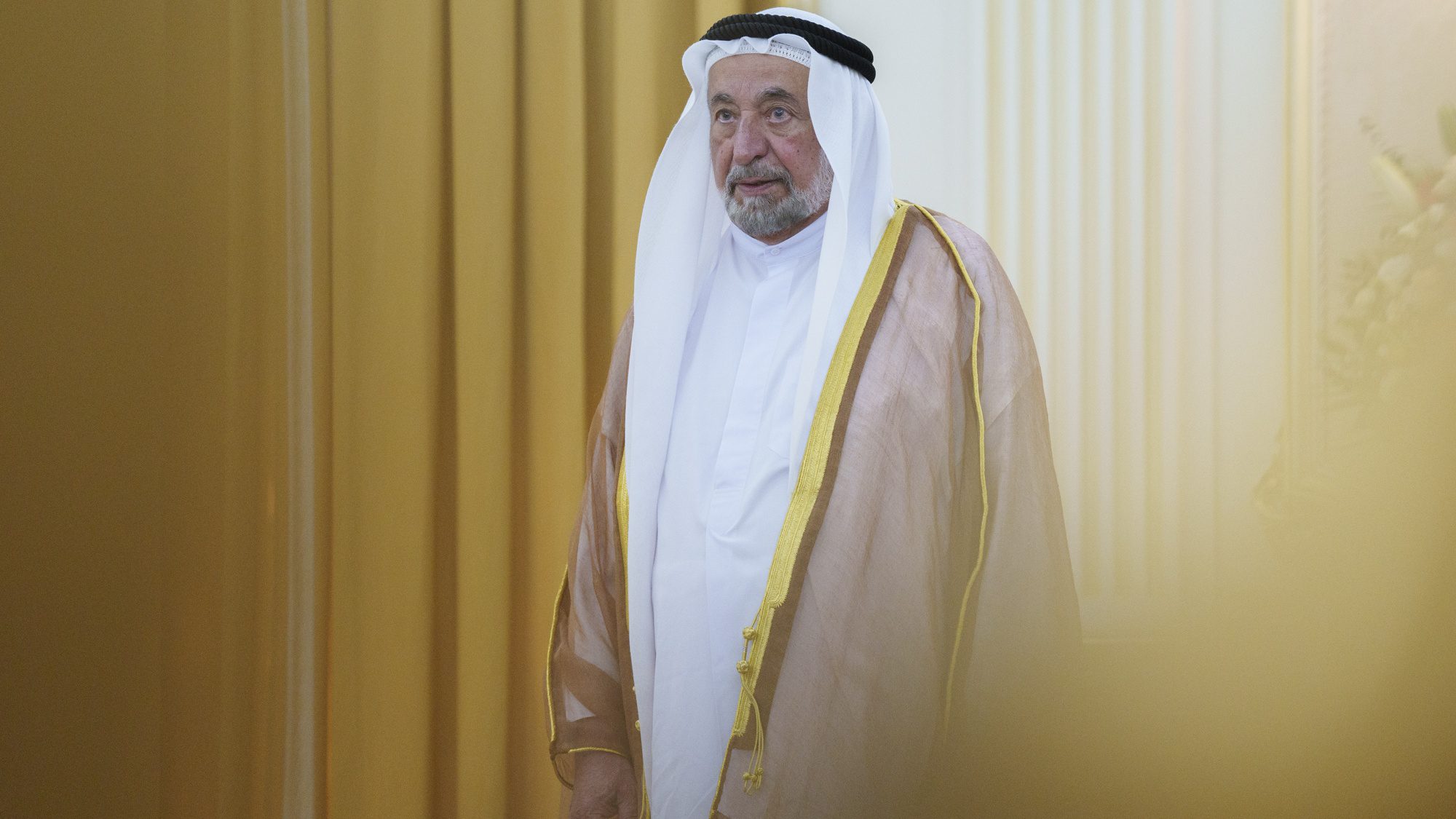
His Highness Sheikh Dr Sultan bin Mohammed Al Qasimi, Supreme Council Member and Ruler of Sharjah, has approved the emirate’s 2026 general budget, setting total expenditures at approximately AED44.5 billion. The budget is designed to promote financial sustainability, economic competitiveness, social welfare, and strategic development across Sharjah.
Strategic Objectives and Priorities
The 2026 budget emphasizes:
- Financial sustainability and efficiency in government operations.
- Economic and social development, including employment creation and enhanced citizen services.
- Infrastructure and tourism development, supporting cultural, recreational, and social tourism projects.
- Resource sustainability, focusing on energy, water, and food security.
Capital projects remain a key priority, representing 35% of total expenditures, with salaries and wages accounting for 30%, operating expenses 25%, subsidies and aid 12%, and loan repayments 15%. The budget reflects a 3% increase over 2025, with capital expenditures projected at around 2% of total spending.
Sectoral Allocation
The budget prioritizes key sectors as follows:
- Infrastructure: 35%, underlining Sharjah’s commitment to foundational development and investment attraction.
- Economic development: 30%, a 17% increase from 2025.
- Social development: 23%, up 6% from 2025, highlighting a focus on citizen welfare.
- Government administration, security, and safety: 12%, reflecting a 16% increase to strengthen institutional capacity.
Revenue Enhancements
Sharjah’s 2026 budget targets increased revenues through improved collection efficiency and digitalisation. Key highlights include:
- Overall revenue growth: 26% over 2025.
- Operating revenues: 69%, up 16% from 2025.
- Capital revenues: 10%, up 35%.
- Tax revenues: 16%, up 101% from 2025.
- Customs revenues: 3%; oil and gas revenues: 2%.
Governance, Digital Transformation, and Efficiency
Sheikh Mohammed bin Saud Al Qasimi, Chairman of the Sharjah Finance Department, noted that the budget incorporates a three-dimensional approach:
- Economic and social strategies to enhance residents’ well-being.
- Strategic financial sustainability to fund operations and capital projects.
- Government service refinement to improve efficiency, reduce costs, and stimulate the economy.
Digital transformation is central to the budget, enabling e-payment systems, streamlined processes, and enhanced service delivery. This approach supports greater competitiveness, reduces bureaucratic inefficiencies, and strengthens Sharjah’s global financial standing.
Social and Economic Impact
The budget seeks to:
- Provide employment opportunities and develop citizen skills.
- Foster a high-quality tourism landscape, including cultural, heritage, medical, scientific, and recreational tourism.
- Strengthen infrastructure, environmental protection, and public health.
- Encourage human capital development and investment in strategic sectors.
Alignment with Long-Term Vision
The 2026 budget aligns with Sharjah’s strategic financial plan for 2023–2030, emphasising expenditure control, sustainable funding, and enhanced government efficiency. It reflects the emirate’s ambition to strengthen Sharjah’s global presence across scientific, cultural, heritage, social, and environmental sectors, reinforcing its role as a dynamic hub for tourism, innovation, and economic growth.
Overall, the 2026 general budget balances financial prudence with strategic investment, supporting Sharjah’s social, economic, and infrastructure objectives while fostering competitiveness and sustainable development.
