
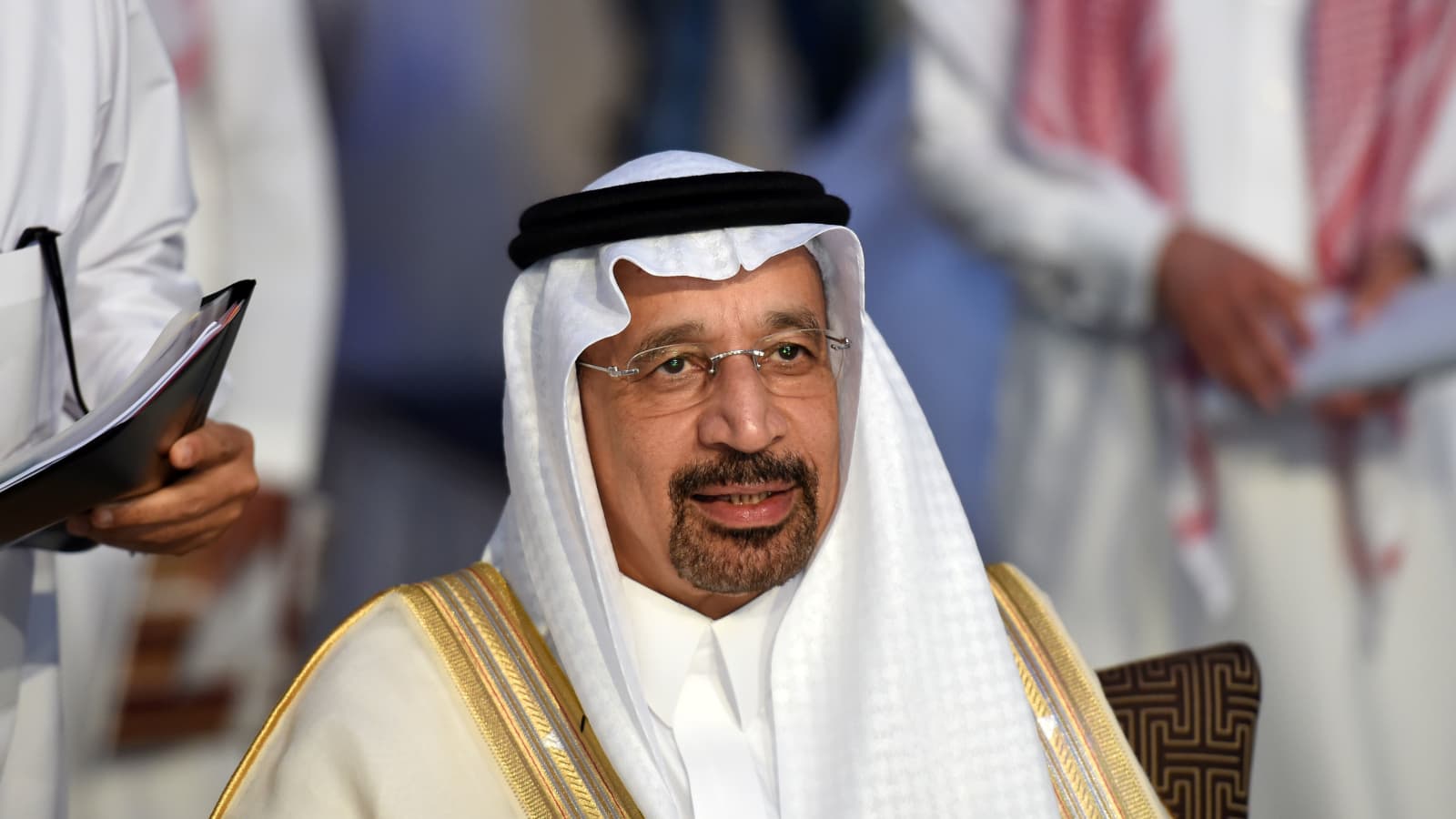
Khalid Al-Falih, Saudi Arabia’s Minister of Investment, has announced that multinational companies relocating their regional headquarters to Saudi Arabia this year with the aim of securing lucrative government contracts are more likely to receive tax exemption, according to a report in the Saudi Gazette.
Al-Falih stated that these companies will only be taxed on limited profits and are expected to be granted tax relief. He also mentioned that an announcement clarifying the regulations for multinational companies will be issued soon. Al-Falih assured that the operations outside Saudi Arabia will be taxed in their respective country of operations and will not be mixed with the regional headquarters in the kingdom. This initiative is part of the Regional Headquarters Program (RHQ), a joint venture between the Ministry of Investments and the Royal Commission for Riyadh City, which invites global companies to move their regional headquarters to Saudi Arabia.
According to the report, Al-Falih also stated that Saudi Arabia aims to avoid burdening companies with additional costs, and has recognized the need to utilize policies and regulations to prevent companies from facing additional risks or expenses in managing their regional operations, especially related to taxation.
The report also noted that Saudi Arabia, which holds the largest economy in the MENA region, has disclosed a strategy to lessen its reliance on oil revenue by positioning itself as a hub for finance and trade. To encourage multinational companies to relocate, major firms in the kingdom are planning to invest substantial amounts of money in new projects over the next decade.
The report stated that approximately 80 companies, including Siemens and Unilever, have been granted licenses to relocate their regional headquarters to Saudi Arabia, with many expected to be situated in Riyadh’s King Abdullah Financial District. PepsiCo has also announced that it has transferred its Middle East CEO’s office to the country, according to news reports.
Saudi Arabia, which imposes a 20% corporate income tax, is offering incentives to attract foreign companies, such as visa limit exemptions and recruitment quotas for Saudi nationals for 10 years. By developing a favorable business environment, the Saudi government aims to enhance economic growth and generate more employment opportunities for its citizens.
