
Ras Al Khaimah has put forward a new tourism plan, known as the Balanced Tourism plan, which aims to bring in more than 3 million visitors by 2030 while minimizing their carbon footprint. The goal is to establish the resort as the most sustainable in the Middle East by 2025. This initiative is in partnership with Earth Check, a leading organization that provides scientific benchmarking, certification, and advisory services for the travel and tourism industry. The new plan goes beyond just focusing on reducing single-use plastic and promoting recycling, as it aims to promote sustainability across multiple areas.
As the trend towards sustainable tourism gains momentum, tourist destinations and boards are making efforts to promote it. The ones that are able to set and achieve the most ambitious and practical sustainability goals will have a significant impact on the way we travel in the coming ten years. Based on a survey included in Expedia Group Media Solutions’ Sustainable Travel Study of 2022, fifty percent of customers are interested in obtaining more information about vacation spots that prioritize sustainability.
Ras Al Khaimah Tourism Development Authority and its partners developed policy commitments first, followed by benchmarks against which success would be judged. Second, two certification programmes, one for the destination and one for enterprises, will seek to generate sustainable certification for at least 30 tourist firms. Raki Phillips, CEO of Ras Al Khaimah Tourism Development Authority commented: “We’re seeing a growing number of visitors booking longer stays in the Emirate to completely switch off and enjoy as much of the unique experiences the Emirate has to offer. We want to tap into this trend and have therefore updated our holiday homes rental system to make it even easier for homeowners and operators to register, organise permits for and convert their units. This is in line with our vision for a diversified tourism and hospitality sector, adding even more accommodation options to our portfolio, and enhancing liveability to benefit our communities and visitors who want to experience the high quality of life here and discover more of our stunning Emirate.”
To address modern hot-button concerns such as over tourism, the Balanced Tourism method stresses conserving a country’s culture while also establishing sustainable communities. According to Raki Phillips, “most people only talk about the environment but forget about other factors like the local economy, population, and culture. We wanted to make sure we were considering everything from the ecosystem and heritage to businesses, too.”
“Tourism plays a crucial role in the economy of Ras Al Khaimah, accounting for approximately 5% of the GDP and providing employment opportunities for over 10,000 people.”
Inspired by Slovenia, Costa Rica, and Rwanda, the Emirate of Ras Al Khaimah will not only create its tourist industry with sustainability as a cornerstone, but will also help construct blueprints for other nations seeking sustainable tourism growth without sacrificing tourism objectives. The tourist industry is important in Ras Al Khaimah’s economy, contributing for around 5% of GDP and 10,000 employments. However, with prosperity comes additional problems, such as over tourism, population increase, and environmental harm. To address this issue, the Tourism Authority has established requirements for ecologically friendly hotels that include characteristics such as sustainability in landscaping and the implementation of food waste reduction laws.
According to Phillips, this is a project to achieve 100% integrated sustainability in all hotels, hence the programme exists to promote the adoption of sustainable practices and the use of products and services with low environmental effect. For example, the Wynn Resort, which is set to debut in 2026, is taking a bold approach to sustainability and energy efficiency, aiming for 50% renewable energy by 2030. It has already developed waste management systems that keep 26 to 100% of garbage out of landfills, cut water use, and invested in new waste-to-energy projects.
As Phillips points out, sustainability is also a question of perspective, whether you’re a developer, an existing hotel, a guest, or the entire planet. The emirate is open for tourism and loves receiving tourists, but advertising and presenting it as a sustainable destination establishes a certain expectation. Organizing gatherings like the United Nations Framework Convention on Climate Change’s COP2023 (Conference of Parties) will help create this expectation. Working with hotels on value offerings for eco-conscious customers would also be beneficial. According to Phillips, the mission is to ensure that the hospitality partners get the most out of the inventory; “We’re talking about 50% five-star inventory.”
Setting Key Performance Indicators (KPIs) and incentivizing partners with benefits such as tax offsets is the key to driving a higher average rate rather than focusing on volume business. “During Covid, we rebated 20% of the destination fee to help keep hotels afloat. Now we are adding that element into sustainability, rewarding hotels and businesses based on specific metrics being met,” Phillips said.
Ras Al Khaimah has the benefit of being a growing destination, or what Phillips refers to as a “future destination.” This provides it the option to try something new. Ras Al Khaimah is actively guaranteeing a more sustainable future by spending around $140M in 20 projects that will adhere to these new sustainability requirements.
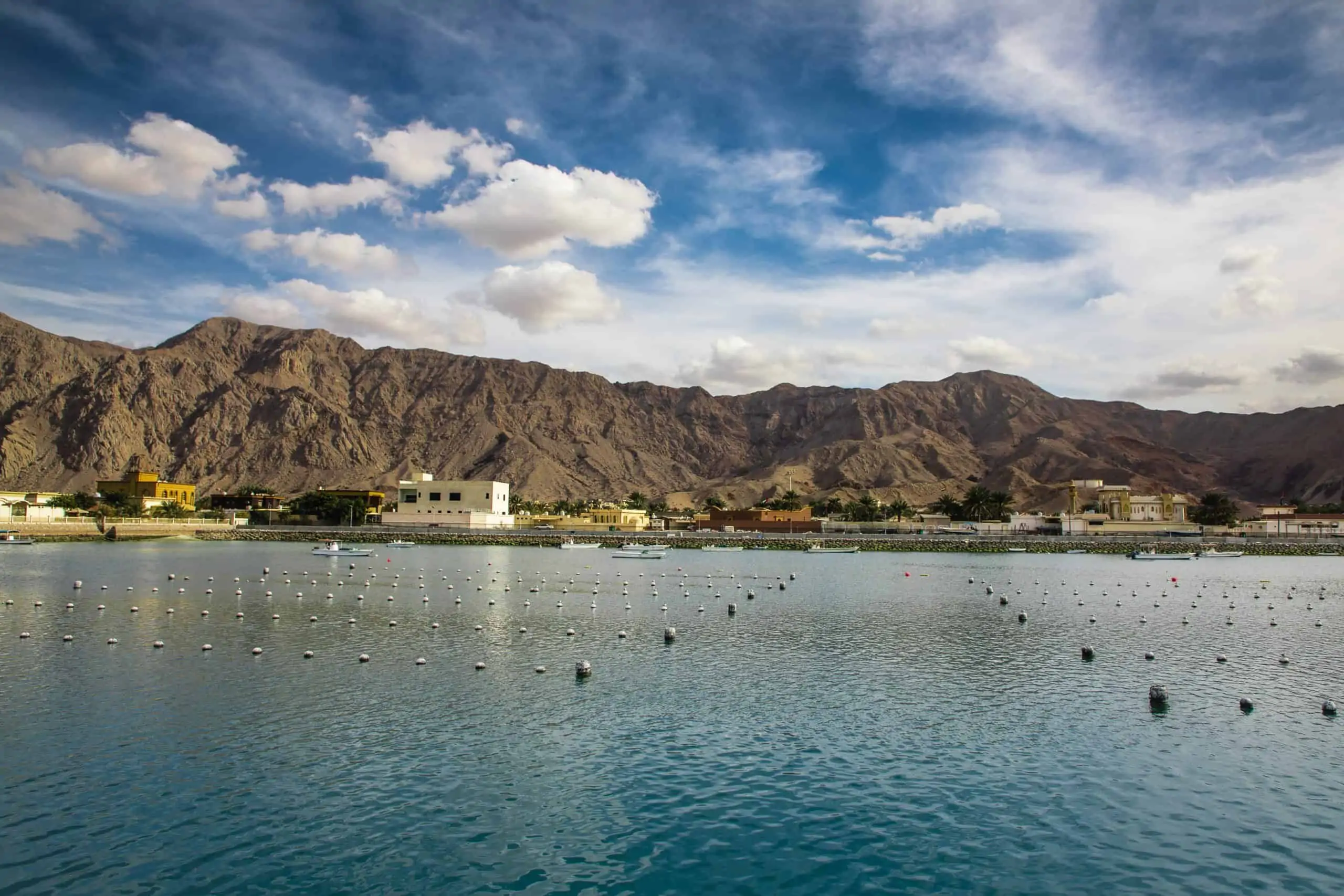
The Emirate has four cultural and historical sites on the UNESCO Tentative World Heritage List, the most of any Emirates. It protects and repairs these cultural assets as part of its sustainability plan, providing interested visitors with an alternative to congested heritage sites. Suwaidi Pearls Farm, one of the few farms in the UAE still harvesting pearls by hand, and Al Jazirah Al Hamra, an old pearling town of the Al Zaab tribe, are already part of this effort. The Ministry of Culture and Tourism is collaborating with UNESCO specialists to reconstruct the village by 2025 using traditional, sustainable materials and to provide curated cultural tours.
“Ras Al Khaimah is at the forefront of implementing a novel method of promoting sustainable tourism, as the world moves towards more sustainable forms of tourism.”
In addition, the tourism authority organises approximately 20 community events each year, including the RAK Fine Arts Festival, the RAK Half Marathon, and the DP World Tour. It also contains programmes that assist the community think more sustainably, such as its Buy RAK programme for low-carbon local suppliers, which negotiates direct transactions for local fisherman. A carbon-conscious event in December will give more knowledge.
Tourism authority RAKFAM recognises the significance of employee well-being and has launched a number of programmes to improve staff connectedness, community life, and facilities. Thanks to innovative policies focusing on employee well-being, Great Place to Work named the tourist authority the sixth-best workplace for small and medium-sized businesses in the UAE for 2022.
Ras Al Khaimah is pioneering this holistic approach to destination management not just because it’s the right thing to do, but it’s being demanded by its customers, Phillips said; “We know travellers prefer sustainable destinations.” Ras Al Khaimah is leading the way in pioneering a new approach to sustainable tourism as the globe shifts towards more sustainable kinds of tourism. The emirate has become an increasingly popular tourist destination owing to its rich culture and magnificent natural beauty, in addition to adopting a proactive approach to sustainability in recent years, developing a number of measures to guarantee that tourism to the region is performed in an ecologically responsible manner.
Furthermore, announcing the update of holiday homes system this, the Ras Al Khaimah Tourism Development Authority (RAKTDA) stated it intends to “simplify the procedure for homeowners and operators to secure licences and turn their units into suitable holiday homes”. The upgrades are part of the emirate’s ongoing efforts to diversify and strengthen its current portfolio of four- and five-star hotels and resorts, as well as to drive a sustainable tourist economy that benefits its residents.
The holiday homes system is an online registration gateway where owners and operators may register their residential units for short-term rentals. The technology will also allow owners and operators to plan inspection appointments for registered units and give a categorization service based on standard or luxury standards. This will provide simple and smooth compliance with Ras Al Khaimah’s vacation rental rules.
