
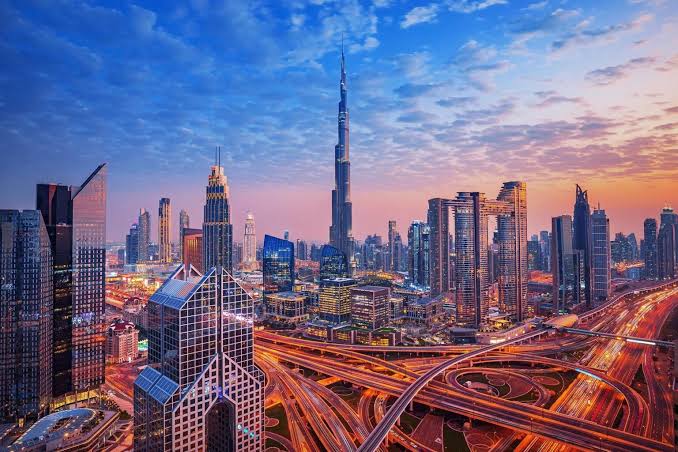
Dubai is set to undergo remarkable transformation by 2026, with a host of ambitious projects redefining the city’s landscape. From advanced transportation and luxury residential developments to lifestyle innovations and business facilitation, these initiatives aim to shape a smart, connected, sustainable, and world-class city for the future.
1. Transportation & Mobility
Electric Flying Taxi Service (Urban Air Mobility) – Scheduled for commercial launch in 2026, this aerial transport network promises to cut commute times significantly (for example, DXB to Palm Jumeirah in just 12 minutes). Initial routes will link major hubs such as DXB, Dubai Mall, and Atlantis The Royal. Authorities are expected to address noise and safety regulations, while accessibility and fair pricing remain key priorities. Over time, the network could expand, potentially including personal eVTOLs.
Etihad Rail Passenger Service – Also set for launch in 2026, the passenger service will connect all seven emirates, complementing the existing freight network. It will enable faster inter-emirate travel (Abu Dhabi to Dubai in 57 minutes), foster economic ties, enhance tourism, and strengthen national connectivity.
2. Residential & Urban Marvels
Palm Jebel Ali – The revival of this mega-island project is expected to see the first villas completed around 2026. Designed to exemplify Dubai’s long-term vision, it will offer expansive shorelines, luxury living, and high environmental standards, targeting ultra-high-net-worth individuals.
Record-Breaking Luxury Towers – Burj Binghatti Jacob & Co Residences aspires to be the world’s tallest residential tower, while Ciel Tower aims for the tallest hotel title, both slated for completion around 2026. These developments underscore Dubai’s luxury real estate strength and architectural daring, featuring high-end partnerships and exclusive amenities.
Themed Residential Communities – By 2026, Dubai expects 120,000 new residential units. Developments such as DAMAC Lagoons, inspired by Morocco and Venice, and Sobha Estates, featuring ultra-luxury villas, cater to a wide spectrum of buyers. Master developers like Emaar, DAMAC, and Sobha offer options from family-oriented estates to resort-style communities, reinforcing Dubai’s reputation for integrated, master-planned living.
3. Lifestyle & Business Enhancements
Therme Dubai – Islands in the Sky – A sustainable wellness facility in Zabeel Park, opening in 2026, featuring botanical gardens and thermal pools. The project signals Dubai’s move towards eco-conscious luxury and holistic well-being, strengthening its position as a pioneer in innovative leisure tourism.
Open Doors Initiatives – The introduction of the Unified GCC Visa and fully digital processes for 100% foreign-owned business setups reflect Dubai’s commitment to global engagement. These measures are expected to accelerate tourism, attract foreign investment, and reinforce Dubai’s status as a leading innovation hub.
New Sugar Tax Rules – Effective 1 January 2026, a tiered excise tax on sugary drinks will apply based on sugar content, part of a broader GCC health initiative. The policy aims to promote healthier lifestyles and encourage industry reformulation, while sparking debate on consumer pricing and choices.
Dubai has always aimed beyond the ordinary. By 2026, these transformative projects will not only demonstrate architectural and technological ambition but also showcase a city striving for sustainability, connectivity, and luxury. From flying taxis and high-speed rail journeys to futuristic wellness experiences, life in Dubai is poised to become more dynamic than ever.
These initiatives are about more than growth, they are about creating a city that works smarter, lives greener, and welcomes the world. For residents, investors, and travellers alike, the Dubai of tomorrow is taking shape today, and it promises to be spectacular.
