
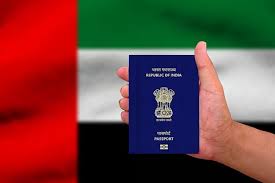
The Times of India reported on 12 February that New Delhi’s RFID chip-enabled e-Passport is now fully accessible through the Indian Embassy in Abu Dhabi and the Consulate in Dubai. Authorities are urging the UAE’s 3.5 million-strong Indian diaspora to transition to the upgraded document to benefit from faster processing and enhanced security features.
The biometric passport securely stores encrypted facial and fingerprint data in line with International Civil Aviation Organization (ICAO) standards. At UAE airports, travellers can access automated SmartGates, reducing immigration processing times from around 25 minutes to less than five, based on pilot programme data referenced by officials.
Migrants and HR teams seeking a streamlined process can manage applications through VisaHQ. Its UAE-based specialists assist with appointment bookings, documentation checks and courier delivery of the newly issued passport, offering a more efficient end-to-end service.
For employers, the e-Passport can significantly shorten travel time for Indian professionals, who represent a substantial portion of regional project talent. Enhanced security features also mitigate identity fraud risks that could otherwise disrupt employment visa procedures and onboarding timelines.
The initiative forms part of India’s Passport Seva Programme 2.0 and aligns with the UAE’s broader shift towards paperless border systems. Dubai intends to eliminate physical boarding passes by 2027. Mobility teams are advised to incorporate e-Passport guidance into relocation protocols and encourage early biometric bookings amid rising demand.
Wider adoption may also facilitate access to fast-track immigration channels in other e-Passport-enabled jurisdictions, supporting smoother onward deployments across the GCC, Europe and Asia for Indian professionals residing in Dubai or Abu Dhabi.
