
Most central banks across the Gulf Cooperation Council (GCC) have reduced their benchmark interest rates by 25 basis points, mirroring the U.S. Federal Reserve’s latest rate cut — the second reduction this year.
The Fed’s decision was not unanimous, with two members opposing the move, and Chair Jerome Powell signalling that another rate cut in December is not guaranteed.
Because most GCC currencies are pegged to the U.S. dollar, regional central banks typically align their monetary policies with the Fed’s actions. The exception is Kuwait, whose dinar is linked to a currency basket rather than solely to the dollar.
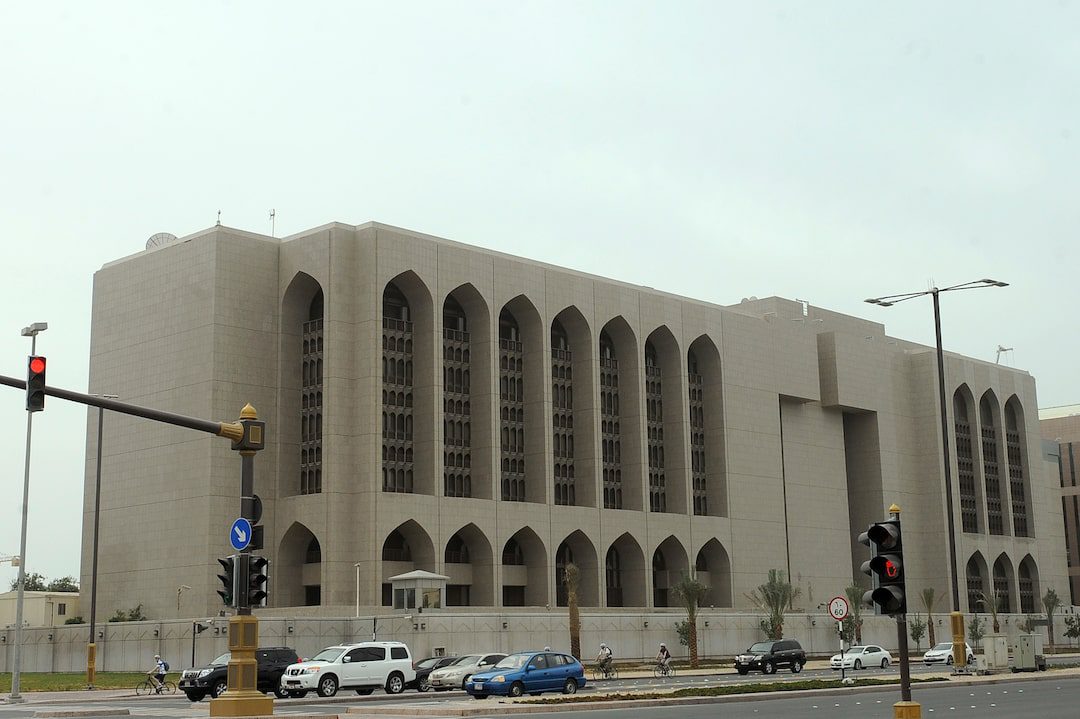
In Saudi Arabia, the central bank (SAMA) lowered its repo rate by 25 basis points to 4.50% and the reverse repo rate to 4.00%. The Central Bank of the UAE also reduced the rate on its overnight deposit facility to 3.90%.
Other GCC central banks, including those in Qatar, Bahrain, and Oman, followed suit with similar 25-basis-point cuts. Kuwait, however, opted to maintain its current interest rate levels, citing the appropriateness of its existing monetary stance.
These rate adjustments come at a time of moderate inflation across the Gulf and ongoing efforts to diversify economies away from oil. Lower borrowing costs are expected to encourage investment and growth in key non-oil sectors such as real estate, manufacturing, and tourism.
