
The Federal Reserve increased interest rates by 0.75% again on Wednesday and declared that the fight against inflation will necessitate further increases in borrowing costs, but it also hinted that it might be nearing an inflection point in what has become the fastest tightening of U.S. monetary policy in 40 years.
The dual message gave policymakers room to raise rates further if inflation doesn’t start to slow down while also leaving open the possibility that the U.S. central bank will raise rates in smaller steps in the future, ending its string of three-quarters-of-a-percentage-point hikes as early as December in favor of more moderate increases of perhaps half a percentage point.
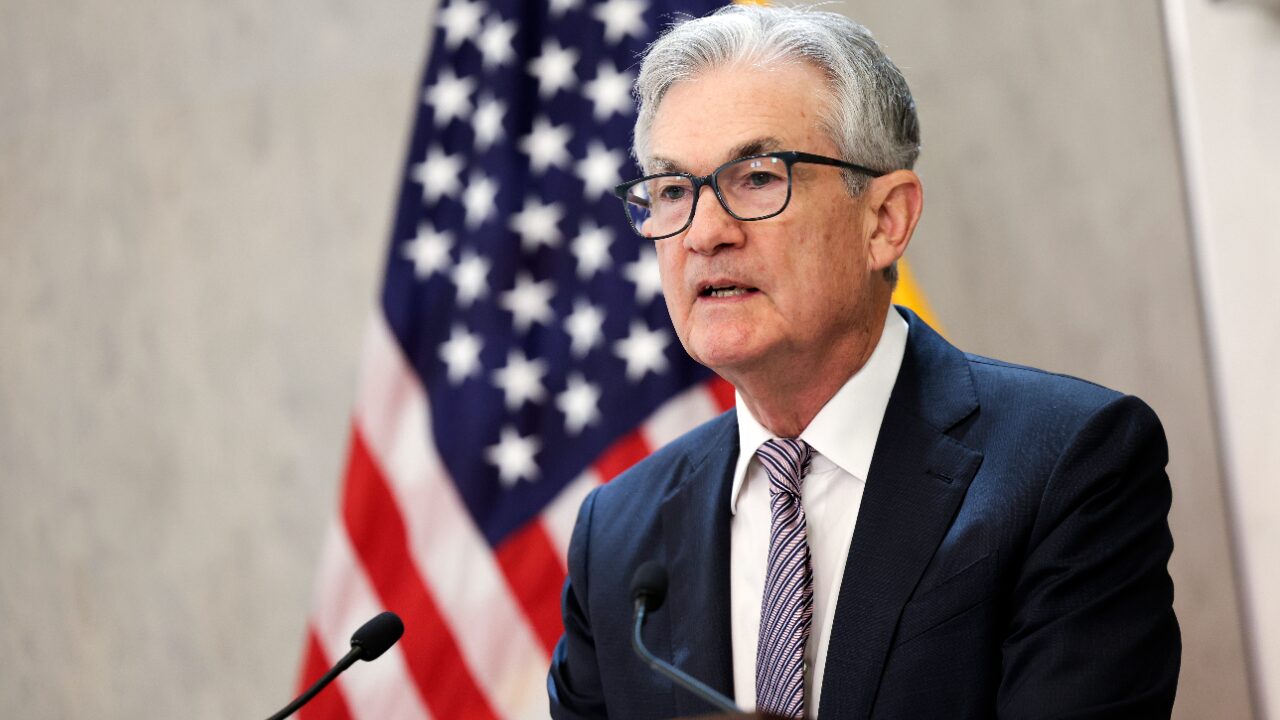
Fed Chair Jerome Powell, speaking in a news conference after the end of the central bank’s latest policy meeting, said he wanted no confusion on that point: Even if policymakers do scale back future increases, he said, they were still undecided about just how high rates would need to rise to curb inflation, and were determined to “stay the course until the job’s done.”
Regardless of how fast the Fed moves, “there’s some ground to cover” for the target federal funds rate to reach a “sufficiently restrictive” level that will slow inflation, Powell said. The final destination is “very uncertain … We’re going to find it over time.”
“The question of when to moderate the pace of increases is much less important than the question of how high … and how long to keep monetary policy restrictive,” he said, adding that it was “very premature” to discuss when the Fed might pause its increases.
Major U.S. stock indices spiked after the release of the Fed’s statement, which promised to take economic risks more clearly into account in deciding the size of any further rate increases, but erased those gains as Powell spoke and ended the day sharply lower. The S&P 500 index (.SPX) fell 2.5% and the Nasdaq Composite (.IXIC) slid more than 3%.
Yields on U.S. Treasury securities, which had dropped sharply after the Fed statement was released, turned higher. The 2-year note – the bond maturity most sensitive to Fed policy expectations – was up 6 basis points to about 4.61%.
Bill Nelson, a former top Fed staffer who is now chief economist at the Bank Policy Institute, said ahead of Powell’s news conference that the Fed’s policy statement appeared to set the central bank up for more rate hikes before its tightening cycle is completed, delivered at a possibly slower pace.
The document “implied that (the Fed) may be aiming for a higher medium-term level for the fed funds rate than currently expected,” Nelson said.
Subscribe to Updates
Get the latest creative news from FooBar about art, design and business.
Related Posts

The preferred magazine of choice by the entrepreneurs, business leaders and the industry veterans in the MENA region.