
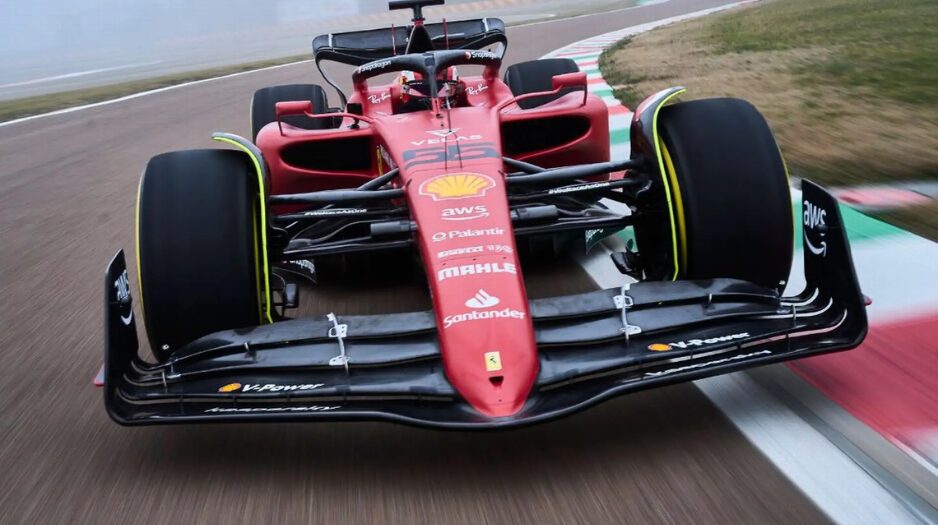
Starting from the Spanish Grand Prix, stricter load tests for front wings will take effect. These updates aim to address flexibility concerns and promote fair competition among all Formula 1 teams. Engineers have long experimented with designs that adjust drag and balance at different speeds, prompting regulators to act.
The new directive introduces tougher load-deflection tests for several components, including the front wing, upper rear wing, and beam rear wing. According to FIA Single Seater Director Nikolas Tombazis, “When championship battles become intense, teams tend to focus on each other’s cars a lot, and naturally they raise concerns and over the latter half of the season we came to the conclusion that we needed to toughen a bit more the tests for 2025.”
These changes are arriving mid-season because they were finalized late in 2024. Cameras fitted on cars after the Belgian Grand Prix confirmed the need for firmer testing standards. Tombazis explained, “That conclusion was arrived at quite late in the year, however, and we felt that if we had introduced extra tests at the start of this season, it would have been tough on teams and may have led to existing front wings being scrapped, and extra expense. Therefore, we felt that deferred introduction was more sensible.”
Overall, the rule adjustments aim to prevent flexible designs from offering unfair advantages while ensuring teams have time to adapt without incurring excessive costs.
How the Load Tests Will Work
The updated tests are defined under Articles 3.15.4 and 3.15.5 of the 2025 Technical Regulations. They focus on reducing flexibility across both the front wing bodywork and flaps. Previously, up to 15mm of vertical deflection was allowed under a 100kg load when applied symmetrically, and 20mm when applied to one side. From Spain onward, those limits decrease to 10mm and 15mm, respectively.
Additionally, flap flexibility has been tightened. The allowed deflection drops from 5mm to 3mm under a 6kg point load. This adjustment should make it more difficult for teams to exploit bending elements that can alter aerodynamic performance at high speeds.
To ensure compliance, regular inspections will continue throughout the season. Tombazis stated, “We check the teams at various points across the season and we ask them to bring certain components along and we’ll check them in isolation and sometimes test them on the whole car.” Many of these checks will occur under parc fermé conditions, meaning teams cannot alter their cars, which guarantees full transparency during evaluations.
Lessons from Rear Wing Regulations
This front wing update mirrors previous steps taken for the rear wing earlier in 2025. The permitted movement under 75kg of load was reduced from 2mm to just 0.5mm after officials identified the “mini-DRS effect.” Tombazis remarked, “The 2025 regulations were designed to counteract the so-called ‘mini-DRS effect’ that became quite a talking point in the autumn of last year. That test was applied from the start of the season, but it soon became apparent it was insufficient.”
Similar vigilance will now apply to the front wing. Regular and precise testing will prevent overly flexible configurations from influencing performance during races. Furthermore, post-race inspections may be conducted if suspicions arise. These tests will follow the static load procedures described in Article 3.15, reinforcing the sport’s commitment to fairness and technical integrity.
