
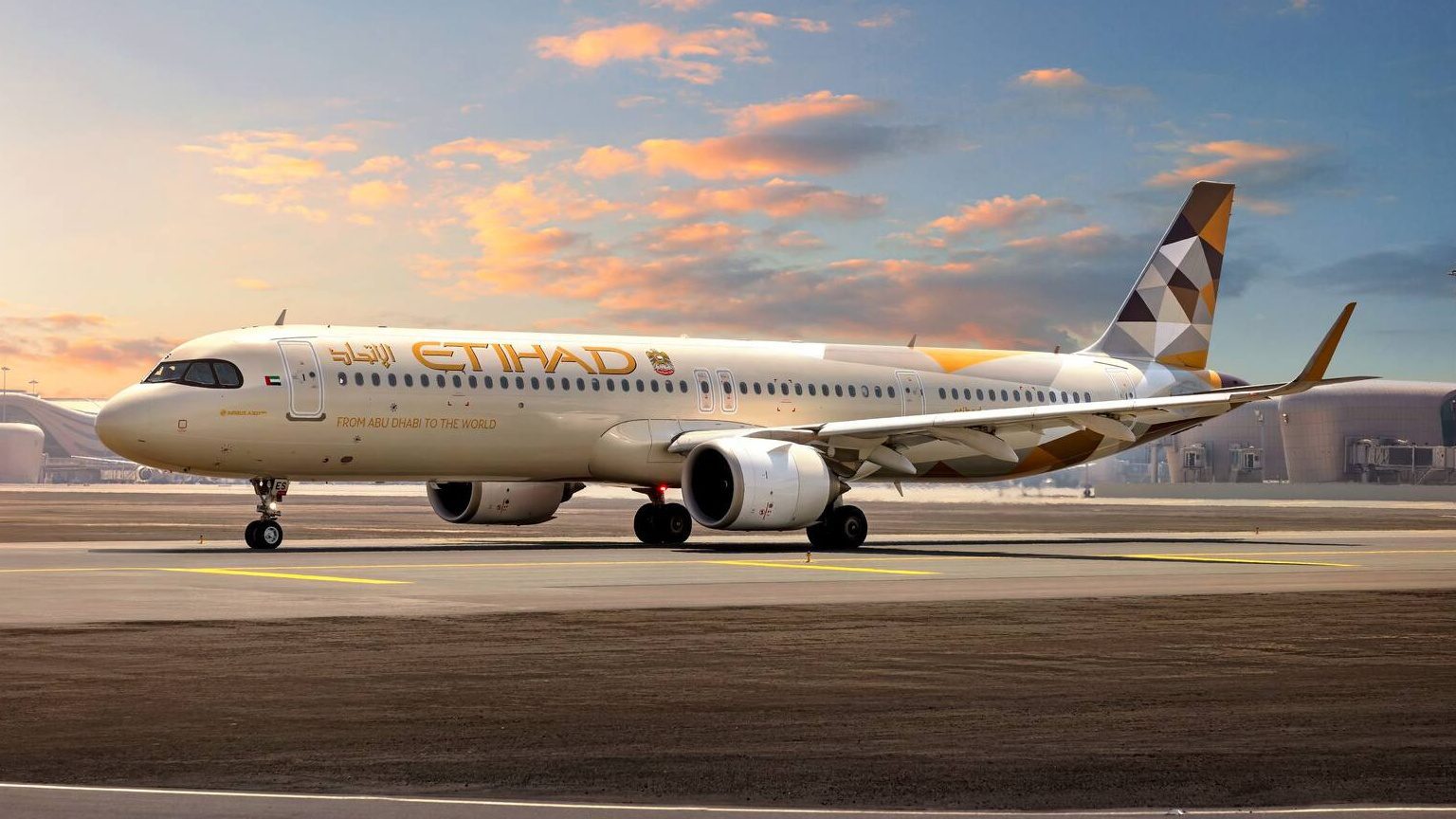
Etihad Airways carried a record 22.4 million passengers in 2025, reflecting a 21 per cent year-on-year increase, supported by strong travel demand and continued fleet expansion.
This performance was underpinned by steady passenger demand and a carefully managed increase in capacity across the airline’s expanding global network.
For the full year, the carrier reported a passenger load factor of 88.3 per cent, up two percentage points compared to 2024, underscoring consistent commercial strength throughout the year.
The airline ended the year on a positive note, flying 2.2 million passengers in December alone, representing a 28 per cent rise compared to the same month in 2024.
During the peak year-end travel period, Etihad achieved a monthly load factor of 87.6 per cent, maintaining high levels of aircraft utilisation.
By the close of 2025, Etihad’s operating fleet had reached 127 aircraft following the addition of 29 planes, marking the largest single-year fleet expansion in the airline’s history.
The growth programme included the introduction of the Airbus A321LR, allowing Etihad to extend its premium cabin offering to a wider range of short- and medium-haul destinations while supporting further network expansion.
Etihad’s growth during the year accounted for around half of the total increase in passenger traffic across the UAE, based on reported national airline traffic projections.
The results highlight the airline’s important role in advancing Abu Dhabi’s tourism strategy and supporting the emirate’s broader economic objectives.
Commenting on the performance, CEO Antonoaldo Neves said 2025 marked a period of strong growth for Etihad, with more than 22 million passengers carried and continued improvements in service quality. He noted that closing the year with momentum and the largest fleet in the airline’s history positions Etihad to attract more visitors to Abu Dhabi and deliver exceptional travel experiences across its rapidly expanding network.
