
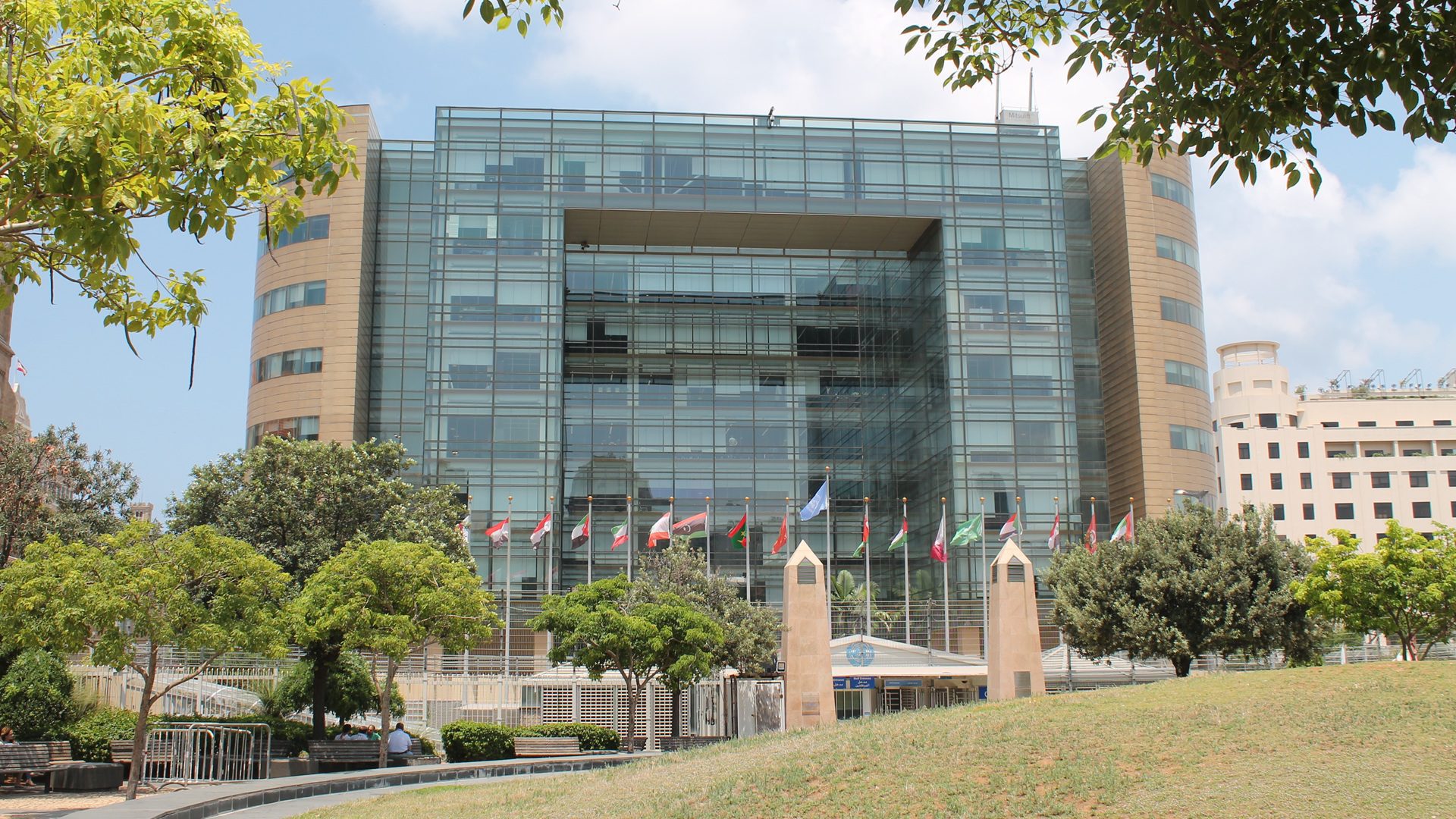
United Nations Economic and Social Commission for Western Asia (ESCWA) has projected a gradual economic recovery across the Arab region, despite persistent geopolitical and financial pressures.
Growth Outlook Improves Despite Uncertainty
In its report titled “Macroeconomic Outlook in the Arab Region”, ESCWA forecasts regional growth to rise from 2.9 percent in 2025 to 3.7 percent in 2026. However, the outlook remains shaped by escalating geopolitical tensions and mounting global financial uncertainty, which could weigh on sustainable and inclusive growth.
Regional inflation is expected to ease from 8.2 percent in 2025 to 5.4 percent by 2027. This decline will likely be supported by moderating commodity prices and the normalisation of global supply chains. At the same time, total exports are projected to expand, driven in part by stronger non-oil export performance.
Acting ESCWA Secretary Mourad Wahba said: “This improvement is underpinned by ongoing economic diversification efforts, particularly in high-income countries, fiscal reform measures, and increased investment in non-hydrocarbon sectors. Nevertheless, the region remains highly exposed to external imbalances, especially amid continued uncertainty surrounding global tariffs and disruptions to regional trade flows.”
Diverging Trends Across Income Groups
Growth trajectories vary across country groupings. High-income economies are expected to see GDP growth increase from 3.3 percent in 2025 to 4.2 percent in 2026, supported by diversification strategies. Meanwhile, middle-income countries are projected to record growth of 3.3 percent in 2026, up from 2.8 percent in 2025, despite persistent debt burdens and inflationary pressures.
In contrast, low-income countries continue to face acute fiscal and humanitarian challenges. Following a contraction of 0.9 percent in 2025, only a limited recovery is anticipated in 2026 and 2027.
The report also highlights the humanitarian crisis in Gaza Strip, where reconstruction costs are estimated at approximately $70 billion. Nearly 78 percent of buildings have been affected amid widespread destruction and loss of life.
Innovation in Economic Forecasting
ESCWA introduced a new analytical framework in this edition of the report. The commission applied machine learning-based nowcasting models, piloted in Egypt and Saudi Arabia, to generate near real-time GDP estimates.
“These models generate near real-time GDP estimates by integrating conventional and unconventional data sources, thereby enhancing analytical accuracy and enabling more timely responses to decision makers’ needs,” Wahba underscored.
Looking ahead, the report urges Arab economies to deepen diversification efforts and reduce hydrocarbon dependence. It also calls for stronger investment in human capital, digital transformation and public financial management. In addition, policymakers are encouraged to enhance domestic revenue mobilisation, align aid flows with national priorities and strengthen labour market resilience amid rapid technological change.
