
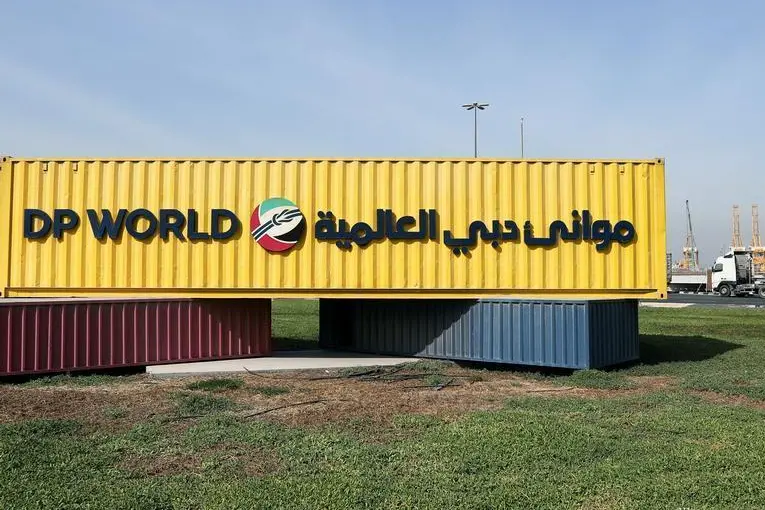
DP World has officially begun operations at Tartus Port following a formal handover from the Syrian General Authority for Land and Sea Ports, and has also welcomed the new harbour tug Al Fath into service.
This development represents a significant milestone under DP World’s 30-year concession agreement for Tartus Port, which includes a planned $800 million investment—one of the largest international contributions to Syria’s logistics sector in recent years. The concession aims to support Syria’s economic recovery and transform Tartus into an efficient trade and logistics hub.
Fahad Al Banna, CEO of DP World Tartus, said, “We have embarked on a journey to transform Tartus Port into a world-class maritime gateway. By working closely with the Syrian government and the General Authority for Land and Sea Ports, we are applying DP World’s global expertise to create a modern, digitally enabled port that will boost trade, generate opportunities, and position Tartus as a key hub in the Eastern Mediterranean.”
Harbour tugs play a crucial role in guiding large vessels through confined spaces and responding to marine emergencies. They enhance safe and reliable ship operations, improve berth approaches, reduce turnaround times, and increase overall port safety. The newly arrived 22-metre Al Fath features a 50-tonne bollard pull and is equipped with class-rated firefighting water cannons.
DP World is undertaking a comprehensive assessment of the port’s infrastructure, including equipment, quay readiness, and yard and warehouse facilities. This phase involves technical surveys, operational studies, and design planning to develop a detailed redevelopment roadmap.
In the short term, efforts will focus on dredging port access channels, basins, and berths to achieve optimal design depths. Rehabilitation and replacement of existing handling equipment, alongside the introduction of new specialised assets, will enable the port to meet growing demand for bulk and breakbulk cargo.
DP World will also deploy its proprietary digital platforms to improve operational efficiency and transparency. Staff training and process optimisation will run in parallel to enhance productivity and reduce vessel turnaround times to international standards. Throughout, the company is prioritising the highest safety standards with comprehensive audits and training programmes.
