
Markets rose on Thursday after the US Federal Reserve downplayed the likelihood of a significant interest rate hike in the near future, while oil rose as the European Union attempted to prohibit Russian imports.
As part of its fight against inflation, the US central bank announced a half-point increase in borrowing costs — the largest since 2000 — as well as a timeline for selling off its massive asset holdings.
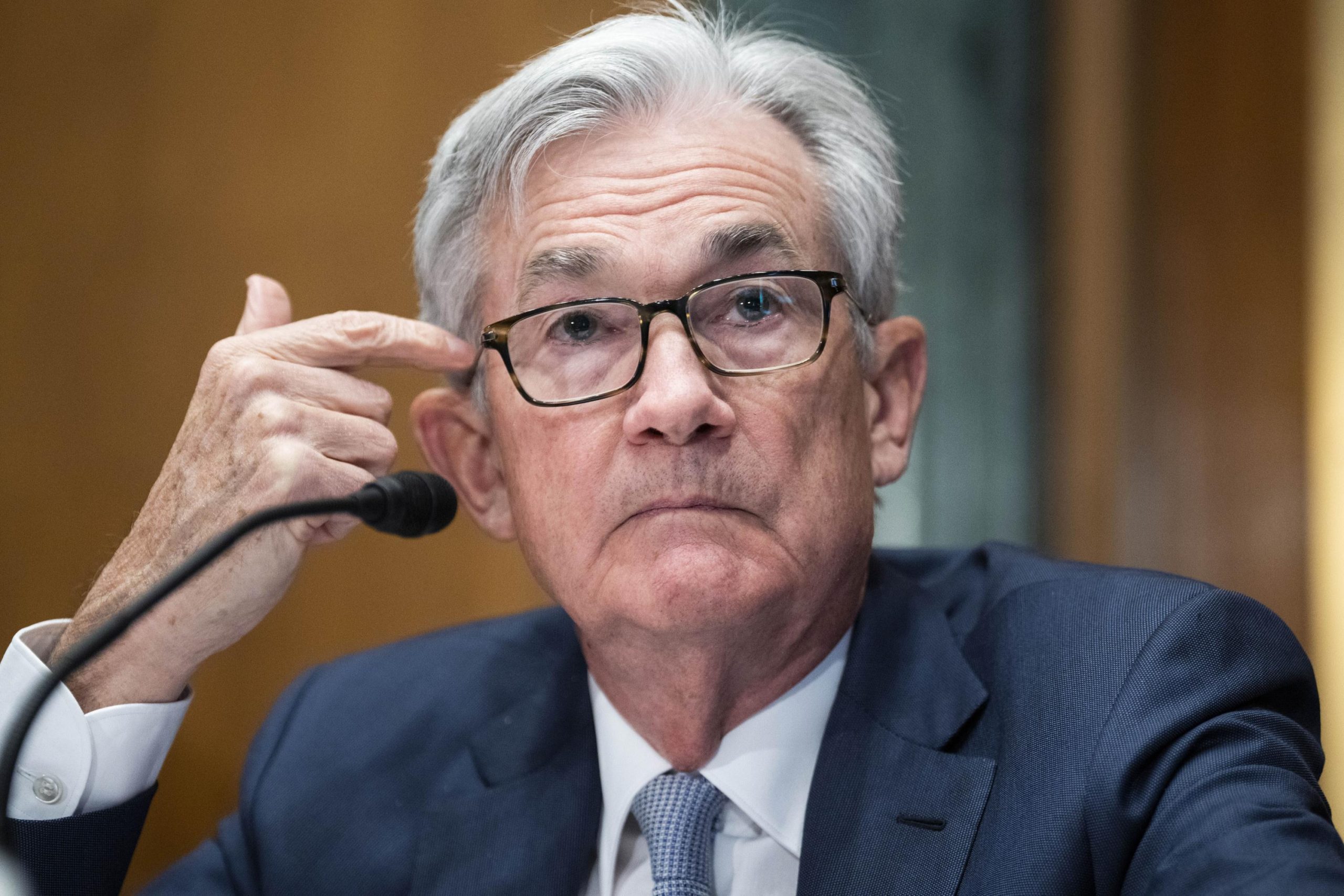
Traders were given some much-needed relief, however, when Fed Chairman Jerome Powell indicated a 75 basis-point hike, which had been predicted by many, was “not something the committee is actively considering.”
While Powell hinted at more 50-point hikes in the future, the news fueled a rally on Wall Street, with all three major indexes adding around 3% mainly to a spike in technology companies, which are the most vulnerable to higher rates.
“This was a sign of relief,” JP Morgan Asset Management’s Clara Cheong said. “Investors had come into the meeting fearful that the committee would be overly aggressive in tightening monetary policy.”
She went on to say that if inflation began to moderate, the Fed would be able to be less active in its pursuit of price stability while also nurturing the post-pandemic economic recovery.
“While it remains to be seen if the Fed can pull off this delicate balancing act and engineer a smooth landing,” Cheong added, “for the time being, we believe the US economy is robust enough to endure higher rates.”
“However, there is still a chance that an overly aggressive approach would tip the economy into a minor recession in 2023.”
Sydney, Taipei, Mumbai, Manila, Bangkok, and Wellington also saw gains as a result of the gains in New York. Hong Kong and Singapore, on the other hand, fell after giving up early gains.
Shanghai rose after returning from an extended hiatus, though statistics showed that activity in China’s services sector plummeted to its lowest level since the outbreak began, dampening optimism.
The news bolstered the argument that China’s draconian zero-Covid policies are wreaking havoc on the world’s second-largest economy. In the morning, London, Paris, and Frankfurt were all awake.
“Removing some of the uncertainty is beneficial in getting some of the cash that’s been sitting on the sidelines back into the markets, whether it’s bonds or equities,” Main Street Asset Management’s Erin Gibbs told Bloomberg Television.
The Fed’s rate hike was the latest in a string of moves by central banks around the world to keep inflation under control, and it came ahead of the Bank of England’s planned rate raise later Thursday.
The fact that Turkish inflation hit 70% in April underscored the difficulty central bankers have in keeping prices under control.
