
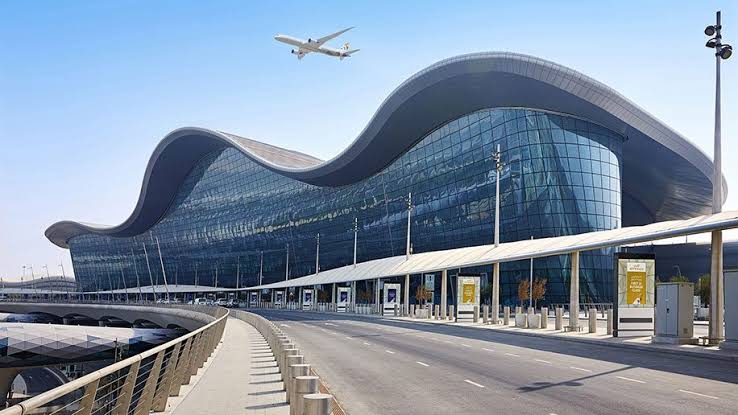
Abu Dhabi Airports announced on Monday that passenger traffic increased by 13.1 percent in the first half of the year, reaching 15.8 million, despite periodic disruptions to air travel in the Middle East caused by regional conflicts.
Zayed International Airport (AUH), the primary aviation hub of the UAE capital, accounted for the majority of the traffic. It handled 15.5 million passengers, marking a 13.2 percent rise compared to the same period last year.
The number of flights at AUH also climbed, with nearly 94,000 aircraft movements recorded in the six months ending 30 June, reflecting an 11.4 percent increase.
Abu Dhabi Airports noted that several new airlines had joined its network, expanding the number of destinations served, particularly in China and India. The company also observed steady demand for both tourism and business travel, although specific details were not provided.
This growth occurred in spite of regional disruptions, including a 12-day conflict between Israel and Iran last month that led to temporary airspace closures in parts of the Gulf and forced airlines to cancel or reroute services.
Etihad Airways, the capital’s national carrier, suspended flights to Israel for several weeks in June and temporarily halted operations on routes to Kuwait, Doha and Dammam in Saudi Arabia.
