
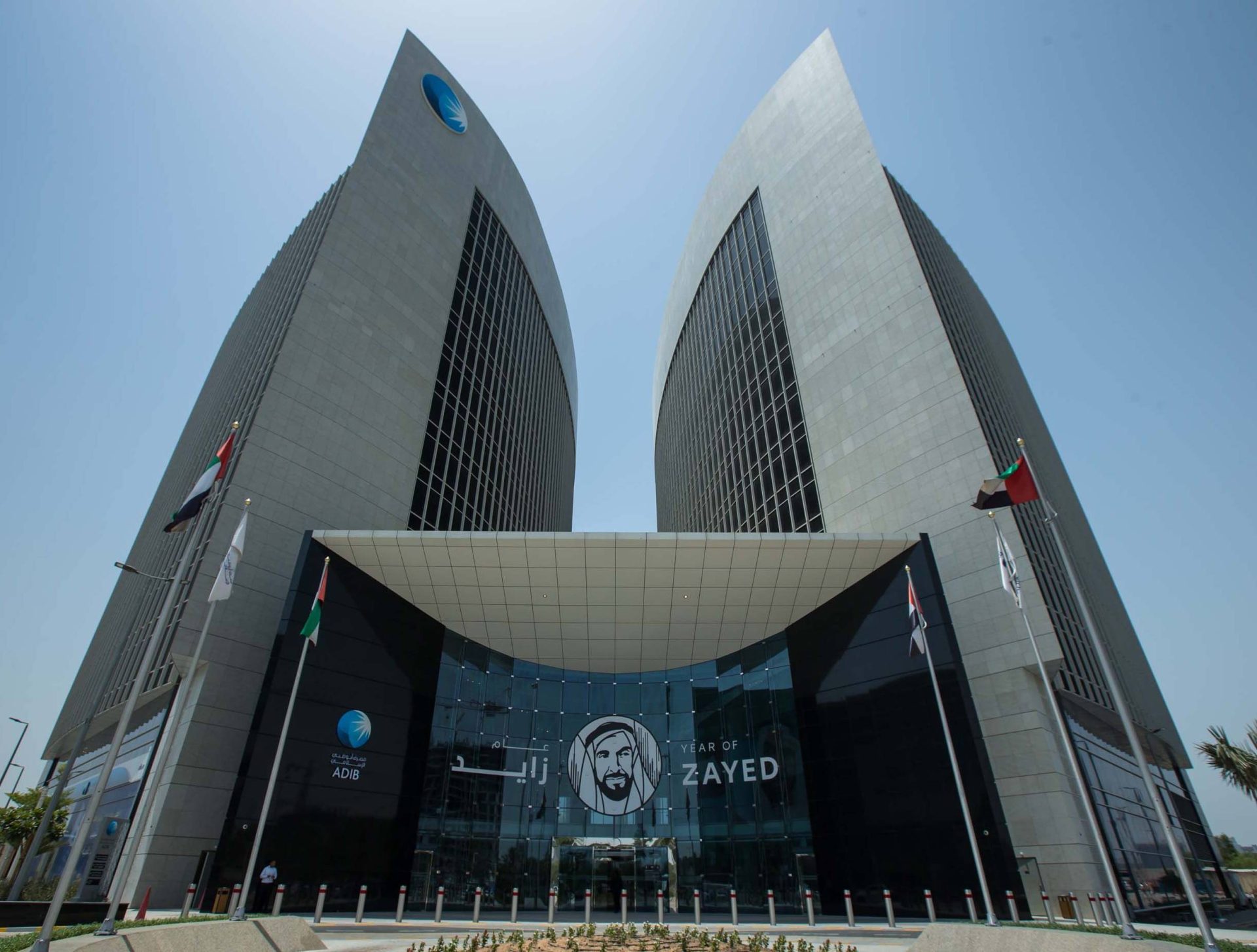
Abu Dhabi Islamic Bank (ADIB) has reported mobilising AED17 billion ($4.7 billion) in sustainable finance by the end of 2024. The achievement places the bank firmly on track to meet its AED60 billion commitment by 2030, reinforcing its role in driving ethical and climate-aligned finance in the region.
This milestone aligns with the release of ADIB’s 2024 Sustainability Report, which outlines strategic progress across environmental, social, and governance (ESG) pillars. The report supports national frameworks such as the UAE Net Zero 2050 strategy and the UAE 2031 vision.
First Sectoral Decarbonisation Targets in Islamic Finance
A key highlight of the report is ADIB’s release of its first sector-specific financed emissions targets, positioning it as the first Islamic bank in the region to adopt interim 2030 goals. These cover six high-emission sectors, including real estate, utilities, and home finance, aligned with International Energy Agency (IEA) Net Zero scenarios and the UAE’s decarbonisation roadmap.
To further align with international disclosure standards, ADIB conducted a double materiality assessment under the European Sustainability Reporting Standards (ESRS). This assessment identified material impacts, risks, and opportunities across environmental, social, and governance domains, ensuring that both financial and societal implications of the bank’s operations are well understood and addressed.
Green Sukuk Proceeds Drive Climate Impact
ADIB also released its inaugural Green Sukuk allocation and impact report for the $500 million Green Sukuk issued earlier. As of December 2024, 90% of the proceeds have been allocated to projects focused on renewable energy, energy efficiency, and sustainable water infrastructure. These investments are estimated to avoid over 607,000 tonnes of emissions annually.
Operational sustainability improvements were also noted, with the bank achieving an 87% reduction in Scope 1 emissions compared to 2022, alongside a 3.51% drop in Scope 2 emissions. These gains stem from enhanced energy efficiency, electrification initiatives, and optimisation across ADIB’s group-wide operations.
Leadership Commitment to Ethical, Inclusive Banking
Commenting on the progress, Mohamed Abdelbary, Group Chief Executive Officer of ADIB, stated:
“Putting sustainability at the heart of what we do is one of the three key pillars of our 2035 vision. We’re proud of the progress we’re making, and how we’re using our financing to contribute to the transition of our customers and the economy. From leading the region in green sukuk to setting the benchmark on sectoral decarbonisation, we are taking decisive steps toward a low-carbon future.”
He added: “Our double materiality assessment reinforces ADIB’s commitment to credible, decision-useful disclosure. It ensures we understand not only how sustainability impacts our business but how our business impacts the environment, society and economy. This is central to how we plan, report and act.”
Expanding Social Impact Through Emiratisation and Inclusion
ADIB also reported strong progress on its social responsibility agenda. Emiratisation reached 44%, with women representing 72% of new UAE national hires and 39% of the overall workforce—supporting national inclusion objectives and workplace diversity.
