
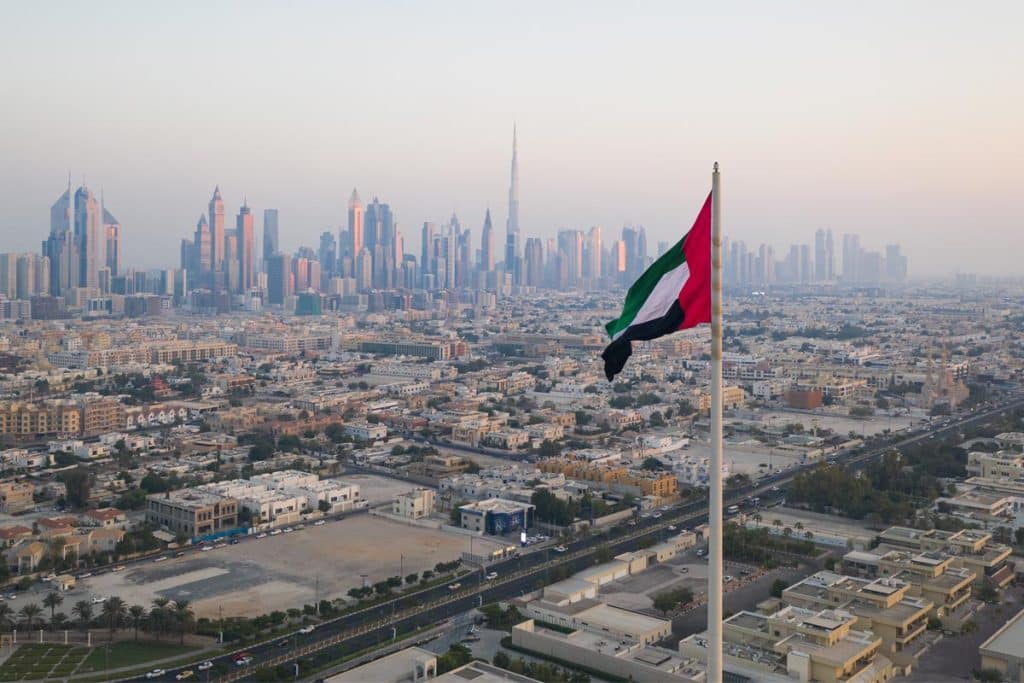
The United Arab Emirates and Saudi Arabia recorded significantly higher capital inflows than outflows in 2024, reflecting increasing investor confidence and a surge in foreign direct investment (FDI), according to a United Nations report.
Figures from the UN Conference on Trade and Development (UNCTAD) show that the UAE attracted USD 30.7 billion (AED 112.7B) in FDI last year, while its outward investments reached USD 25.9 billion (AED 95.1B). Saudi Arabia received USD 19.2 billion (SAR 72B) in inbound FDI, compared to USD 16.2 billion (SAR 60.8B) in outbound investment. UNCTAD stated that this reinforces both nations’ growing role as leading destinations for international capital within the Middle East.
The report attributed this positive trend to major structural reforms, focused economic diversification, and comprehensive national strategies designed to appeal to global investors and reduce dependence on oil revenues. In the UAE, these efforts support broader development goals, including the “We the UAE 2031” agenda, which targets a doubling of the national economy and an increase in foreign trade.
Similarly, Saudi Arabia’s Vision 2030 programme underpins its economic transformation, prioritising investment in non-oil sectors such as tourism, logistics, and clean energy to diversify income sources and attract international capital.
UNCTAD also pointed to the rise in cross-border mergers and acquisitions, especially in sectors like technology and green energy, with both nations emerging as regional innovation and investment hubs. This momentum is reflective of a wider trend across the Gulf Cooperation Council (GCC), where liberalised economic frameworks and investor-friendly regulations are strengthening global competitiveness and drawing increased foreign interest.
