
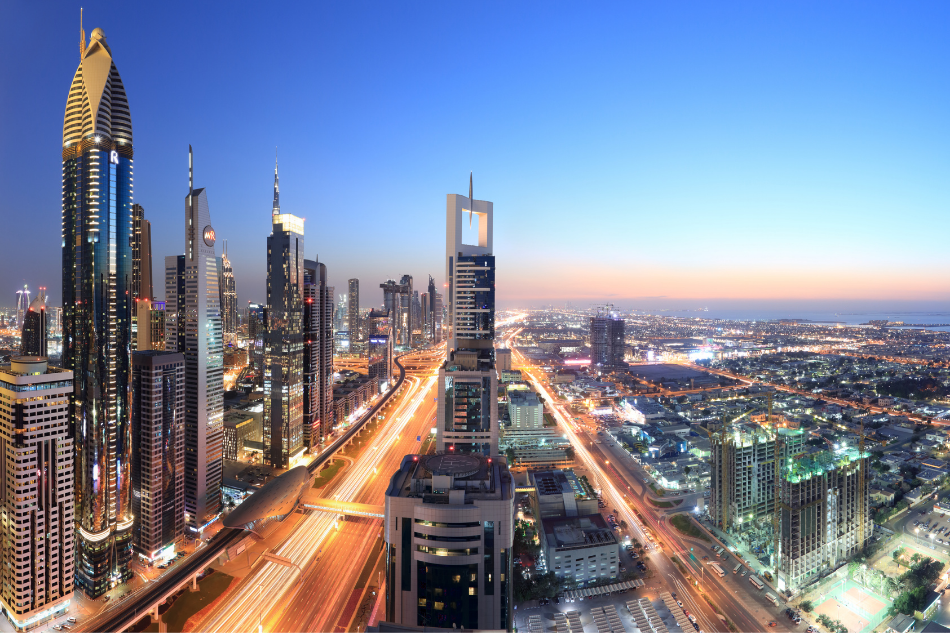
As the UAE strides toward its vision of becoming a global hub for innovation, sustainability, and economic leadership, 2025 will mark the implementation of several key regulatory changes and initiatives. These changes are aimed at fostering economic growth, enhancing inclusivity, and ensuring global compliance. Here’s an in-depth look at the developments that businesses and residents should prepare for in the new year:
Corporate Tax: Introduction of 15% Minimum Top-Up for Multinationals
From January 1, 2025, multinational corporations operating in the UAE with global revenues exceeding €750 million will be subject to a 15% minimum top-up tax. This move aligns the UAE with the OECD’s global tax framework, ensuring that corporations pay a minimum level of tax irrespective of local exemptions or incentives.
This step reinforces the UAE’s commitment to maintaining a transparent and fair tax environment while securing its status as a globally compliant jurisdiction. Multinationals will need to implement robust tax planning and compliance measures to meet these requirements.
Emiratisation: New Hiring Targets for Smaller Companies
As part of the UAE’s ongoing effort to integrate its nationals into the private sector workforce, companies with 20 to 49 employees will now be required to employ at least two Emirati citizens starting January 2025. This is an extension of the country’s Emiratisation drive, which has previously focused on larger firms.
This initiative is designed to create more employment opportunities for UAE nationals and reduce the country’s reliance on expatriate labor. Companies are advised to plan early by recruiting and training Emirati employees to meet these requirements while avoiding penalties.
Lower Licensing Fees in ADGM to Attract Business
Abu Dhabi Global Market (ADGM), the emirate’s financial free zone, will introduce lower licensing fees in 2025 to encourage more businesses, particularly financial institutions and startups, to establish operations there. The reduced fees aim to make ADGM a more attractive destination for innovation and global investment.
This initiative is part of Abu Dhabi’s broader vision to enhance its financial ecosystem, further positioning itself as a leading hub for fintech and financial services.
Free Trade Agreement with Australia (CEPA)
In 2025, the Comprehensive Economic Partnership Agreement (CEPA) between the UAE and Australia will come into effect. This agreement eliminates tariffs on over 99% of Australian exports to the UAE, fostering stronger trade relations and economic collaboration between the two nations.
This deal opens new opportunities for UAE-based businesses to access Australian products at lower costs, while Australian exporters benefit from streamlined access to the UAE market. Industries such as agriculture, automotive, and technology are expected to thrive under this agreement.
Mandatory Female Representation on Company Boards
Private joint-stock companies in the UAE must appoint at least one woman to their boards of directors from January 2025. This regulatory requirement is part of the UAE’s effort to promote gender diversity and align with global best practices in corporate governance.
By encouraging female leadership in boardrooms, this initiative seeks to foster inclusivity and innovation within organizations, driving better decision-making and enhancing overall business performance.
Mandatory Health Insurance for Employees in Northern Emirates
Starting January 2025, mandatory health insurance will extend to employees in Sharjah and the Northern Emirates, ensuring nationwide healthcare coverage. Employers in these regions will now be required to provide insurance plans for their staff, similar to requirements already in place in Abu Dhabi and Dubai.
This move aims to standardize healthcare access across the country, improving employee welfare and reducing disparities between regions.
Dynamic Parking and Toll Fees in Dubai
Dubai will introduce variable parking and Salik toll fees in 2025 to manage traffic congestion and optimize road usage. Parking rates will increase during peak hours, with premium spaces costing AED 6/hour, while Salik tolls will follow a similar dynamic pricing model, with AED 6 charged during peak times and AED 4 during off-peak hours. Late-night hours will remain toll-free.
These changes aim to encourage off-peak travel and improve traffic flow, providing businesses with the opportunity to optimize their logistics and transportation schedules.
Increased Sewerage Fees in Dubai
Dubai Municipality will phase in increased sewerage fees starting at 1.5 fils per gallon in 2025. The revenue generated will support infrastructure development and sustainability initiatives across the emirate.
Businesses and property owners should anticipate higher utility costs and consider implementing water conservation measures to mitigate the financial impact.
Nutri-Mark Food Labeling in Abu Dhabi
Abu Dhabi will require Nutri-Mark labels on specific food products starting mid-2025. This labelling system will grade food items from A (healthiest) to E (least healthy) to promote healthier consumer choices and combat lifestyle diseases.
Food manufacturers and distributors must ensure compliance with the labelling requirements, which will influence consumer preferences and foster greater transparency in the food industry.
Urban Mobility Revolution: Air Taxis in Dubai and Abu Dhabi
Electric vertical take-off and landing (eVTOL) aircraft will be launched in Dubai and Abu Dhabi in 2025, offering faster and more sustainable transportation options. These air taxis are designed to reduce congestion on the roads and revolutionize urban mobility.
This initiative represents a significant leap in the UAE’s commitment to adopting cutting-edge technologies and sustainable solutions. It offers businesses in the transport and tech sectors opportunities for collaboration and investment.
2025 will bring transformative changes to the UAE’s regulatory and economic landscape. These initiatives are designed to strengthen the country’s global standing, attract investment, and promote sustainability. Businesses are advised to prepare for these developments, ensuring compliance and leveraging the opportunities they present.
With its forward-thinking policies, the UAE continues to solidify its position as a leader in innovation, inclusivity, and economic growth.
