
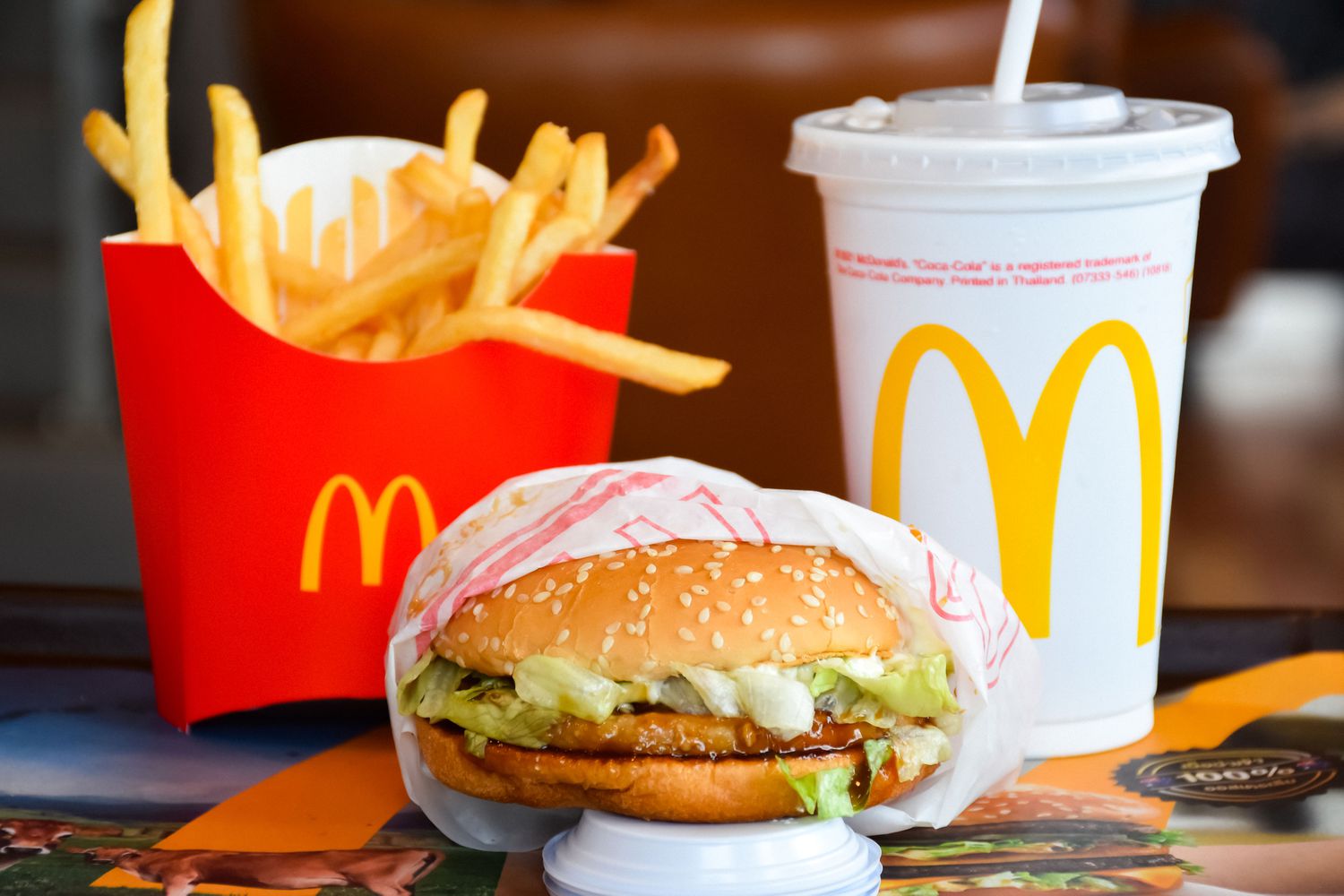
For the first time in over three years, McDonald’s (MCD.N) reported a surprising global sales decline on Monday, as price-sensitive consumers turned away from higher-priced menu items, such as the Big Mac.
Ongoing inflation has prompted lower-income consumers to opt for more affordable food options at home. This trend has led fast-food chains like McDonald’s, Burger King (QSR.TO), Wendy’s (WEN.O), and Taco Bell to focus on value meals to attract customers. Despite a 15% drop in McDonald’s shares this year, they rose nearly 4% after executives revealed that the $5 meal deal, launched in late June, exceeded sales expectations. The company is now working with franchisees to potentially extend the deal beyond August.
McDonald’s maintained its 2024 forecast for an operating margin in the mid-to-high 40% range and indicated it would be more selective with price increases to protect profitability. “Even though traffic is soft now, it should improve in the latter half of the year with better value on the menu,” said Brian Mulberry, client portfolio manager at Zacks Investment Management.
Global comparable sales fell by 1% in the second quarter, against expectations of a 0.5% increase. Overall revenue, however, rose by 1%.
CEO Chris Kempczinski noted an increase in deal-seeking behavior among consumers, who have become “very discriminating.” “Consumer sentiment in most of our major markets remains low,” he added. This sentiment aligns with comments from Coca-Cola CEO James Quincey last week, who observed “some softness in away-from-home channels” in North America, indicating fewer people are dining out.
Edward Jones analyst Brian Yarbrough highlighted that McDonald’s has been significantly impacted by a reduction in visits from low-income consumers, which has outweighed the usual trade-down effects seen in tough economic times. U.S. comparable sales decreased by 0.7% in the quarter ending June 30, compared to a 10.3% increase a year ago. International sales, which comprised nearly half of McDonald’s 2023 revenue, dropped by 1.1%, mainly due to weaknesses in France.
A slower-than-expected recovery in China and conflicts in the Middle East affected McDonald’s business segment, where restaurants are operated by local partners, resulting in a 1.3% sales decline compared to a 14% increase the previous year. Additionally, consumer boycotts related to the Gaza conflict have negatively impacted sales for companies like McDonald’s and Starbucks (SBUX.O) in Middle Eastern markets.
Despite these challenges, McDonald’s has adhered to its capital expenditure budget of up to $2.7 billion, with more than half allocated for new restaurants in the U.S. and international markets. The company reported adjusted earnings of $2.97 per share for the second quarter, missing expectations of $3.07.
