
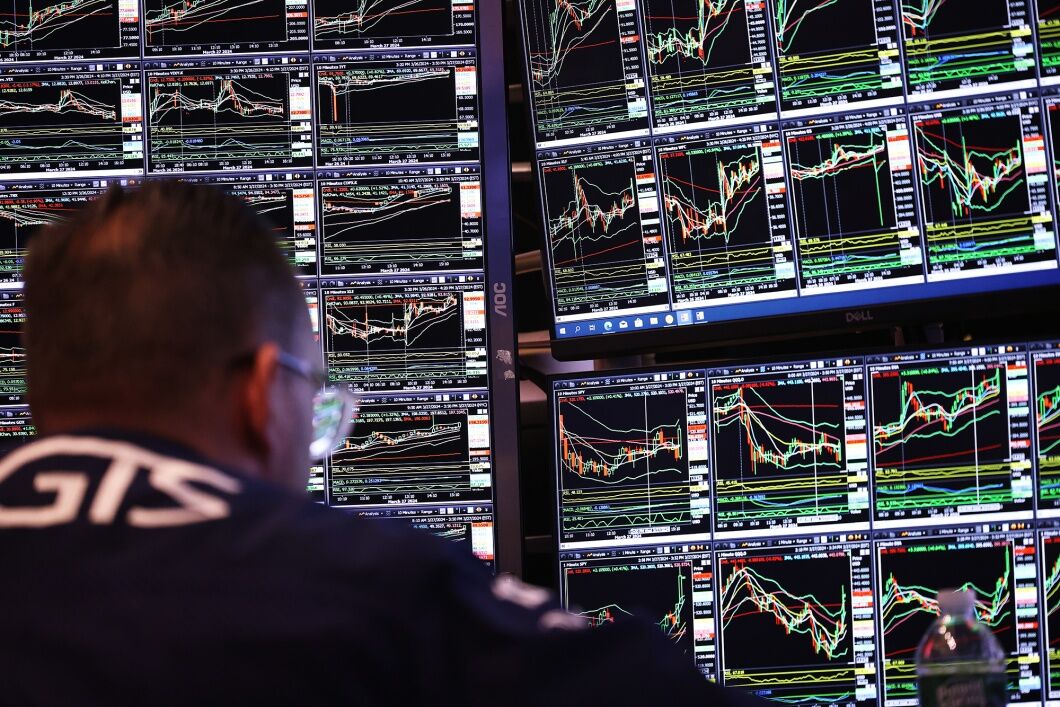
Several traders were astonished on Monday as Class A shares of Warren Buffett’s Berkshire Hathaway, typically trading at around $620,000 and one of the priciest stocks globally, dropped significantly below the company’s Class B share price of $410.
Shortly after the opening bell on Monday, these shares were suddenly available at a discount of over 99 percent, priced at just $185.
The New York Stock Exchange (NYSE) did not disclose the number of shares bought during this period, but confirmed it was among around 40 companies affected by a technical malfunction. This issue was resolved, and all trades were cancelled. Trading in the affected stocks had to be paused for a few minutes.
In an update late on Monday night, the NYSE stated it would cancel all “erroneous” trades of Berkshire Hathaway stock at or below $603,718.30 a share. It is standard practice for stock exchanges to annul trades that are evidently incorrect.
Berkshire’s B-class shares remained unaffected during the glitch, which lasted for nearly two hours.
Besides Berkshire’s Class-A shares, trading was also halted for companies such as restaurant chain Chipotle Mexican Grill, pharmaceutical giants Abbott Laboratories, mining company Barrick Gold, GameStop, and movie theatre chain AMC.
NuScale Power, which closed at $6.98 on Tuesday, experienced a similar issue, with trades occurring at about 99 percent below the prior price.
In a statement, the NYSE said: “A technical issue involving industry-wide price bands published by the Consolidated Tape Association’s Securities Information Processor triggered ‘limit-up/limit-down’ trading halts on up to 40 symbols listed on NYSE Group exchanges. Shortly before noon, the issue was resolved and trading in the impacted stocks resumed. The NYSE is reviewing potentially impacted trades.”
The Consolidated Tape Association (CTA) provides real-time data about quotes and trades on the exchange. The CTA manages part of the Securities Information Processor (SIP), which consolidates all protected bid/ask quotes and trades into a single data stream.
The CTA mentioned it encountered problems with price banding, which “may have been related to a new software release” on SIP. Consequently, the CTA reverted to the previous version of the software.
