
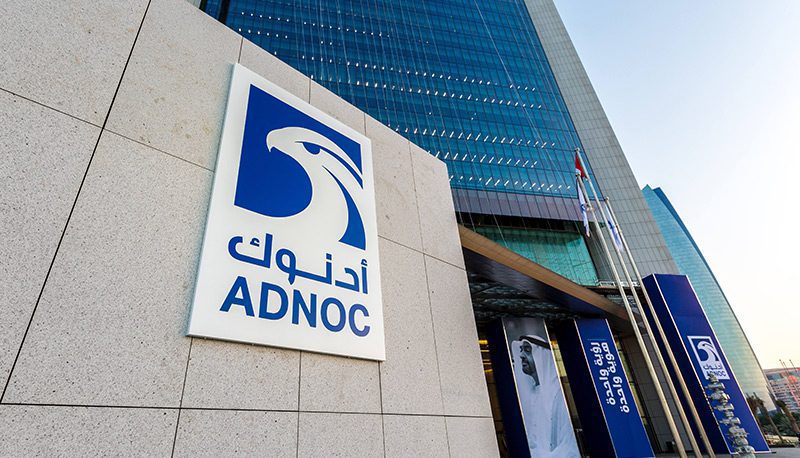
ADNOC and the National Central Cooling Company (Tabreed) have unveiled a significant development in their geothermal energy endeavours, as stated today. This initiative marks the Gulf region’s pioneering utilization of geothermal energy in its ventures.
Both firms have confirmed the successful testing of two wells situated in Abu Dhabi’s Masdar City. These wells have demonstrated the ability to yield hot water exceeding 90 degrees Celsius (°C) and a flow rate of roughly 100 litres per second (l/s), according to the statement.
The heat extracted from the wells’ hot water will be directed through an absorption cooling mechanism to generate chilled water. This chilled water will then be integrated into Tabreed’s district cooling network at Masdar City, catering to 10% of its cooling requirements.
Musabbeh Al Kaabi, ADNOC executive director for Low Carbon Solutions and International Growth, said, “Across ADNOC, we are developing and deploying innovative climate technologies and low carbon solutions to deliver on our accelerated decarbonisation plan and net zero by 2045 ambition.”
He added, “Geothermal heat is a clean and renewable source of energy abundantly available in the UAE and capable of providing baseload electricity. However, until now, it has remained an untapped source of energy. By leveraging technological advances, for the first time ADNOC and Tabreed have unlocked this clean energy source to decarbonise one of the most energy-intensive sectors in the country.”
The geothermal initiative aims to reduce carbon emissions from building cooling in Masdar City, to diversify the UAE’s energy sources and support the UAE National Energy Strategy 2050.
Collaborative Efforts and Future Prospects
The transition to cleaner energy aims to increase renewable energy capacity to 14 GW by 2030.
Funding for the project comes from ADNOC’s initial $15B allocation for low-carbon solutions, aligning with its decarbonization plan, according to Gulf Business.
Currently, building cooling attributes for the main portion of the UAE’s electricity consumption. District cooling presents an eco-friendly alternative to conventional methods, boasting around 50% higher energy efficiency during regular operations.
By utilizing geothermal heat for district cooling, there is potential to significantly decrease the electricity demand for cooling, leading to a reduction in carbon emissions from one of the most energy-intensive sectors in the region, as stated by ADNOC.
Khalid Al Marzooqi, CEO, of Tabreed, said, “The integration of geothermal energy with district cooling operations represents a significant advancement in the UAE’s journey towards diversifying its energy mix and achieving net zero by 2050. We are proud of our collaboration with ADNOC to accelerate our decarbonization efforts in the leadup to COP28, which also underscores our commitment to exploring the latest technologies and harnessing the power of renewables to meet the rising demand for sustainable cooling.”
ADNOC is at the forefront of advancing geothermal energy in the UAE, aiming to create a source of eco-friendly continuous energy for producing electricity.
Expanding upon the project’s achievements, ADNOC is collaborating with multiple firms to optimize the utilization of geothermal energy in the UAE through cutting-edge drilling and power generation techniques.
