
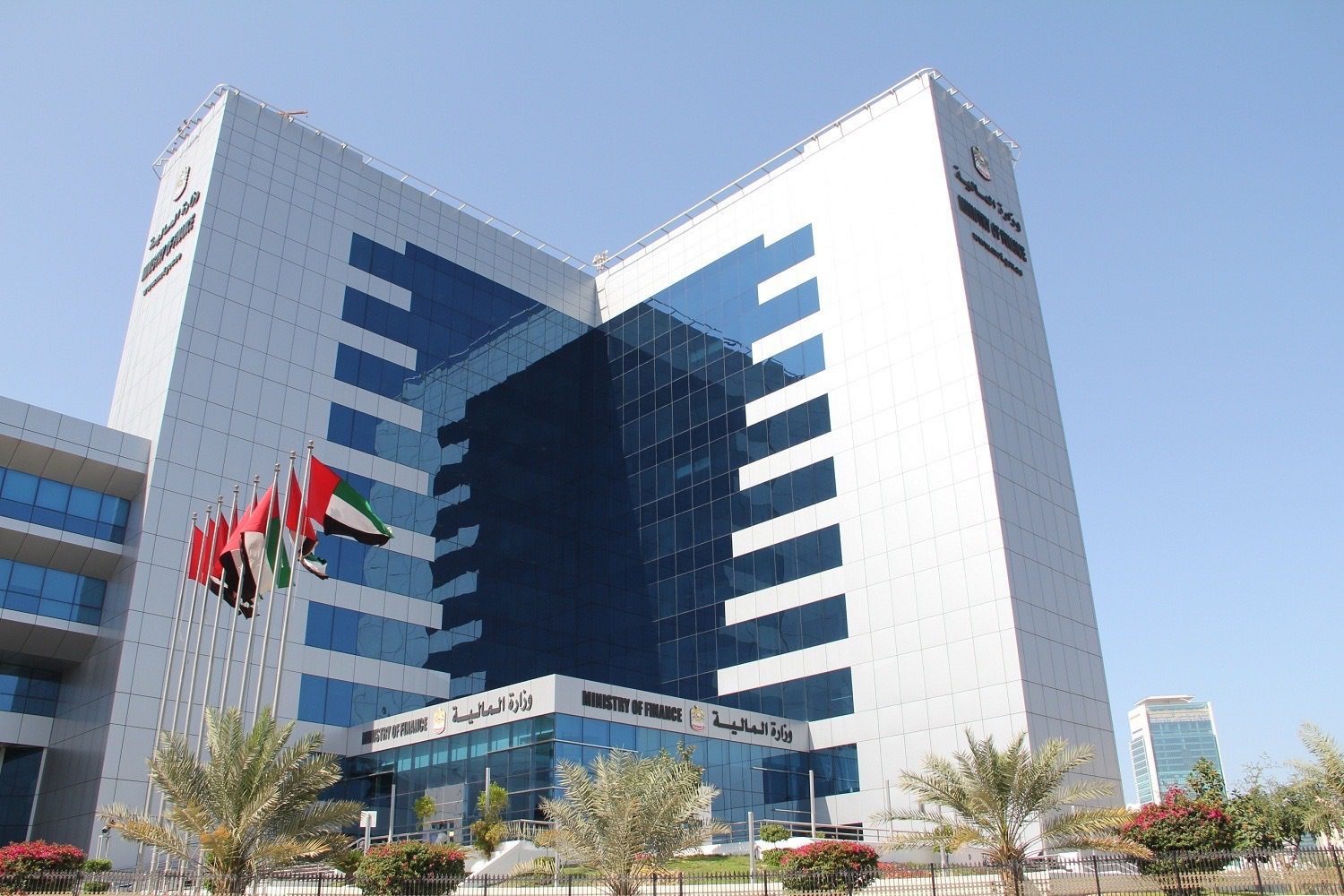
His Highness Sheikh Maktoum bin Mohammed bin Rashid Al Maktoum, the Deputy Ruler of Dubai, Deputy Prime Minister, and Minister of Finance, has introduced the Ministry of Finance’s Strategic Plan for the period 2023-2026.
The plan’s objective is to enhance government efficiency by promoting financial empowerment, sustainability, innovation, and forward-looking approaches to financial leadership and sustainable development.
This four-year strategic plan is in line with the goals of the UAE Centennial Plan 2071, according to Gulf Business.
Sheikh Maktoum said: “We will develop and implement sustainable financial policies to promote economic growth, create a competitive business environment, strengthen international economic relations and build trust and transparency.”
“The ministry will pursue excellence in federal government work. In a fast-changing world, we will ensure our economy is resilient and agile, ensuring long-term national goals are met. From human capital and legislative structures to the local business environment, financial policies, international relations and global partnerships, our plan sets out realistic medium-term goals. It will also empower government enablers to drive implementation of our strategic initiatives.”
“We will prioritise attracting and empowering talent, providing efficient institutional services and AI-enabled digital infrastructure, applying best practices in human resources, leadership, quality standards, institutional excellence, and performance measurement. We will also encourage innovative practices based on flexibility, proactivity, and readiness to consolidate the best practices in institutional innovation and change management.”
Three Main Objectives
Minister of State for Financial Affairs, Mohamed Hadi Al Hussaini, stressed the ministry’s crucial role in resource allocation to support policymaking and efficient planning as part of the strategic plan.
The strategic plan of the ministry incorporates six core values, promoting teamwork, leadership, integrity, transparency, agility in financial work management, and ensuring a high level of well-being and equality in the work environment.
The Strategic Plan 2023-2026 comprises three main objectives: enabling financial performance excellence, ensuring fiscal sustainability for an inclusive future, and strengthening national financial resilience.
The plan further outlines four main goals with periodic tasks, including developing a sustainable fiscal policy, fostering strong economic growth and a competitive business environment, promoting international economic and financial cooperation, and enhancing trust and transparency.
Additionally, the strategic plan emphasizes government enablers, such as attracting and enabling talents, providing effective institutional services, and focusing on digital structures.
Contributing to National Development
The plan also highlights the importance of promoting innovation practices based on agility, preemption, and readiness in the workplace. This involves consolidating best practices in innovation and change management.
To achieve these goals, we have identified ten periodic tasks, including efficient financial resource management, implementing best human resources practices, setting quality standards and institutional excellence, ensuring effective communication, and measuring performance.
The strategic plan aims to enhance the ministry’s capabilities through initiatives like financial leaders and future skills development, attracting and retaining talents, and creating an artificial intelligence framework.
The plan is designed to support the UAE Centennial Plan 2071, aligning its objectives with the country’s long-term vision.
Overall, the strategic plan seeks to empower the ministry to play a significant role in enhancing government performance through financial empowerment, sustainability, innovation, and future foresight, ultimately contributing to the nation’s development and prosperity.
