
The Global Bank warned on Thursday that the world may be on the verge of a worldwide recession if central banks raise interest rates concurrently to fight persistent inflation.
The world’s three largest economies – the United States, China, and the euro area – have been slowing sharply, and even a “moderate hit to the global economy over the next year could tip it into recession,” the bank said in a new study.
It said the global economy was now in its steepest slowdown following a post-recession recovery since 1970, and consumer confidence had already dropped more sharply than in the run-up to previous global recessions.
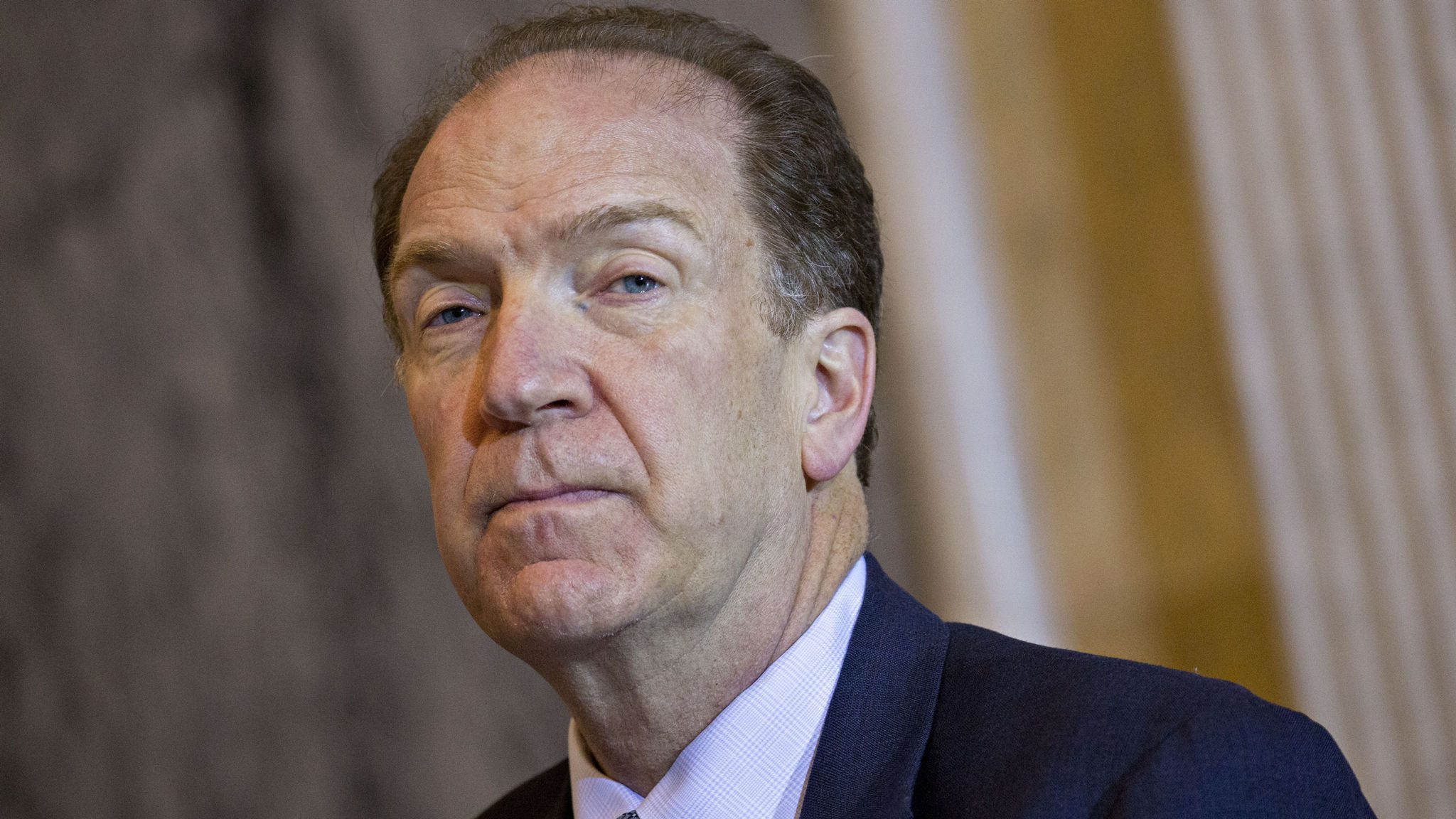
“Global growth is slowing sharply, with further slowing likely as more countries fall into recession,” World Bank President David Malpass said, adding his worry that these trends would persist, with devastating consequences for emerging market and developing economies.
Synchronized interest rate hikes underway globally and related policy actions were likely to continue well into next year, but might not be sufficient to bring inflation back down to levels seen before the COVID-19 pandemic, the bank said.
Unless supply disruptions and labor-market pressures subsided, the global core inflation rate, excluding energy, could stay at about 5% in 2023, nearly double the five-year average before the pandemic.
Malpass said policymakers should shift their focus from reducing consumption to boosting production, including efforts to generate additional investment and productivity gains.
Previous recessions showed the risk of allowing inflation to stay elevated for long while growth is weak, the bank said, noting that the 1982 recession triggered more than 40 debt crises and ushered in a decade of lost growth in many developing economies.
According to the report, by expressing their policy decisions clearly, central banks can fight inflation without causing a global recession, and governments should implement reliable medium-term fiscal plans and keep providing targeted aid to disadvantaged households.
