
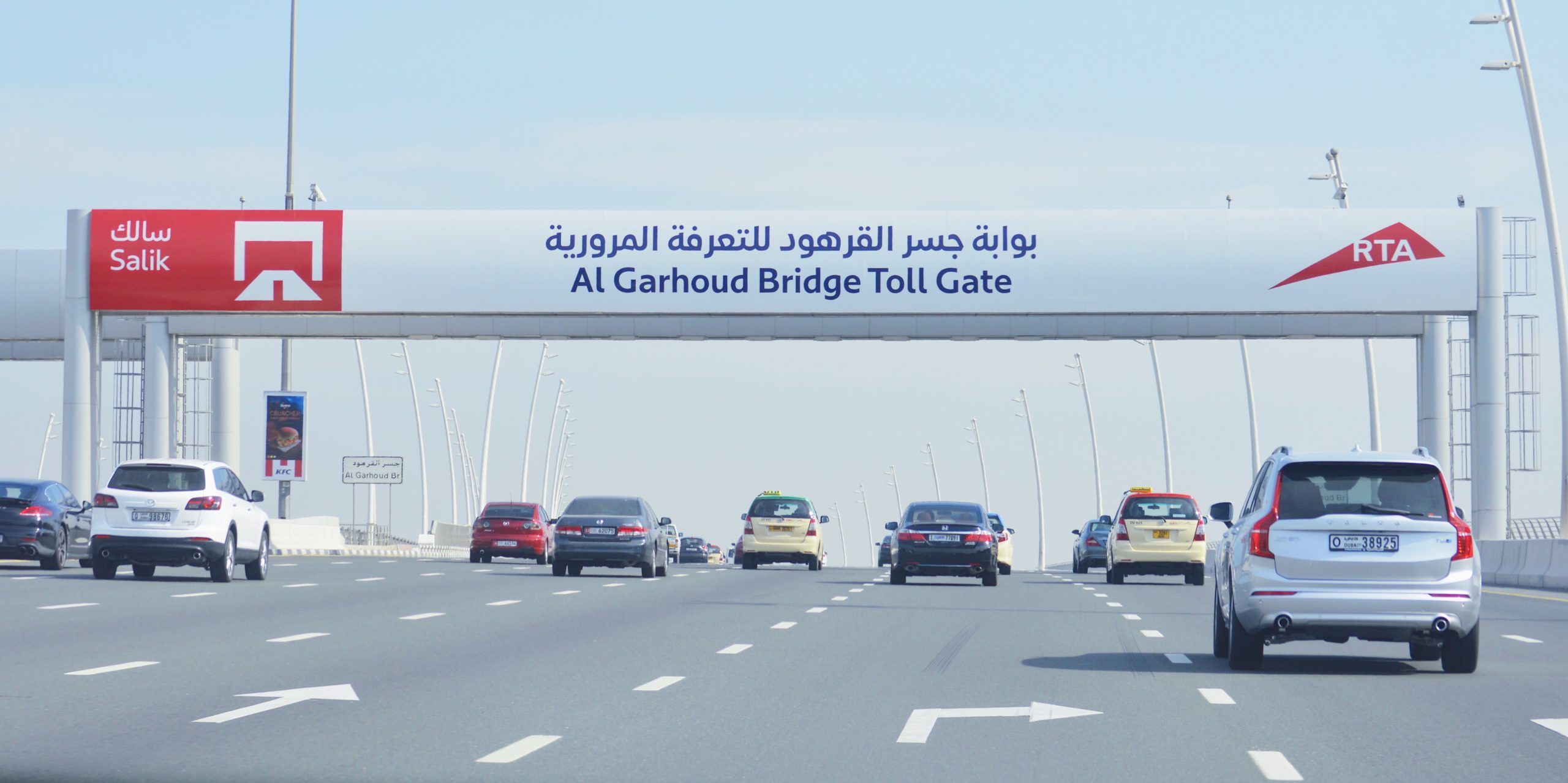
Salik’s eight toll gates in Dubai are how it makes money, but as the city grows and more traffic flows through it, there is room for more. Additionally, Salik may think about increasing the Dh4 toll fees that are currently applied to each toll-gate crossing.
Such a rate increase could be considered to ‘offset inflation’. But this will require the approval from The Executive Council. If the suggested tariff increase is not approved, then Salik can reduce the payments made to the RTA as part of the annual concession fee agreement to operate toll gates in Dubai. (The concession agreement is valid until 2071, as per an announcement regarding the company’s ambitious IPO plans.)
The concession fee is ‘capped at 25 per cent of toll revenues and cannot be reduced from the floor of 15 per cent of toll revenues for any given year’.
Plus, Salik also has ‘pre-agreed valuation and earn-out’ rights on all new toll gates to be set up in Dubai.
In the future, Salik could also be looking at widening its revenue base through ‘dynamic pricing’. This essentially means different rates depending on usage and the time of the day. Salik says that this could take the form of higher toll fee for ‘specific lanes or during peak hours’.
“A whole network approach would allow for a dynamic system tailored to reduce congestion in specific areas and times in Dubai,” Salik said in the announcement. Another way to monetise such data would be to partner local businesses to provide customers with offers linked to which toll gate they pass through every day.
“The company has the potential to communicate with clients through its app, and data like mobile trip transaction details, and vehicle details might be monetized,” the company claimed. “Fleet and car firms can use Salik trip details for simpler customer billing and fleet management thanks to application programming interfaces (API) for them.”
