
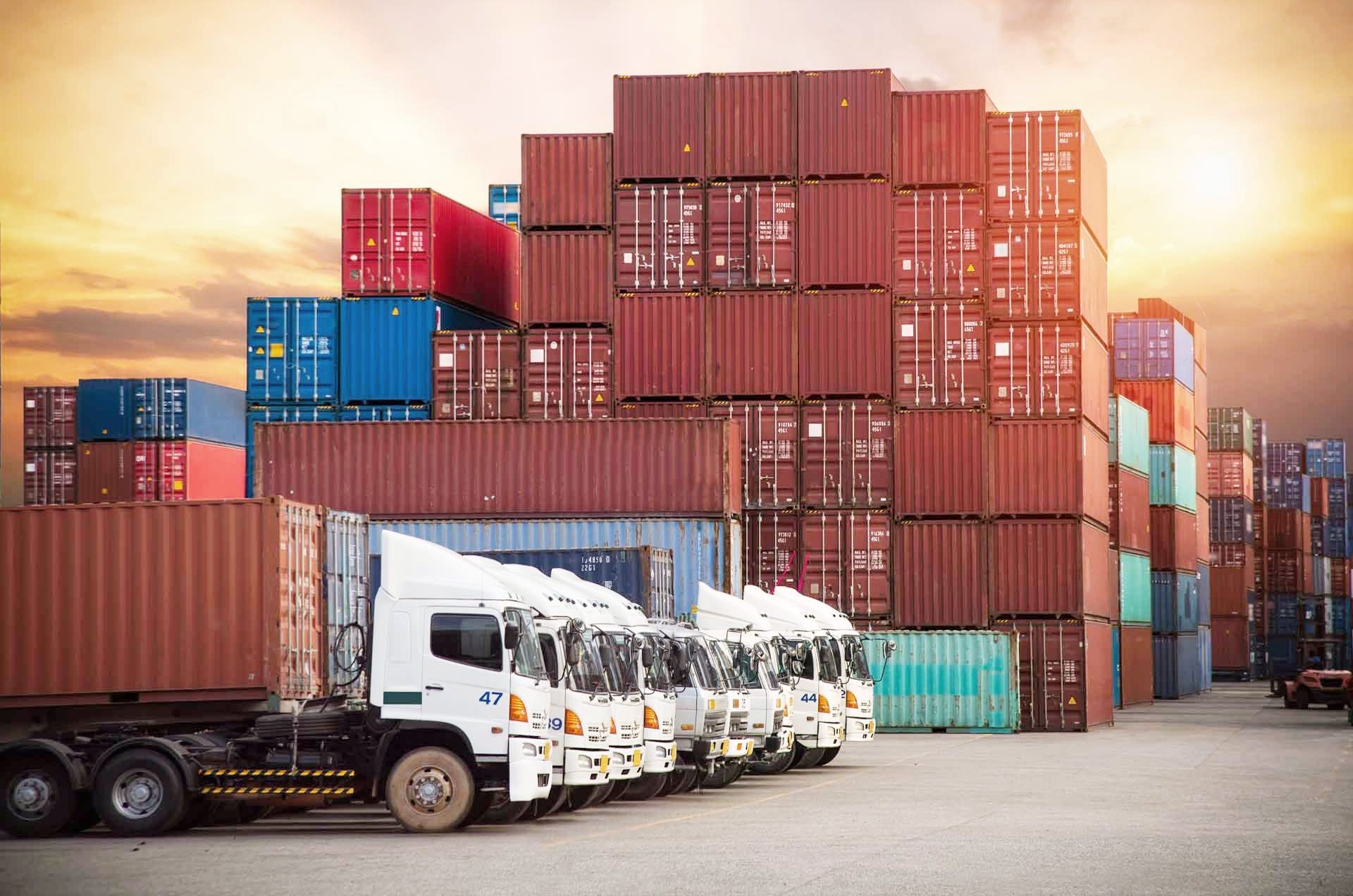
In Abu Dhabi, non-oil trade increased by 12% to reach AED 124 billion (US$33.7 billion) in the first half of 2022 as the UAE economy continues to recover from the COVID-19 pandemic.
Total exports in the six months to the end of June climbed 26 percent to Dh49.5bn, while imports and re-exports increased 4 percent and 6 percent to Dh51.5bn and Dh23bn, respectively, Abu Dhabi Media Office tweeted on Friday, citing data from the emirate’s customs department.
Trading of precious metals and gemstones during the period rose 40 percent to Dh17.2bn, while broadcasting equipment trading increased 23 percent to Dh17.9bn.
Normal metals trading, meanwhile, grew 22 percent to Dh24.5bn, the data indicated.
Saudi Arabia was Abu Dhabi’s biggest trading partner in the first half, with total trade values reaching Dh28.6bn, up 3 percent compared with the same period last year, state news agency Wam reported.
It was followed by Switzerland at Dh9.5bn (up 260 percent), the US at Dh9.3bn (up 21 percent), and China, the world’s second-largest economy at Dh5.95bn (up 9 percent). The total trade with Kuwait jumped 13 percent annually to Dh5.8bn.
Abu Dhabi Customs has developed an effective customs work system through the land, sea, and airports to facilitate inspections and complete transactions “in an expedited and proper manner”, said Rashed Al Mansoori, director general of the general administration of customs at Abu Dhabi Customs.
“This has led to a positive effect on co-operation with strategic partners concerning the increase of the value of commercial exchanges and their growth during the first half of this year compared to the same period in 2021.”
Digital transformation and new technology such as artificial intelligence have also enhanced the efficiency of the customs sector, which will further boost Abu Dhabi’s stature as a global capital of trade, Mr. Al Mansoori said.
The latest data comes as the UAE’s economy rebounds strongly from the pandemic-induced slowdown on the back of government measures and higher oil prices.
The Arab world’s second-largest economy, which expanded by 3.8 percent in 2021, is forecast to grow by 5.4 percent and 4.2 percent in 2022 and 2023, respectively, the latest projections from the country’s central bank showed. The UAE economy grew by 8.2 percent in the first three months of this year.
Abu Dhabi’s non-oil economy grew an annual 4.1 percent last year, driven by several stimulus initiatives for business and household sectors, figures compiled by Statistics Centre — Abu Dhabi (SCAD) showed.
The emirate’s non-oil foreign trade also jumped an annual 15 percent to more than Dh61.5bn in the first quarter of 2022.
Abu Dhabi is diversifying its economy with a focus on the non-oil sector and recently unveiled a new industrial strategy that aims to more than double the size of the emirate’s manufacturing sector to Dh172bn by 2031.
The new strategy will also focus on boosting Abu Dhabi’s trade with international markets, to increase the emirate’s non-oil exports by 143 percent to Dh178.8bn by 2031, the Abu Dhabi Government Media Office said at the time.
The UAE is also signing new trade deals to support the economy and boost investments.
This year, UAE signed comprehensive economic partnership agreements with India, Israel, and Indonesia, and is negotiating similar agreements with other countries.
