
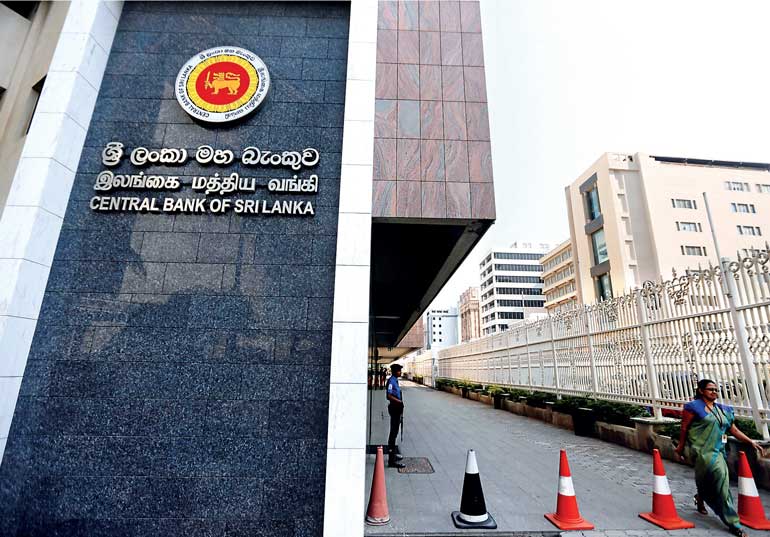
In an effort to slow the pace of Asia’s fastest inflation, Sri Lanka’s central bank increased borrowing charges.
The Central Bank of Sri Lanka increased its benchmark standing lending facility rate by 100 basis points to 15.5 percent on Thursday.
Six out of seven economists in a Bloomberg survey expected an increase ranging from 50 bps to 300 bps, while one expected a hold.
“The board was of the view that a further monetary policy tightening would be necessary to contain any build-up of adverse inflation expectations,” the central bank said.
Prices continued their record rise in June, driven by persistent shortages due to fast depleting foreign exchange reserves.
Prime Minister Ranil Wickremesinghe told parliament on Tuesday that the inflation rate would hit 60 percent in the coming months amid rising commodity prices and a declining currency.
Before Thursday’s decision, the country’s central bank had raised interest rates by 850 bps since the beginning of the year, even as its economy contracted in the first quarter, marking the beginning of a painful and long recession for the country.
Economic activity has also come to a grinding halt as the bankrupt nation asked residents to stay home until July 10 to conserve fuel.
“Domestic economic activity during the second quarter of 2022 is expected to have been severely affected by the continued supply-side disruptions, primarily due to the shortages of power and energy,” the central bank said.
The country’s foreign currency stockpile held steady at an estimated $1.9 billion at the end of June, including $1.5bn worth of Chinese currency which is subject to conditions on how it can be used, it said.
