
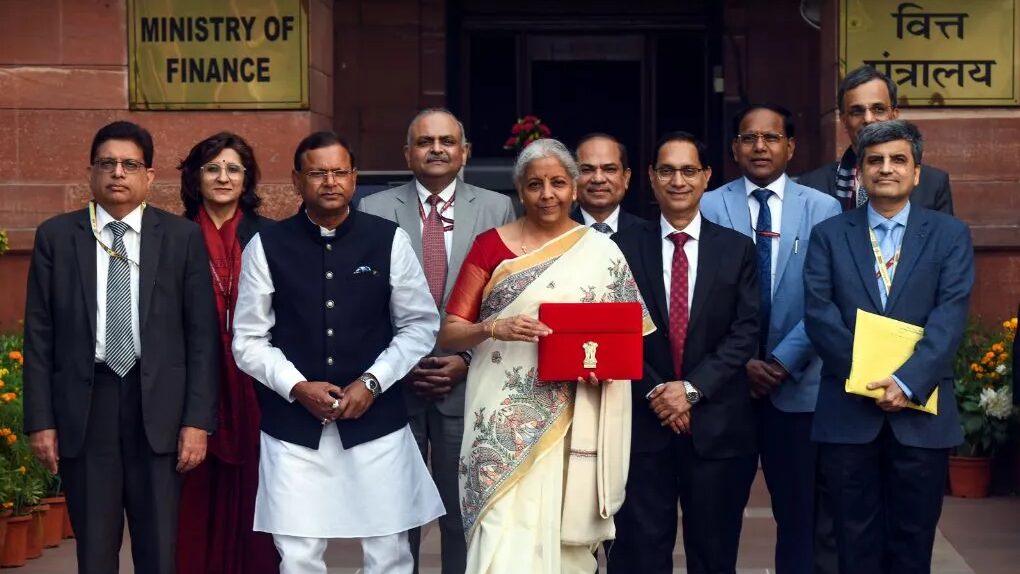
With India’s Union Budget 2026–27 scheduled for February 1, UAE-based business owners, investors, and NRI entrepreneurs are closely monitoring the policy measures that could shape capital flows, operational costs, and expansion strategies tied to India.
For many NRIs running cross-border businesses, the focus is less on headline announcements and more on the “fine print” affecting compliance, liquidity, sector incentives, and long-term planning. Feedback from UAE-based investors and sector professionals highlights 12 areas of particular interest:
1. Faster Tech Adoption for MSMEs Beyond Metros
Businesses expect structured technology adoption across MSMEs in Tier-2 and Tier-3 cities. This could strengthen supplier networks, improve digital integration, and enable faster scaling outside high-cost metro markets.
2. Creation of Digital Economy Zones in Smaller Cities
Dedicated digital economy zones aim to build regional growth hubs, offering lower-cost locations for NRI-led ventures, tech parks, and service operations while mitigating concentration risk in saturated urban centres.
3. National Scheme to Scale Startups Outside Tier-1 Cities
A targeted programme to boost startups in smaller cities could widen the pipeline of investable companies, creating jobs and diversifying deal flow geographically.
4. Expansion of PLI Incentives into AI, Space, Robotics
Expectations that the Production-Linked Incentive (PLI) scheme may cover advanced technologies could lower entry barriers and support manufacturing or R&D collaborations for global clients.
5. Higher Public Spending on Future-Tech Infrastructure
Increased government investment in AI and advanced digital infrastructure matters for overseas founders relying on deep-tech ecosystems, specialised talent, and long-term policy backing.
6. Customs Dispute Resolution and Tariff Rationalisation
Proposed reforms, including one-time customs dispute settlements and tariff clean-up, would directly impact trading businesses, regional distribution hubs, and cross-border supply chains managed from the Gulf.
7. Predictability During New Income Tax Guideline Rollout
Expectations of stable rates and smooth transitions under the new tax framework are critical for NRIs managing multi-country structures, dividend flows, and compliance obligations.
8. Higher Standard Deduction for Salaried Taxpayers
Lifting the standard deduction could benefit UAE residents earning India-sourced salary, board remuneration, or professional income, easing personal tax liabilities.
9. Extended Timelines for Filing Belated and Revised Returns
Longer filing windows would reduce compliance risks for overseas business owners managing multi-jurisdictional income reporting.
10. Housing Loan Interest Relief Under the New Regime
Proposals for home-loan interest deductions are particularly relevant for UAE investors with residential portfolios in India, helping manage repayments, rental income, and repatriation.
11. Faster GST Refunds and Liquidity Support
Quicker GST refunds would improve cash-flow predictability for exporters, manufacturers, and service providers, directly affecting hiring and expansion plans.
12. Stronger Credit Guarantees and Risk-Sharing Frameworks
Enhanced domestic liquidity and credit-guarantee structures are vital for financing MSMEs, consumer businesses, and startups, influencing deal viability and growth speed.
