
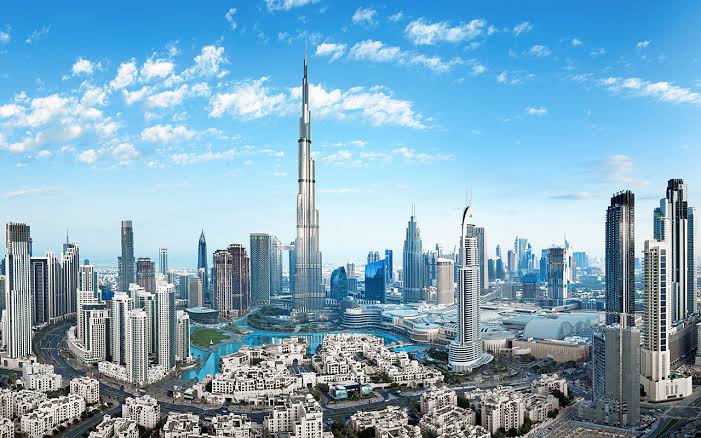
Despite widespread headlines warning of a property market crash, Dubai’s real estate sector in 2026 is demonstrating remarkable resilience. Far from a collapse, the market is experiencing a measured correction, a natural adjustment following years of rapid growth. Current trends indicate that the market is growing strongly, increasingly promising, and becoming more robust, offering opportunities for strategic investors who understand its dynamics.
Dubai’s property market is driven by sustained demand, structural fundamentals, and an expanding resident base. While supply is increasing, particularly in off-plan developments, the market continues to absorb new stock efficiently. The city is not only holding steady but also strengthening, reflecting both investor confidence and long-term potential.
Robust Market Activity
The strength of Dubai’s market is evident in transaction volumes. In the second quarter of 2025, Dubai recorded over 53,000 property transactions, a 22 per cent increase year on year, totalling 184.3 billion dirhams, the highest quarterly value ever recorded. Far from showing signs of slowdown, market activity continues to accelerate, demonstrating that investor appetite remains robust and the market continues to grow in both scale and value.
At the same time, supply is expanding rapidly, with up to 210,000 units projected for delivery between 2025 and 2026. This represents the largest construction cycle the city has seen in over a decade. While such figures have raised concerns about oversupply, only 44,000 units are expected to be completed in 2025, reflecting a market capable of absorbing additional inventory without destabilisation. Oversupply in certain segments does not inherently indicate a market crash, and moderate increases in supply can contribute to healthier pricing and improved options for buyers.
Segments Likely to Adjust
Certain areas are more likely to experience price adjustments than others. Off-plan developments, particularly in neighbourhoods such as Jumeirah Village Circle, have shown slower resale demand and weaker rental absorption. These clusters are characterised by small, repetitive unit layouts and are often located away from fully developed infrastructure, including schools, retail, and transport links.
Ultra-luxury and branded residences are also moderating. Following rapid speculative growth, these segments face longer market durations and slower absorption rates. Many newly launched off-plan units are priced above comparable ready apartments, creating a temporary disconnect between market expectations and reality. A measured correction in these segments is expected and would be beneficial for the long-term health of the market.
Strategic Investment Opportunities
Despite pockets of adjustment, Dubai continues to offer significant opportunities for investors. Ready apartments in established communities such as Dubai Marina, Jumeirah Lake Towers, Downtown Dubai, and Business Bay continue to enjoy strong rental demand and mature infrastructure. Investors benefit from predictable cash flows and stability, making these neighbourhoods attractive for long-term investment.
Villas and townhouses also continue to see high demand that outpaces supply, supporting price stability. Off-plan projects that are reasonably priced relative to completed stock remain appealing, while overpriced developments are expected to normalise, creating potential entry points. Mid-income residential communities demonstrate consistent rental absorption, offering reliable income streams for investors seeking cash flow and long-term stability. These segments, which are often overlooked during speculative booms, now offer predictable returns in a market that is growing stronger and more mature.
Structural and Demographic Strength
Dubai’s market today is fundamentally different from 2009. Regulatory oversight, including mandatory escrow accounts, construction-linked payment schedules, and strict developer financing requirements, has increased transparency and discipline across the market. Buyers now primarily consist of long-term residents, families, salaried expatriates, and global entrepreneurs relocating to the city, rather than speculative investors. This ensures that demand is structurally sound, less volatile, and capable of supporting new supply.
Population growth further underlines the market’s strength. As Dubai continues to attract residents at an unprecedented pace, the absorption of additional supply is maintained, ensuring that rental yields and occupancy rates remain stable. Unlike earlier market cycles, current demand is driven by sustainable end-users rather than short-term speculation, providing a firm foundation for growth even amid moderate corrections.
Market Outlook
• Mild Correction (Most Likely) – Select clusters may see 5–15% price adjustments, off-plan premiums compress, while rental yields remain stable.
• Stabilisation Across Key Segments (Medium-High Probability) – Ready stock, family-oriented communities, and mid-range apartments stabilise, maintaining balance.
• Sustained Strength in Villas and Townhouses (High Certainty) – Limited supply and high user demand ensure resilience.
• Full Market Crash (Lowest Probability) – Current fundamentals offer no support for a widespread collapse.
Conclusion
Dubai’s real estate market in 2026 is growing stronger, demonstrating resilience and offering promising opportunities for investors. The moderate correction underway signals a market that is maturing and strengthening rather than collapsing. Understanding market cycles, distinguishing between temporary adjustments and structural risks, and focusing on high-potential segments are key to capitalising on one of the world’s most dynamic property markets. Far from a warning, the current environment provides a clear pathway for disciplined and strategic investment.
