
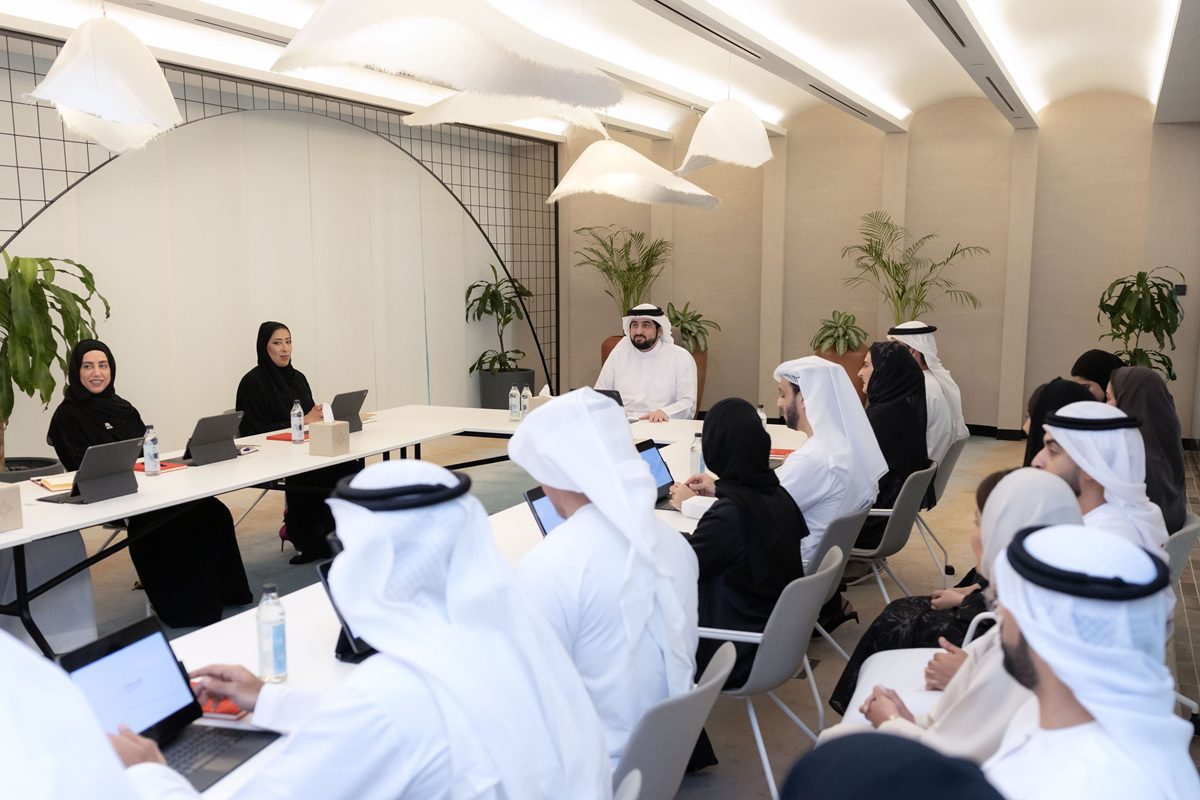
Dubai has announced plans to increase the media sector’s contribution to the emirate’s GDP from 1.4% to 3% by 2033. The update followed a meeting chaired by Sheikh Ahmed bin Mohammed bin Rashid Al Maktoum, Second Deputy Ruler of Dubai and Chairman of the Dubai Media Council, where key performance metrics, sector initiatives and digital transformation priorities were reviewed. The review forms part of Dubai’s broader agenda to align its media ecosystem with the overarching development vision set out by Sheikh Mohammed bin Rashid Al Maktoum.
Sheikh Ahmed highlighted the substantial potential for Dubai’s media industry to enhance its economic impact, emphasising the need for strong public-private collaboration and clear regulatory frameworks. He reaffirmed the government’s commitment to creating an enabling environment that supports innovation, sector expansion and alignment with Dubai Economic Agenda D33. He also underlined the urgency of accelerating digital transformation across the media landscape, noting the sector’s role in enhancing public awareness, supporting future plans and strengthening Dubai’s global influence. Staying abreast of global technological shifts, he said, requires advanced tools, flexible strategies and platforms capable of engaging audiences locally and internationally.
During the meeting, Sheikh Ahmed assessed key indicators that will guide the sector through 2033. These include raising the sector’s GDP share, increasing media exports, attracting more foreign investment, forming film and gaming committees and expanding the global reach of Dubai’s strategic communications. Additional focus areas include strengthening domestic content creation, supporting private media organisations, enhancing incentives for talent and increasing the reach of Government of Dubai Media Office content regionally and worldwide.
Mona Al Marri, Vice Chairperson and Managing Director of the Dubai Media Council, noted that the transfer of regulatory oversight to the Council under Law No. 29 of 2024 has already produced strong results. The expanded mandate enables the Council to implement media development strategies effectively and in line with international standards, reinforcing Dubai’s position as a centre of media innovation and talent. She added that the Council’s responsibility for issuing licences and permits, while ensuring alignment with Emirati cultural values, provides the clarity required to drive competitiveness and encourage innovation.
Nehal Badri, Secretary General of the Dubai Media Council, explained that the Council strengthened its global expertise in 2025 by partnering with international academic institutions to establish forward-looking media policies and nurture developing talent. She highlighted the introduction of the first Dubai Film and Games Forum under the Arab Media Summit 2025 and the formation of the Dubai Film Development Committee and the Dubai Gaming Committee. Talent programmes included the Media Leadership Programme, the Media Knowledge Exchange Programme and the Emirati Media Talent Pledge, supported by wider training collaborations with media entities across the region and beyond.
